Recent Arrest and Espionage-Linked Death Raise Security Concerns at India's Eastern Border
Synopsis
Recent events involving the arrest of a military trainer in India and a mysterious death in Bangladesh raise critical questions about regional security and intelligence vulnerabilities. Explore how these incidents reflect the complex landscape of foreign operations in South Asia.
Key Takeaways
Recent incidents highlight vulnerabilities in national security along India's eastern border.
Foreign operatives are using South Asian nations for military training and espionage.
Investigations are ongoing into the circumstances surrounding these events.
Implications for regional security are significant, necessitating a strategic response.
Cooperation between India and Bangladesh is essential for addressing these challenges.
New Delhi, March 18 (NationPress) The recent detention of an alleged military warfare instructor in India and the previous year’s espionage-related demise in Bangladesh underscore significant vulnerabilities and competing intelligence interests in the region, despite being distinct occurrences, linked merely by the shared nationality of the individuals involved.
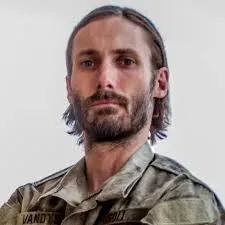
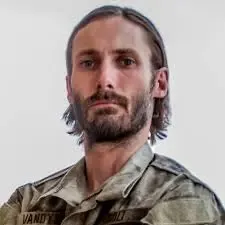
On March 13, India’s National Investigation Agency (NIA) apprehended Matthew Aaron VanDyke, a U.S. citizen, along with six Ukrainian nationals at airports in Kolkata, Delhi, and Lucknow.
This incident sheds light on the intricate interplay of insurgency, advanced technology, and cross-border networks. VanDyke rose to prominence during the Libyan Civil War in 2011, when he fought alongside rebels and was later imprisoned. He subsequently established Sons of Liberty International (SOLI), a group reportedly offering military training and strategic counsel to armed factions in conflict zones globally.
In a related vein, the sudden and enigmatic death of Terrence Arvelle Jackson, an officer with the U.S. Army’s elite 1st Special Forces Command (Airborne), in a luxury hotel in Dhaka on August 31 last year spurred a flurry of speculative narratives.
“While authorities in Bangladesh initially attributed his death to natural causes, the secrecy surrounding the handling of his body, the confiscation of personal effects by U.S. Embassy officials, and his covert activities within the country imply a more profound and concerning story,” stated a Weekly Blitz report in September.
Coincidentally, Prime Minister Narendra Modi was in China attending the Shanghai Cooperation Organisation (SCO) Summit at the time, prompting questions about the presence of an American operative in the area and the subsequent silence from Dhaka and Washington.
Some reports indicated that Jackson served as a military trainer, overseeing army drills on Bangladesh’s Saint Martin's Island in the Bay of Bengal. The U.S. was reportedly interested in this island as a strategic point to monitor trade activities involving Myanmar, India, China, and the Strait of Malacca.
The Weekly Blitz report cited sources claiming that “Jackson frequently visited Chittagong, Cox’s Bazar, Sylhet, and Lalmonirhat – regions known for their proximity to militant routes and cross-border trafficking.” One of the numerous questions it raised concerned whether he was “monitoring Islamist movements in Bangladesh and their connections to Myanmar’s Arakan Army.”
The arrest of VanDyke in India also raised similar alarms with accusations that he and his associates were training ethnic armed factions in Myanmar, and that drones were smuggled through India, heightening national security concerns.
Reports also indicated that 14 Ukrainians had entered India on tourist visas and crossed into Myanmar unlawfully. This situation has triggered security concerns regarding India’s northeastern insurgency, porous borders with Myanmar, and the exploitation of civilian channels for covert military training.
Both incidents along India’s eastern frontier involve foreign operatives utilizing South Asian nations as operational arenas, whether for insurgency training or for espionage and covert influence.
As New Delhi diligently investigates the circumstances surrounding VanDyke and his associates, it remains uncertain whether Dhaka’s new administration will look into Jackson’s death, unlike the previous interim government that disregarded the broader security implications.
Police had previously informed Bangladeshi media that Jackson was in the country for business and that CCTV footage showed nothing unusual. His body was handed over to an American team without an autopsy being conducted.
The Weekly Blitz report also mentioned an unnamed hotel staff member claiming that various maps, sketches, and electronic devices were among the items confiscated by U.S. Embassy officials, along with three large suitcases and laptops.
Point of View
These incidents highlight serious vulnerabilities in intelligence and security along India's eastern border. The potential for foreign operatives to exploit these weaknesses necessitates immediate attention and action from both Indian and Bangladeshi authorities to safeguard national interests.
NationPress
26 Sept 2026
Frequently Asked Questions
What triggered the recent arrest in India?
The National Investigation Agency apprehended Matthew Aaron VanDyke and six Ukrainian nationals, highlighting concerns about military training and cross-border networks.
What happened to Terrence Arvelle Jackson in Bangladesh?
Jackson's mysterious death in a Dhaka hotel raised suspicions, with reports suggesting he was involved in covert military activities.
How are these incidents linked?
Both incidents involve foreign operatives and highlight vulnerabilities in national security regarding foreign influence in South Asia.
What are the implications for India's security?
The incidents raise alarms about India's border security and the potential for insurgency training and espionage activities in the region.
Is there an ongoing investigation?
Yes, New Delhi is actively investigating the VanDyke case, while it remains uncertain if Dhaka will pursue an inquiry into Jackson's death.