Amit Shah Attends Ashok Singhal Birth Centenary Launch in Delhi
Synopsis
Union Home Minister Amit Shah attended the Ashok Singhal Foundation's birth centenary launch in New Delhi on September 27, 2026, viewing a life-and-work exhibition, witnessing the digital unveiling of Ram Stambh pillars tracing the Ramayana journey, and dedicating five new foundation initiatives to the VHP leader's memory.
Key Takeaways
Union Home Minister Amit Shah attended the Ashok Singhal birth centenary launch event in New Delhi on September 27, 2026 .
The Ashok Singhal Foundation organised an exhibition on Singhal's personality and legacy to mark the centenary year's opening.
A digital unveiling of Shri Ram Pratikrti Stambh pillars was held, depicting the Ramayana journey from vanagaman (forest exile) to Lanka victory.
Shah dedicated five new foundation initiatives to Singhal's memory at the event.
Ashok Singhal was a key VHP leader who drove the Ram Janmabhoomi movement in the 1980s-90s before his death in 2015 .
Shah described the Ram pillars as messengers of Lord Ram's life values 'to future generations.'
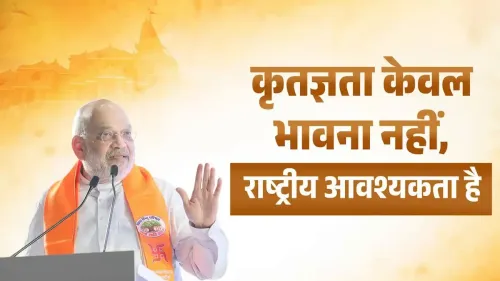
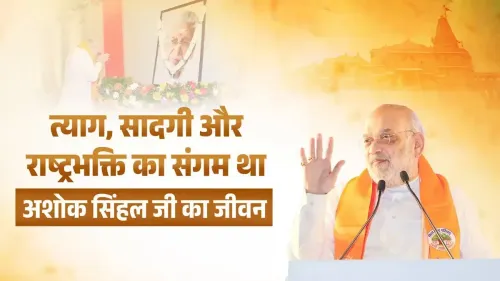
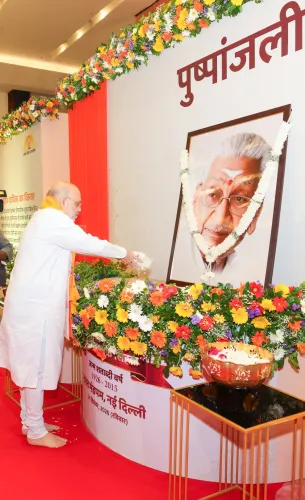
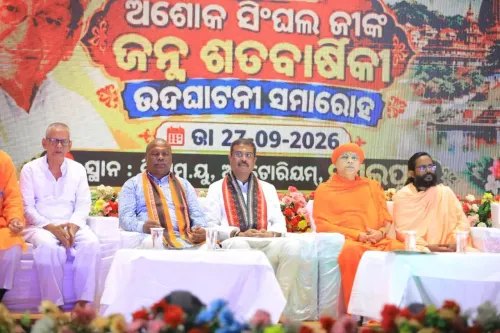
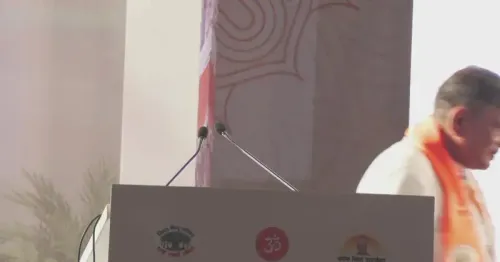
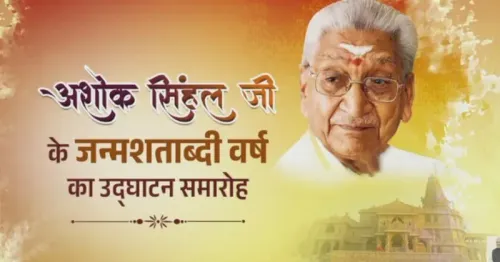
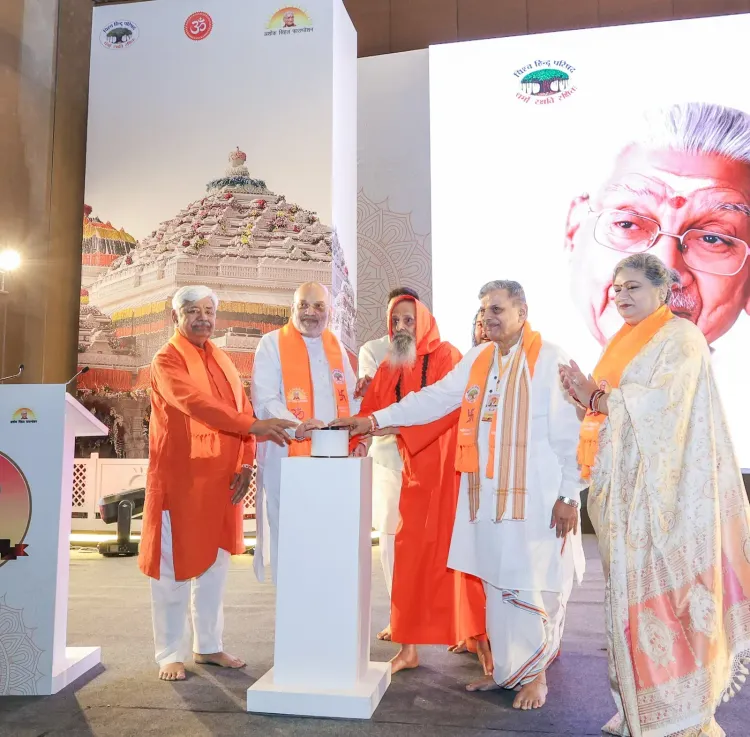
A century after the birth of one of Hindutva's most consequential organisers, Union Home Minister Amit Shah stood before an exhibition tracing the life and legacy of Ashok Singhal in New Delhi on Sunday, September 27, 2026 — marking the formal launch of the Ashok Singhal Foundation's birth centenary year.
Shah viewed an exhibition centred on Singhal's personality and vast body of work, organised by the foundation to open the year-long centenary commemoration. The occasion carried unmistakable cultural weight: a digital unveiling of Shri Ram Pratikrti Stambh (symbolic Ram pillars) took place at the event, depicting the arc of Lord Ram's journey from his forest exile — vanagaman — all the way to the victory at Lanka.
Five Foundation Initiatives Dedicated to Singhal's Memory
Beyond the visual and digital spectacle, Shah also participated in the lokarpan — the public dedication — of five new initiatives launched by the Ashok Singhal Foundation in the leader's memory. The specifics of each initiative were not detailed publicly at the time of reporting, but the foundation has framed them as programmatic efforts to carry Singhal's vision forward through the centenary year.
Shah described the Ram pillars as vehicles of enduring value: the columns, he said, 'will continue carrying the life values of Lord Shri Ram to future generations.' It is a statement of cultural custodianship — not just commemoration, but transmission.
Who Was Ashok Singhal — and Why This Centenary Matters
Ashok Singhal, who passed away in 2015, was the longtime working president and a towering figure of the Vishwa Hindu Parishad (VHP). More than any other individual, he shaped and sustained the mass mobilisation behind the Ram Janmabhoomi movement across the 1980s and 1990s — a campaign that ultimately culminated, decades later, in the consecration of the Ram temple at Ayodhya in January 2024.
His legacy sits at the precise intersection of religion, politics, and cultural nationalism that defines a significant strand of India's recent history. The foundation bearing his name has positioned the centenary year as a moment to institutionalise that legacy — through exhibitions, digital monuments, and the five newly launched programmes.
BJP's Consistent Thread Back to the RSS Galaxy
Shah's presence is neither incidental nor surprising. Senior BJP leaders — and Shah in particular — have consistently anchored their public identity to the broader RSS-VHP ecosystem that Singhal helped build. Attending the centenary launch is, in that sense, a continuation of a well-established political-cultural grammar: honoring the ideological lineage that the BJP traces back through organisations like the VHP and RSS.
What gives this event a longer reach is the Ram pillar digital unveiling. The Ramayana narrative, freshly charged by the Ayodhya temple consecration, remains a living cultural touchstone — and framing Singhal's centenary around it ensures the commemoration resonates well beyond the RSS-VHP faithful.
A century of one man's life, distilled into pillars, programmes, and a prime-time gathering in the capital — the Ashok Singhal Foundation has set the stage for a year of events. Whether they deepen into substantive cultural programming or remain ceremonial will be the centenary's real test.
Point of View
Coming less than two years after the temple's consecration, extends that narrative into a new commemorative register. For the BJP, honoring Singhal is also a signal to the RSS-VHP base that the party's cultural commitments remain intact beyond electoral cycles. The centenary year's programmatic output will reveal whether the foundation can translate legacy into durable institutional impact.
NationPress
28 Sept 2026
Frequently Asked Questions
Who was Ashok Singhal and why is his centenary being celebrated?
Ashok Singhal was a senior VHP leader and the driving force behind the Ram Janmabhoomi movement in the 1980s and 1990s. He passed away in 2015. The Ashok Singhal Foundation is marking the centenary of his birth with a year-long series of events to preserve and promote his legacy.
What happened at the Ashok Singhal birth centenary launch event in New Delhi?
Union Home Minister Amit Shah attended the event on September 27, 2026, viewed an exhibition on Singhal's life and work, witnessed the digital unveiling of Ram Stambh pillars depicting the Ramayana journey, and dedicated five new foundation initiatives to Singhal's memory.
What are the Shri Ram Pratikrti Stambh pillars unveiled at the event?
The Shri Ram Pratikrti Stambh are symbolic pillars digitally unveiled to depict Lord Ram's journey from his forest exile to the conquest of Lanka. Amit Shah described them as carriers of Lord Ram's life values to future generations.
What is the Ashok Singhal Foundation?
The Ashok Singhal Foundation is an organisation established to preserve and promote the legacy of VHP leader Ashok Singhal through cultural, commemorative, and social initiatives.
Why does Amit Shah attend events honouring RSS and VHP figures?
Senior BJP leaders, including Amit Shah, regularly participate in events honouring figures from the RSS-VHP ecosystem, reflecting the party's connection to the broader Hindutva ideological tradition that these organisations represent.