Court Grants Temporary Bail to Sharjeel Imam Amidst Stringent Restrictions
Synopsis
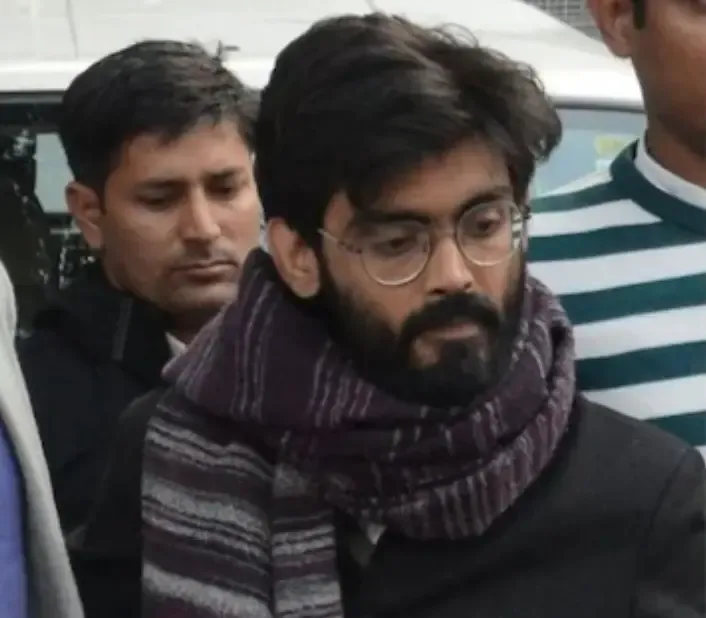
In a significant ruling, a court in Delhi has granted temporary bail to student activist Sharjeel Imam, allowing him to attend his brother's wedding and care for his ailing mother, under strict conditions prohibiting media and social media interaction.
Key Takeaways
Temporary bail granted for wedding and family care.
Strict conditions imposed , including media restrictions.
Imam has been in custody for over five years.
The court emphasized limited interactions during bail.
Imam is accused under UAPA related to the 2020 riots.
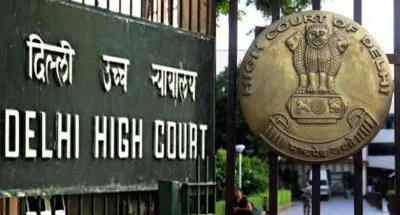
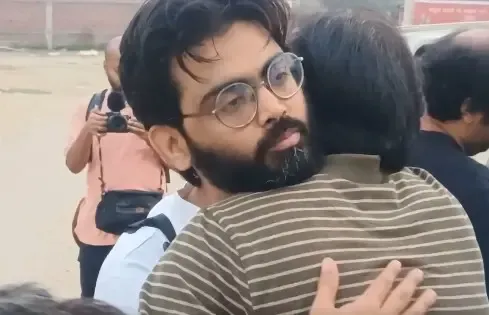
New Delhi, March 9 (NationPress) A local court has granted temporary bail to student activist Sharjeel Imam, who is presently facing allegations under the Unlawful Activities (Prevention) Act (UAPA) related to the purported conspiracy behind the 2020 North-East Delhi riots, specifically for attending his younger brother’s wedding and caring for his unwell mother.
Additional Sessions Judge (ASJ) Sameer Bajpai from the Karkardooma Courts accepted Imam’s request, allowing him interim bail for 10 days—from March 20 to March 30—with strict conditions including a ban on media interactions and social media usage.
Imam, who has spent over five years in custody, requested six weeks of interim bail to organize his brother's wedding and to spend time with his sick mother.
The court allowed limited relief, instructing him to submit a personal bond of Rs 50,000 and provide two sureties of the same amount. The court emphasized, “During the interim bail period, the applicant shall not contact media and will also not use social media.”
Additionally, Imam is permitted to meet only family members, relatives, and friends, avoiding contact with any witnesses or individuals involved in the case. He is required to provide his mobile number to the investigating officer and keep it active throughout the interim bail duration.
The judge specified that Imam must remain at his residence or at the venues for the wedding ceremonies as indicated. He is expected to report back to the prison superintendent on the evening of March 30.
In his plea, Imam noted he is the only sibling of the groom and there is no one else to assist with the wedding preparations.
His lawyer argued that Imam’s younger brother currently serves as the main caregiver to their mother, thus emphasizing Imam's desire to support his family during this critical time.
However, the prosecution opposed the plea, asserting that Imam's presence was not essential for the wedding and that family members had largely handled the arrangements.
They further contended that Imam’s mother was receiving treatment at Fortis Hospital in Vasant Kunj and there was no pressing medical reason necessitating his temporary release.
According to Imam's application, the wedding events include a Mehndi ceremony on March 22, a Haldi function on March 24, and the Nikah on March 25 at Hyatt Regency in Lucknow. The reception is slated for March 28 at their family home in Kako, Jehanabad district of Bihar.
Imam is among multiple student activists charged under the UAPA and various sections of the Indian Penal Code related to the alleged conspiracy behind the February 2020 riots in North-East Delhi.
The Delhi Police maintain that the violence was not a spontaneous event but rather the result of a premeditated conspiracy involving mobilization, road blockades, and coordinated protests aimed at disrupting normalcy and attracting international attention during the visit of then U.S. President Donald Trump.
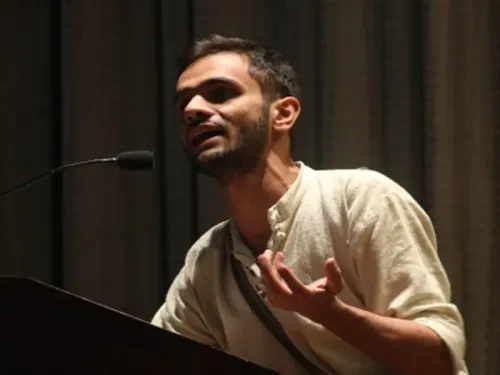
Earlier this year, the Supreme Court rejected bail requests from Imam and co-accused Umar Khalid, stating that the evidence presented by the prosecution, viewed collectively, provided reasonable grounds to believe the allegations against them were prima facie valid, thereby invoking the statutory bar on bail under Section 43D(5) of the UAPA.
Point of View
The court's decision to grant temporary bail to Sharjeel Imam under stringent conditions reflects the delicate balance between individual rights and legal scrutiny in high-profile cases. The implications of this ruling may resonate beyond the courtroom, particularly in the context of ongoing discussions around civil liberties in politically charged environments.
NationPress
17 Sept 2026
Frequently Asked Questions
Why was Sharjeel Imam granted bail?
Sharjeel Imam was granted temporary bail to attend his younger brother's wedding and to care for his ailing mother, under strict conditions.
What conditions were imposed on Sharjeel Imam's bail?
Imam's bail includes prohibitions on media contact and social media use, and he may only meet family and friends.
How long is Sharjeel Imam's bail period?
The interim bail period is for 10 days, from March 20 to March 30.
What charges is Sharjeel Imam facing?
He is facing charges under the Unlawful Activities (Prevention) Act (UAPA) related to the 2020 North-East Delhi riots.
What did the prosecution argue against Imam's bail?
The prosecution contended that Imam's presence was not essential for the wedding and that his mother was receiving treatment without urgent medical needs.