Why is Shashi Tharoor Criticizing the VB-G RAM G Bill?
Synopsis
In a dramatic session, Shashi Tharoor led fierce opposition against the Viksit Bharat Bill, which seeks to replace MGNREGA. He argues it threatens the livelihoods of rural citizens by stripping away Gandhi’s legacy and altering the fundamental rights of the program. As protests ensue, the debate reveals deep divides in India’s rural welfare commitments.
Key Takeaways
Shashi Tharoor critiques the Viksit Bharat Bill.
The bill proposes changes to rural employment funding.
Opposition voices concern over the removal of Gandhi's name.
Protests highlight divisions regarding rural welfare commitments.
The legislation aims to modernize the existing employment scheme.
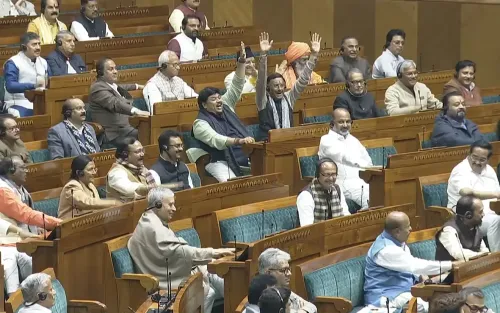
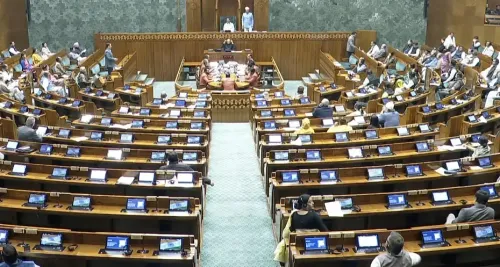
New Delhi, Dec 16 (NationPress) The Lok Sabha erupted in significant protests on Tuesday as the government rolled out the Viksit Bharat - Guarantee for Rozgar and Ajeevika Mission (Gramin) Bill, 2025, which seeks to supplant the renowned Mahatma Gandhi National Rural Employment Guarantee Act (MGNREGA).
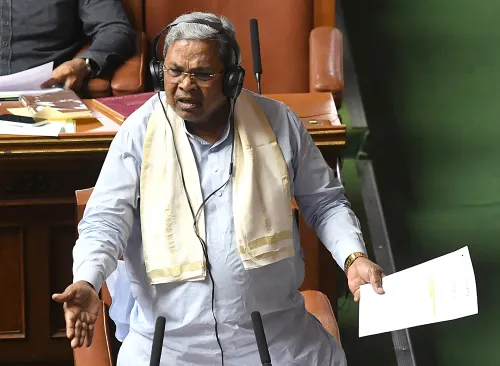
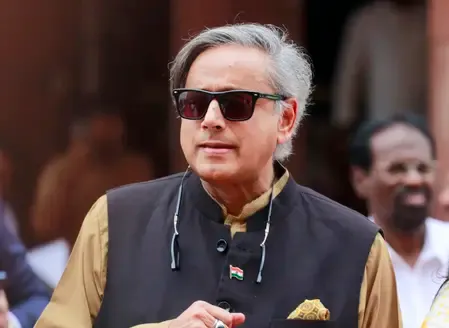
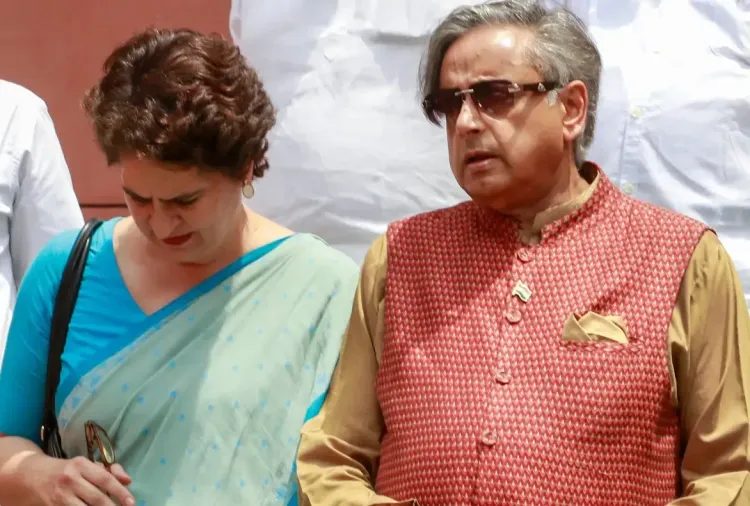
Congress MP Shashi Tharoor spearheaded the opposition's response, labeling the bill as a “deeply regrettable and retrograde step” that threatens the well-being of India’s most disadvantaged rural population.
Tharoor raised strong concerns regarding the exclusion of Mahatma Gandhi’s name, asserting that it transcends a mere administrative alteration, constituting an assault on the program’s foundational philosophy.
He referred to Gandhi’s aspirations for Ram Rajya and Gram Swaraj, highlighting the importance of empowering villages and placing the “last person first.”
The original 2005 Act, he contended, derived its moral authority from Gandhi's principles of grassroots development through guaranteed employment.
By removing his name, Tharoor warned, the bill undermines this historical and ethical basis.
A key point of contention was the suggested financial overhaul, proposing a 60:40 funding ratio where states would bear 40% of the costs—markedly up from the Centre's previous near-total coverage of unskilled wages under MGNREGA.
Tharoor cautioned that this would impose an unsustainable burden on poorer states, leading to delayed wage payments, reduced workdays, and the potential collapse of the scheme.
He labeled this a breach of fiscal federalism, questioning the Centre's legislative authority for such a transition.
Furthermore, the bill’s stipulation that the program depends on executive notifications was condemned for compromising its demand-driven, rights-based nature, granting the Union discretionary power over its execution.
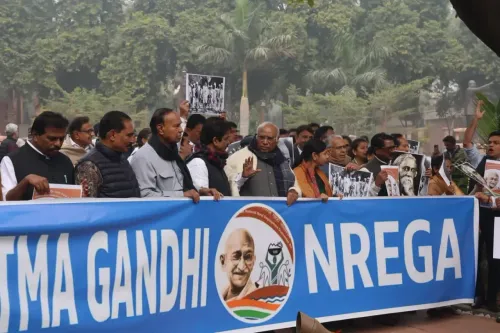
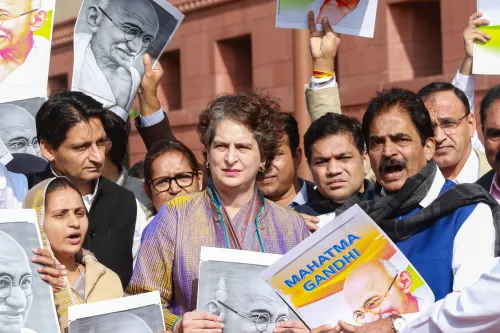
While the bill proposes 125 days of employment (increased from 100), digital transparency, and alignment with Viksit Bharat objectives, opposition members, including Priyanka Gandhi Vadra, disrupted the proceedings, insisting on a referral to a standing committee.
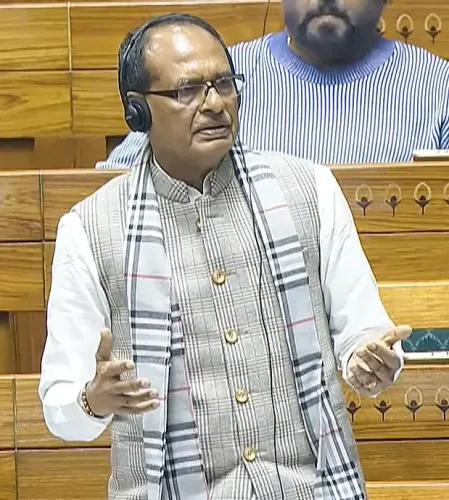
Introduced by Rural Development Minister Shivraj Singh Chouhan, the legislation aims to modernize the two-decade-old scheme that has provided employment to millions amid rural hardship.
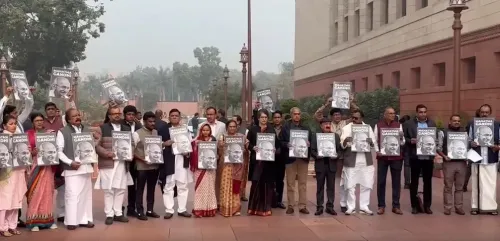
The heated debate underscores profound divisions regarding federal financing, Gandhian heritage, and commitments to rural welfare, with opposition parties uniting against what they perceive as a dilution of a flagship pro-poor initiative.
The session was characterized by slogans and walkouts as protests intensified.
Point of View
The debate surrounding the Viksit Bharat Bill highlights significant concerns regarding rural welfare and historical legacies. While the government's intentions to modernize the employment scheme are notable, the implications of altering funding structures and removing Mahatma Gandhi's name raise questions about the commitment to grassroots empowerment. It's crucial to balance modernization with the ethical tenets that underpin such vital programs.
NationPress
19 Sept 2026
Frequently Asked Questions
What is the Viksit Bharat Bill?
The Viksit Bharat Bill aims to replace the Mahatma Gandhi National Rural Employment Guarantee Act (MGNREGA) and introduce a new framework for rural employment and welfare.
Why is Shashi Tharoor opposing the bill?
Shashi Tharoor opposes the bill because he believes it undermines the welfare of vulnerable rural citizens and removes Mahatma Gandhi's legacy from the program.
What changes does the bill propose?
The bill suggests a 60:40 funding ratio, increasing state financial responsibility, and alters the demand-driven nature of the employment scheme.
How does this bill impact rural employment?
The bill could lead to reduced workdays and delayed wage payments, potentially putting the livelihoods of rural citizens at risk.
What was the reaction in the Lok Sabha?
The Lok Sabha saw intense protests from opposition members, including walkouts and disruptions, reflecting deep divisions over the bill's implications.