Shekhawat condoles passing of CM Yogi's mother Savitri Devi

Synopsis
Union Minister Gajendra Singh Shekhawat condoled the passing of Savitri Devi, mother of UP Chief Minister Yogi Adityanath, calling the news deeply anguishing and praying for peace for the departed soul and strength for the bereaved family.
Key Takeaways
Savitri Devi , mother of Uttar Pradesh Chief Minister Yogi Adityanath , passed away, triggering condolences from senior political leaders.
Union Culture and Tourism Minister Gajendra Singh Shekhawat posted a heartfelt tribute on X on November 20, 2026 .
Shekhawat described the news as 'deeply anguishing' ( marmaahat karne wala ) and extended condolences to CM Yogi and his entire family.
The minister invoked Lord Shri Ram , praying the departed soul be granted a place at His feet.
Shekhawat noted that Savitri Devi's values and blessings are reflected in Yogi Adityanath's personality and will endure forever.
The passing of Savitri Devi, the revered mother of Uttar Pradesh Chief Minister Yogi Adityanath, drew a heartfelt condolence on Friday, November 20, 2026 from Union Culture and Tourism Minister Gajendra Singh Shekhawat, who said the news had caused him deep anguish.
Posting on X in Hindi, Shekhawat wrote that the values and blessings bestowed by Savitri Devi were clearly visible in Yogi Adityanath's character — an influence, he said, that would endure forever. 'पूज्य माताजी से मिले संस्कारों और आशीर्वाद का लोकोत्तर प्रभाव योगी जी के व्यक्तित्व में आभासित होता है' — 'The transcendent influence of the values and blessings received from the revered mother is reflected in Yogi ji's personality.'
A prayer for peace, a word for the family
Shekhawat extended his 'deepest condolences and prayers' to CM Yogi Adityanath and all members of the family in this 'sorrowful hour'. He invoked Lord Shri Ram, praying that the departed soul be granted a place at His feet, and that the family receive strength and patience to bear the loss.
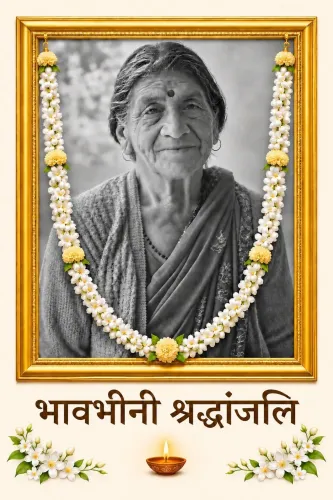
He closed his message with the words 'भावभीनी श्रद्धांजलि। ॐ शांति!' — 'A heartfelt tribute. Om Shanti!' — a traditional Sanskrit invocation of peace for the departed.
Solidarity within the BJP's senior ranks
The condolence reflects the bonds of personal respect that run across the senior leadership of the Bharatiya Janata Party. Shekhawat, a Lok Sabha MP from Jodhpur, Rajasthan and a cabinet minister at the Centre, and Yogi Adityanath, the Chief Minister leading India's most populous state, are both prominent pillars of the party's governance structure. Such personal tributes between leaders during family bereavements are a deeply rooted tradition in Indian political and social culture.
For Yogi Adityanath — a monk-politician whose public identity has long been shaped by discipline and devotion — the loss of his mother carries a weight that goes beyond the personal. Shekhawat's message acknowledged precisely that dimension, noting that a mother's sanskar (moral formation) lives on in her children long after she is gone.
Point of View
A framing that subtly deepens Yogi Adityanath's image as a leader rooted in traditional values. Such gestures, while deeply personal, also function as visible signals of cohesion at the top of the party's governance structure. In a party where personal relationships among leaders are carefully maintained, this kind of public acknowledgement matters.
NationPress
20 Nov 2026
Frequently Asked Questions
Who is Savitri Devi in relation to Yogi Adityanath?
Savitri Devi was the mother of Uttar Pradesh Chief Minister Yogi Adityanath . Her passing was mourned by senior political leaders including Union Minister Gajendra Singh Shekhawat .
What did Gajendra Singh Shekhawat say about Yogi Adityanath's mother?
Shekhawat said the news of Savitri Devi's passing was 'deeply anguishing' and noted that her values and blessings were visible in Yogi Adityanath's personality and would remain with him always. He also prayed to Lord Shri Ram to grant the departed soul peace.
When did Yogi Adityanath's mother Savitri Devi pass away?
The condolence message from Union Minister Gajendra Singh Shekhawat was posted on November 20, 2026 , indicating the passing occurred around or before that date.
Who is Gajendra Singh Shekhawat?
Gajendra Singh Shekhawat is India's Union Minister of Culture and Tourism and a senior BJP leader. He is a Lok Sabha MP representing the Jodhpur constituency in Rajasthan .
What is the meaning of 'Om Shanti' used in condolence messages?
Om Shanti is a Sanskrit phrase meaning 'peace be upon the soul.' It is a traditional Hindu invocation used in condolence messages to pray for peace and rest for a departed soul.