Shekhawat Campaigns for BJP in Phalodi's Lohawat Seat
Synopsis
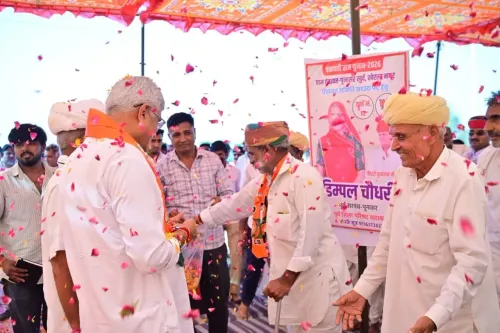
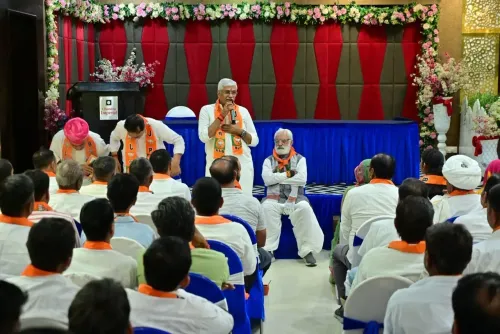
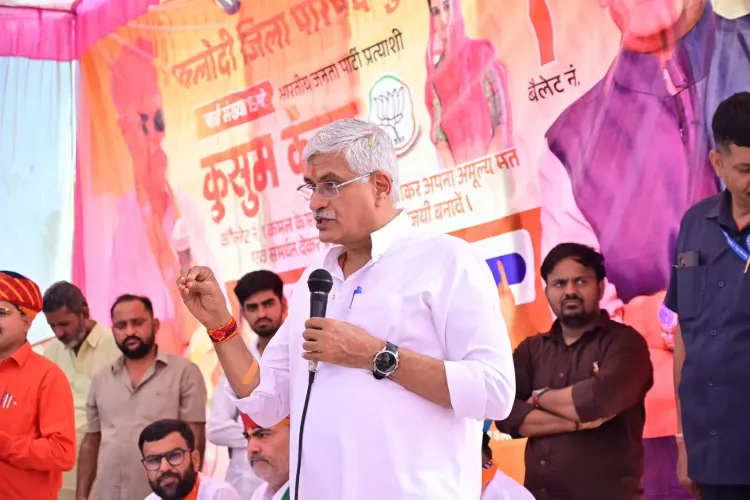
Union Minister Gajendra Singh Shekhawat addressed a BJP rally at Jakhan village in Phalodi's Lohawat segment on 20 October 2026, backing Zila Parishad candidate Kusum Kanwar and pledging village development and farmer welfare ahead of Rajasthan Panchayati Raj election results.
Key Takeaways
Union Minister Gajendra Singh Shekhawat addressed a BJP campaign rally at Jakhan village, Lohawat segment, Phalodi district on 20 October 2026 .
The rally backed Smt.
Kusum Kanwar , BJP's candidate for Ward No.
15, Phalodi Zila Parishad , and Panchayat Samiti members.
Prominent attendees included state minister-rank leader Champalal Gedar and Phalodi Municipality President Meghraj Kalla .
Shekhawat's campaign messaging centred on village development, farmer welfare, and resolution of grassroots public issues.
The rally underscores BJP's strategy of deploying central ministers for local body elections to strengthen booth-level organisation in key constituencies.
Rajasthan Panchayati Raj elections are governed by the state Act rooted in the 73rd Constitutional Amendment of 1992 .
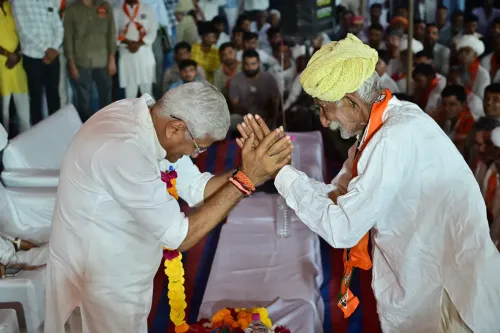
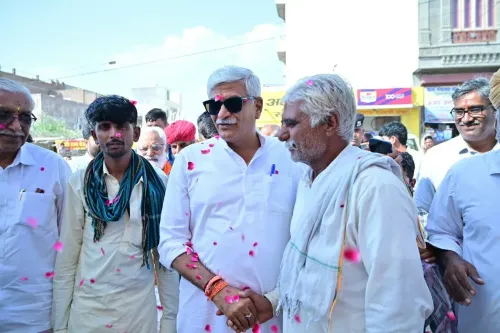
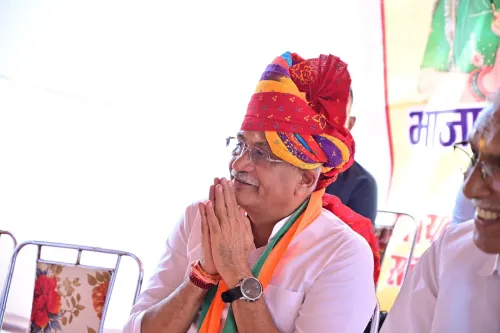
A Union Cabinet minister hit the dusty lanes of western Rajasthan on Tuesday, 20 October 2026 — Union Culture and Tourism Minister Gajendra Singh Shekhawat addressed a public rally at Jakhan village in the Lohawat assembly segment of Phalodi district, throwing his weight behind BJP candidate Smt. Kusum Kanwar contesting Ward No. 15 of Phalodi Zila Parishad in the ongoing Rajasthan Panchayati Raj elections.
Shekhawat shared BJP's commitment to village and dhani (hamlet) development, farmer welfare, and resolving the everyday problems of common citizens. 'I am confident,' he wrote, 'that with the blessings of the people and the hard work of party workers, BJP will receive widespread support across the Phalodi and Jodhpur region.'
Who Shared the Stage at Jakhan
The rally drew a constellation of local BJP figures. Shri Champalal Gedar, who holds state minister of state status, shared the dais alongside Phalodi Municipality President Shri Meghraj Kalla. Party prabhari (in-charge) Shri Bhupendra Devasi, Shri Jogendra Singh Rajpurohit, Shri Vikramaditya Singh Amla, and Shri Chokha Ram were also present — signalling that the party is mobilising both its administrative network and its grassroots cadre for what are, structurally, the smallest yet most consequential electoral contests in rural democracy.
Why a Central Minister Campaigns for a Ward Seat
It is a deliberate strategic calculus. BJP central ministers routinely descend to panchayat and municipal polls to energise ground-level organisation, particularly in home constituencies. For Shekhawat — a Lok Sabha MP from Jodhpur — Phalodi sits squarely in his political backyard, making his presence here both symbolic and practical. A strong showing in Zila Parishad and Panchayat Samiti seats translates into a committed booth-level machinery ahead of assembly and general elections.
Rajasthan's rural local body elections are governed by the state Panchayati Raj Act, itself rooted in the 73rd Constitutional Amendment of 1992 that created India's three-tier rural governance architecture. Control of these bodies influences development fund allocation at the village level — real stakes for real communities, even if the headlines rarely follow.
Farmer Welfare and Village Development: The Messaging Template
Shekhawat's rally pitch — development of villages and dhanis, farmer welfare, solutions to ordinary citizens' problems — is a well-worn but effective frame in western Rajasthan's agrarian belt. Phalodi, a district in the arid Thar region, has persistent concerns around water scarcity, agricultural connectivity, and rural infrastructure. Anchoring a ward-level campaign to these macro themes is how the BJP ties grassroots contests to its larger governance narrative.
With results yet to be declared, the true measure of this mobilisation will come at the counting table. But Shekhawat's boots-on-ground presence in Jakhan sends a clear signal: in Jodhpur's political geography, no seat — not even Ward No. 15 — is too small to fight for.
Point of View
Not just national narratives. How well this mobilisation translates into seat tallies will offer an early read on BJP's grassroots health in western Rajasthan ahead of the next major electoral cycle.
NationPress
20 Oct 2026
Frequently Asked Questions
What is Gajendra Singh Shekhawat's role in the Rajasthan Panchayati Raj elections 2026?
Shekhawat is campaigning as a senior BJP leader and Union Minister, not as a candidate. He addressed a rally at Jakhan village in Phalodi's Lohawat segment on 20 October 2026 to support Ward No. 15 Zila Parishad candidate Kusum Kanwar and other Panchayat Samiti members.
Who is Kusum Kanwar in the Rajasthan Panchayati Raj elections?
Kusum Kanwar is the BJP candidate contesting Ward No. 15 of Phalodi Zila Parishad from the Lohawat assembly segment in the ongoing Rajasthan Panchayati Raj elections.
What is the Phalodi Zila Parishad election about?
The Phalodi Zila Parishad election is part of Rajasthan's Panchayati Raj polls for rural local self-governance bodies, which operate under a three-tier system established by the 73rd Constitutional Amendment of 1992.
Why do Union Ministers campaign in panchayat elections?
BJP central ministers routinely campaign in panchayat and local body elections to energise party cadre, strengthen booth-level organisation, and reinforce the party's grassroots presence ahead of assembly and general elections.
What issues did Shekhawat highlight at the Jakhan rally?
Shekhawat emphasised BJP's commitment to village and hamlet development, farmer welfare, and solving the everyday problems of ordinary citizens in the Phalodi and Jodhpur region.