Shekhawat shares poetic vision on dreams and aspiration
Synopsis
Union Culture and Tourism Minister Gajendra Singh Shekhawat posted a Hindi poetic couplet on July 9, 2026, transforming a traditional lamp-lighting idiom into a vision of cascading dreams — reflecting the Modi government's broader aspirational messaging to the Indian public.
Key Takeaways
Gajendra Singh Shekhawat , Union Minister of Culture and Tourism, posted a poetic Hindi couplet on X on July 9, 2026 .
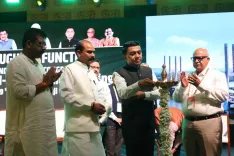
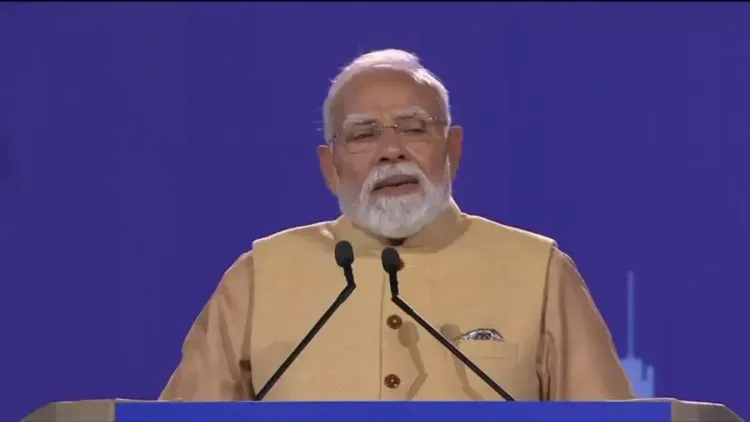
The couplet reworks a traditional idiom: 'one lamp lights another, a thousand lamps burn' into 'one dream births another, a thousand dreams are born.' The post was accompanied by a video , suggesting the lines were drawn from a speech or public address.
The lamp ( deep ) is a recurring motif in the Modi government's cultural and aspirational messaging.
Shekhawat is a senior BJP leader and Lok Sabha MP from Jodhpur, Rajasthan .
Union Culture and Tourism Minister Gajendra Singh Shekhawat posted a poetic couplet on X on Thursday, July 9, 2026, invoking the imagery of lamps and dreams to articulate a message of cascading aspiration and national inspiration.
Context
The post, written in Hindi, reworks a familiar idiom about lamps kindling one another — 'एक दीप से जले दूसरा, जलते दीप हजार' ('one lamp lights another, and a thousand lamps burn') — and extends it into a vision of dreams: 'one dream gives birth to another, and a thousand dreams are born.' The couplet is structured as a personal declaration, with Shekhawat contrasting an older saying with his own formulation, signalling a forward-looking ethos.
The post was accompanied by a video, suggesting the lines may have been drawn from a speech or public address delivered by the minister, though the specific occasion has not been identified in official communications.
Policy Backdrop
Ministers in the Modi government have frequently used social media to share inspirational, poetic, or culturally resonant content, particularly around themes of heritage, aspiration, and national identity. The lamp — or deep — is a recurring motif in official messaging, associated with festivals such as Diwali and with the broader 'Viksit Bharat' (Developed India) narrative that frames individual ambition as part of collective national progress.
Shekhawat, as the minister overseeing both culture and tourism, has positioned his ministry at the intersection of India's civilisational identity and its economic potential through heritage tourism circuits. Poetic communication of this kind reinforces the ministry's outreach to a broad, culturally engaged public audience.
Stakeholders and Impact
The post is addressed to the general Indian public and carries a motivational register familiar in political communication — invoking collective dreaming as a civic virtue. Such messaging resonates particularly with youth audiences and citizens engaged with the government's aspirational development agenda.
The lamp metaphor also carries cultural weight beyond politics: it is embedded in classical Indian literary tradition and religious symbolism, lending the couplet a layered appeal that transcends any single policy context.
What's Next
The Ministry of Culture and Tourism is expected to continue its calendar of cultural promotion campaigns and heritage tourism initiatives through the remainder of 2026. Shekhawat's public communications, including posts of this nature, are likely to accompany upcoming ministry events, potentially offering further context for the themes of aspiration and collective vision he has articulated here.
Point of View
Poetic language to sustain public engagement between policy announcements. By adapting a classical lamp metaphor into the register of collective dreaming, the minister aligns himself with the 'Viksit Bharat' aspirational arc without anchoring the message to any specific scheme — giving it broad, durable appeal. The accompanying video hints at a larger speech context that, once surfaced, could lend the post greater policy specificity. For now, it functions as soft-power political communication: building the minister's personal brand while reinforcing the government's civilisational-pride narrative.
NationPress
9 Jul 2026
Frequently Asked Questions
What did Gajendra Singh Shekhawat post on X on July 9, 2026?
Shekhawat posted a Hindi poetic couplet that reworks a traditional lamp-lighting idiom — 'one lamp lights another, a thousand lamps burn' — into a vision of dreams: 'one dream births another, a thousand dreams are born.'
Who is Gajendra Singh Shekhawat?
Gajendra Singh Shekhawat is the Union Minister of Culture and Tourism in the Modi government, a senior BJP leader, and the Lok Sabha MP from Jodhpur, Rajasthan.
What is the meaning of Shekhawat's Hindi couplet about lamps and dreams?
The couplet draws on a familiar Indian saying about lamps kindling one another and reframes it as a metaphor for aspirations: just as one lamp can light a thousand others, one dream can inspire countless more, conveying a message of collective national ambition.
What occasion prompted Shekhawat's poetic post?
No specific occasion has been officially confirmed. The post was accompanied by a video suggesting it may have been drawn from a speech, but the event or context has not been publicly identified.
How does the lamp metaphor connect to Indian cultural tradition?
The lamp or deep is a deeply embedded symbol in Indian classical literature, religious practice, and festival tradition — most prominently Diwali — making it a resonant image in both cultural and political communication in India.