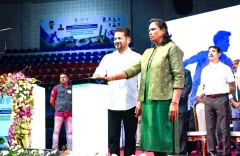
CM Hemant Soren attends National Stakeholders Consultation in Delhi
Synopsis
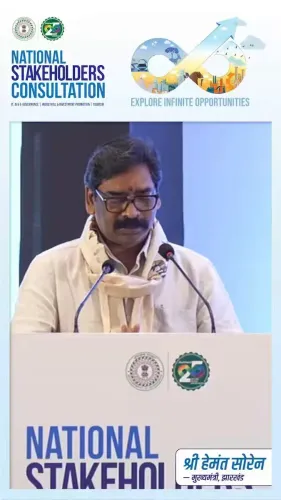
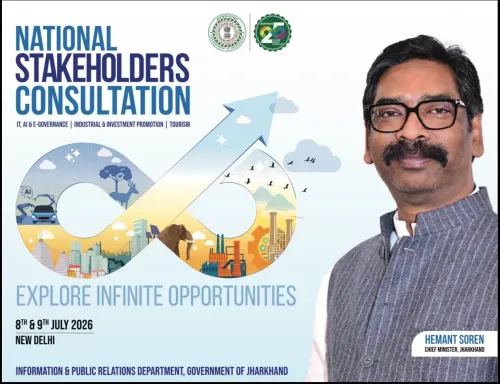
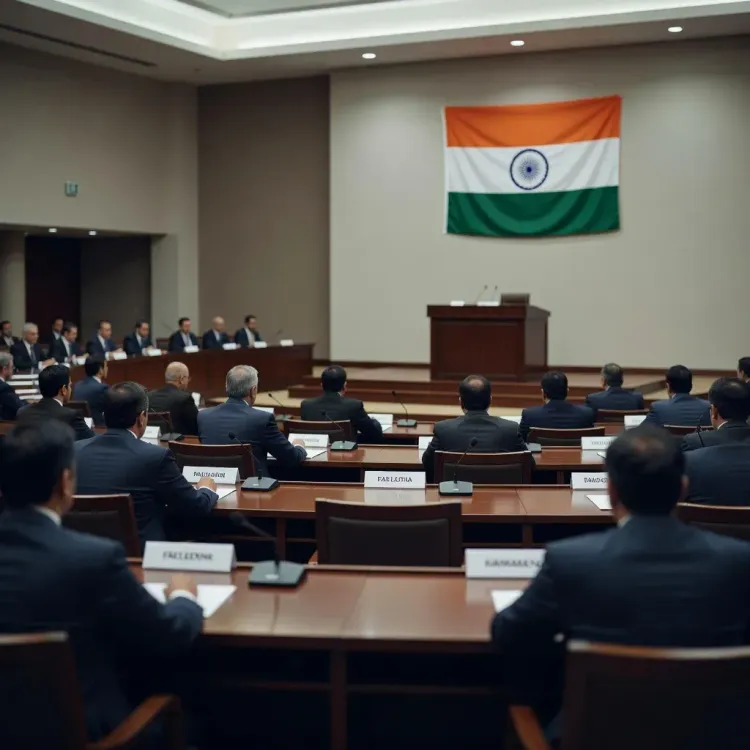
Jharkhand Chief Minister Hemant Soren attended the closing ceremony of a National Stakeholders Consultation in New Delhi on 9 July 2026, thanking industry leaders for their participation and calling the event historic. The consultation is part of India's broader framework of federal policy dialogue involving states and the private sector.
Key Takeaways
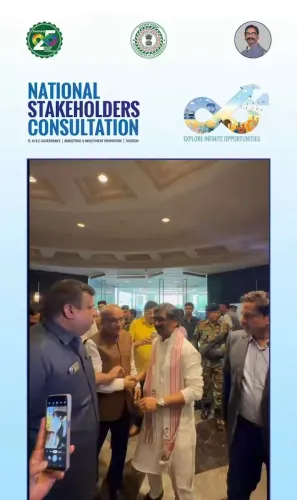
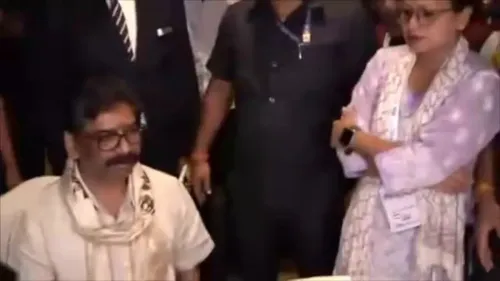
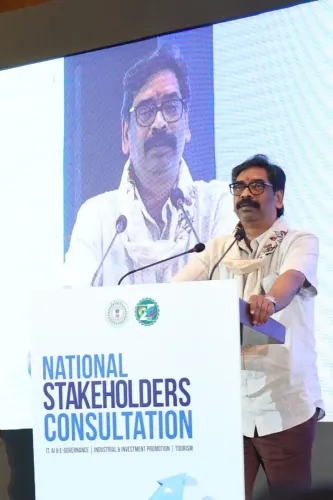
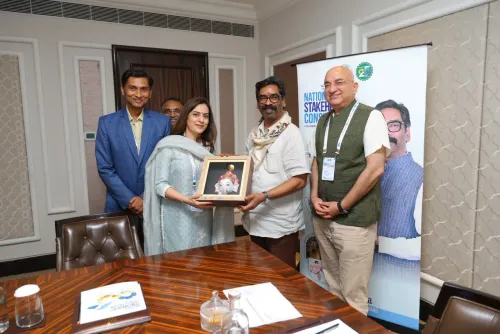
Jharkhand Chief Minister Hemant Soren attended the closing ceremony of the National Stakeholders Consultation in New Delhi on 9 July 2026 .
Soren described the consultation as 'historic' and extended gratitude — including the traditional Johar greeting — to participating industry leaders.
The event is part of India's established practice of national-level policy consultations involving state governments and private sector stakeholders.
Jharkhand's Industrial Policy 2021 reflects the state's ongoing effort to attract investment through structured industry engagement.
The specific sector or theme of this consultation has not been officially disclosed.
Policy recommendations or white papers arising from the event are expected to feed into central government deliberations.
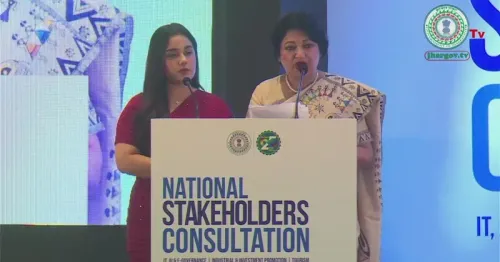
Jharkhand Chief Minister Hemant Soren attended the closing ceremony of a National Stakeholders Consultation held in New Delhi on 9 July 2026, expressing gratitude to industry leaders who participated and shared their recommendations at the national-level policy event.
Posting on X, Soren wrote: 'नई दिल्ली में आयोजित National Stakeholders Consultation के समापन कार्यक्रम में शामिल हुआ हूं' ['I attended the closing ceremony of the National Stakeholders Consultation held in New Delhi'], adding a warm acknowledgement — using the traditional Jharkhand greeting Johar — to all industry leaders who came forward with their suggestions at what he called a 'historic' consultation programme.
Context
National Stakeholders Consultations are a standard mechanism in India's federal policy architecture, bringing together state governments, industry bodies, and domain experts to feed ground-level inputs into central policy frameworks. New Delhi regularly hosts such events, particularly when the Union government or an apex body seeks structured feedback before finalising legislation, investment frameworks, or sectoral guidelines.
Jharkhand, as one of India's most resource-rich states, holds a significant stake in any national consultation touching on mining, manufacturing, or industrial investment. Chief Minister Soren's presence at the closing session signals the state government's active engagement with national economic policy processes.
Policy Backdrop
Jharkhand released its own Industrial Policy in 2021, aimed at attracting private investment through streamlined clearances and stakeholder engagement. The state has since participated in multiple rounds of industry-government dialogue at both state and national levels.
National-level stakeholder consultations involving state governments and the private sector have been a recurring feature of India's economic governance since the launch of the Make in India initiative in 2014. These platforms allow mineral-rich and manufacturing-focused states like Jharkhand to directly shape the contours of investment and industrial policy at the Centre.
Stakeholders and Impact
The consultation brought together industry leaders from across sectors, who presented their recommendations at the New Delhi event. Soren's use of the word 'historic' to describe the programme suggests the event was considered significant in scope or participation, though the specific policy theme has not been officially disclosed.
For Jharkhand's industrial community, the Chief Minister's direct participation at the national forum underscores the state's intent to position itself as a proactive partner in shaping central economic policies — a posture that can influence future investment flows and regulatory frameworks affecting the state.
What's Next
The immediate focus will be on whether the consultation produces a white paper, a set of formal policy recommendations, or a follow-up meeting series. Outputs from such national consultations typically feed into ministry-level deliberations and, in some cases, draft legislation or revised scheme guidelines.
Stakeholders and state governments, including Jharkhand, are expected to track any central policy announcements that draw from the inputs gathered at the 9 July 2026 event in New Delhi.
Point of View
Not merely a recipient of it. For a resource-rich state that has long argued for greater control over its mineral wealth, such forums offer a rare institutional channel to influence upstream policy decisions. The use of the word 'historic' in his post, while unverified in scope, suggests the event carried weight beyond a routine inter-ministerial exercise. This fits a broader pattern of JMM-led Jharkhand seeking to leverage national platforms to advance the state's industrial and tribal-economic interests.
NationPress
9 Jul 2026
Frequently Asked Questions
What is the National Stakeholders Consultation that Hemant Soren attended?
It is a national-level policy consultation held in New Delhi that brings together state governments and industry leaders to share recommendations on economic and industrial policy matters. Jharkhand Chief Minister Hemant Soren attended its closing ceremony on 9 July 2026.
Why did Hemant Soren attend the National Stakeholders Consultation in New Delhi?
Soren attended to represent Jharkhand's interests at the national policy forum and to engage with industry leaders. He expressed gratitude to participants for sharing their inputs at what he called a historic consultation event.
What is Johar and why did Hemant Soren use it?
'Johar' is a traditional greeting used in Jharkhand, particularly among tribal communities. Soren, who leads the Jharkhand Mukti Morcha, regularly uses it as a cultural identifier in his public communications.
What is Jharkhand's Industrial Policy and how does it relate to this event?
Jharkhand released its Industrial Policy in 2021 to attract private investment through stakeholder engagement and streamlined clearances. The Chief Minister's participation in national consultations is consistent with that policy's goal of positioning Jharkhand as an investment-friendly state.
What outcomes are expected from the National Stakeholders Consultation?
Consultations of this nature typically result in policy recommendations, white papers, or follow-up ministerial meetings. Any formal outputs from the 9 July 2026 event are expected to inform central government policy deliberations.