Shelar calls CJP's SIR protest a 'grammar of anarchy', cites Ambedkar
Synopsis
Maharashtra minister Ashish Shelar invoked Ambedkar's own 1949 warning against 'grammar of anarchy' to slam the CJP's planned protest at Shivaji Park over the Election Commission's Special Intensive Revision of electoral rolls — framing constitutional dissent as permissible but street agitation as illegitimate when legal and institutional channels remain open.
Key Takeaways
Maharashtra Cultural Affairs Minister Ashish Shelar on 2 October called the CJP 's agitation against the Special Intensive Revision (SIR) of electoral rolls a 'grammar of anarchy.' Shelar cited Dr B.R.
Ambedkar's 25 November 1949 Constituent Assembly address, in which Ambedkar warned that using unconstitutional methods when constitutional avenues exist amounts to a 'grammar of anarchy.' The minister said the Election Commission of India had announced the SIR schedule transparently and informed all political parties and citizens about the procedure.
He alleged the Congress and other parties were levelling politically motivated allegations against the BJP rather than using institutional mechanisms.
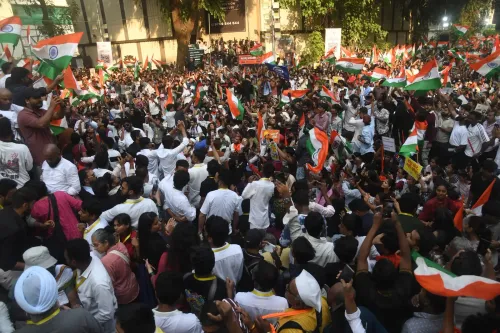
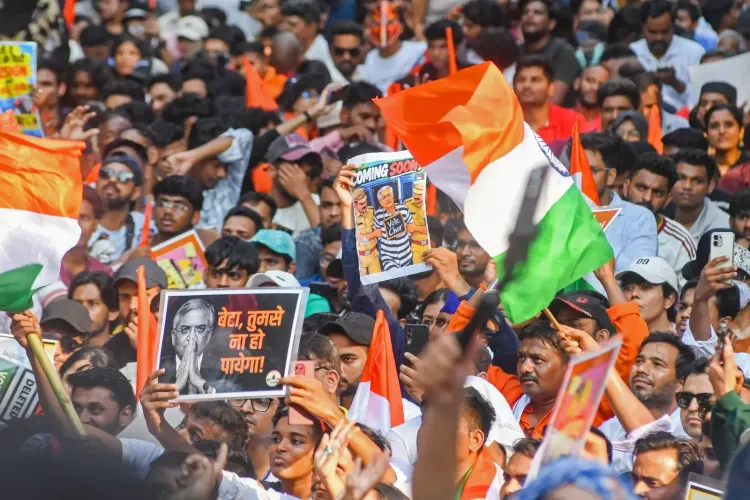
Shelar alleged the CJP planned an agitation at Shivaji Park, Mumbai with a political agenda, and that the protest could damage India's international reputation on electoral integrity.
Maharashtra Cultural Affairs Minister Ashish Shelar on Friday, 2 October sharply criticised the protest organised by the Citizens for Justice and Peace (CJP) against the Special Intensive Revision (SIR) of electoral rolls, labelling it a 'grammar of anarchy' and arguing that constitutional avenues remain fully available for any grievances regarding the process.
What the Minister Said on SIR
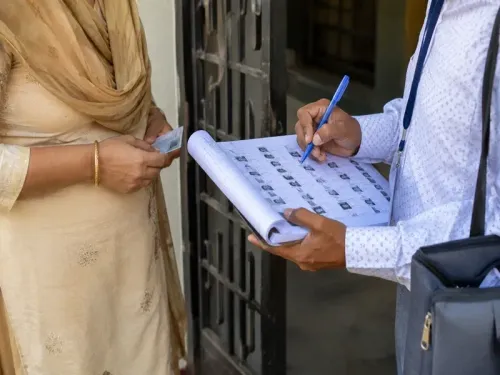
Speaking to reporters in Mumbai, Shelar maintained that the Election Commission of India (ECI) had announced the SIR schedule in a transparent and procedurally defined manner. He said all political parties and citizens had been duly informed, and that the procedures governing applications, claims, objections, hearings, and required documents had been clearly specified. The ECI had also communicated the process to the public through media channels, he added.
'If there are objections to any part of the process, they can be raised through constitutional and legal channels,' Shelar said. He noted that parties could present their case before the Election Commission and that judicial recourse was also available. 'When all these avenues are open, why is an attempt being made to create an atmosphere through agitation?' he asked.
The Ambedkar Invocation
Shelar drew on the legacy of Bharat Ratna Dr B.R. Ambedkar to reinforce his argument, citing Ambedkar's address to the Constituent Assembly on 25 November 1949. He said Ambedkar had underlined that resorting to unconstitutional methods when constitutional avenues remain open amounts to a 'grammar of anarchy' — the very phrase Shelar applied to the CJP protest. He said Ambedkar's words were 'particularly relevant in the present circumstances.'
Allegations Against the Opposition
The minister alleged that the Indian National Congress (Congress) and certain other political parties had been repeatedly levelling allegations against the Bharatiya Janata Party (BJP) and the government over the SIR issue, rather than using institutional mechanisms to raise questions about ECI procedures. He also claimed that the US President had praised India's electoral process and that representatives from 22 countries had appreciated it, alleging that domestic protests on such occasions bring 'disrepute' to the country.
Shelar alleged that an attempt was being made to hold an unconstitutional agitation at Shivaji Park under the CJP banner with a political motive. 'The agitation-driven CJP can never deliver justice to the people,' he stated. He also asserted that the Election Commission is not questioned when the Opposition wins, but faces scrutiny whenever the BJP prevails.
Safeguards in the SIR Process
Shelar sought to reassure citizens that the SIR process includes necessary safeguards to ensure no eligible voter's name is deleted from the electoral rolls without due process. Those whose names are subject to any objection will have an opportunity to present their case before relevant authorities, he said. He urged the Opposition not to create confusion among citizens about a process being implemented by lakhs of administrative officers and employees across the state.
The SIR row is set to intensify ahead of upcoming electoral cycles, with the Opposition showing no signs of standing down its challenge to the revision exercise.
Point of View
Cautioning against both unconstitutional agitation and the hollowing out of democratic institutions. Deploying it to defend an Election Commission process that critics argue lacks sufficient transparency risks appropriating Ambedkar's legacy selectively. The deeper issue is whether the SIR process has adequate safeguards against mass deletions, a question that institutional channels alone may not resolve quickly enough before electoral cycles close. The BJP's framing — that questioning the ECI amounts to anti-nationalism — also sidesteps legitimate concerns about the independence of electoral administration that have been raised not just by the Opposition but by civil society groups with credible track records.
NationPress
3 Oct 2026
Frequently Asked Questions
What is the Special Intensive Revision (SIR) of electoral rolls that the CJP is protesting?
The Special Intensive Revision (SIR) is an exercise announced by the Election Commission of India to update and revise voter rolls, with defined procedures for applications, claims, objections, and hearings. Critics, including the CJP, have raised concerns about whether the process could lead to eligible voters being deleted from the rolls.
Why did Ashish Shelar call the CJP protest a 'grammar of anarchy'?
Shelar used the phrase 'grammar of anarchy,' originally coined by Dr B.R. Ambedkar in his 25 November 1949 Constituent Assembly address, to argue that staging street agitations when constitutional and legal channels remain open is illegitimate. He maintained that objections to the SIR process can be raised before the Election Commission or through judicial recourse.
Where was the CJP protest planned and what was its stated purpose?
The CJP reportedly planned to hold an agitation at Shivaji Park in Mumbai to protest the Election Commission's Special Intensive Revision of electoral rolls. The group has raised concerns about the potential deletion of eligible voters' names through the process.
What safeguards does the SIR process include, according to the government?
According to Minister Shelar, the SIR process includes safeguards to ensure no eligible citizen's name is removed from electoral rolls without due process. Those whose names face any objection will have an opportunity to present their case before the relevant authorities, he said.
How has the Congress responded to the SIR process?
According to Shelar, the Congress and some other political parties have been repeatedly levelling allegations against the BJP and the government over the SIR. The minister argued that such questions should instead be directed at the Election Commission through its institutional mechanisms, as the ECI is an independent constitutional body.