Shivakumar fires back at BJP over ₹36,500 crore Bengaluru waste tender scam charge
Synopsis
Karnataka CM D.K. Shivakumar didn't just deny the BJP's ₹36,500 crore ISWM scam charge — he turned it around, calling opposition leader R. Ashoka an 'agent of the garbage mafia.' With the BJP now at the Governor's door demanding a CBI probe, this is the first major corruption battle of Shivakumar's tenure, and both sides are digging in.
Key Takeaways
Shivakumar on 10 June dismissed BJP allegations of ₹10,000 crore kickbacks in Bengaluru's ISWM waste management tender.
BJP Leader of the Opposition R.
Ashoka alleged the project constitutes a scam worth ₹36,500 crore .
A BJP delegation met Governor Thaawarchand Gehlot and demanded a CBI probe and dismissal of the Congress-led government.
Shivakumar accused Ashoka of acting as an 'agent of the garbage mafia' and alleged BJP's Aravind Limbavali had previously obstructed waste transport.
Private players are expected to invest ₹6,000 crore in waste infrastructure; the government has also allocated ₹800 crore for the sector.
Shivakumar said he is willing to face any inquiry, even if misuse of as little as ₹10 crore is found.
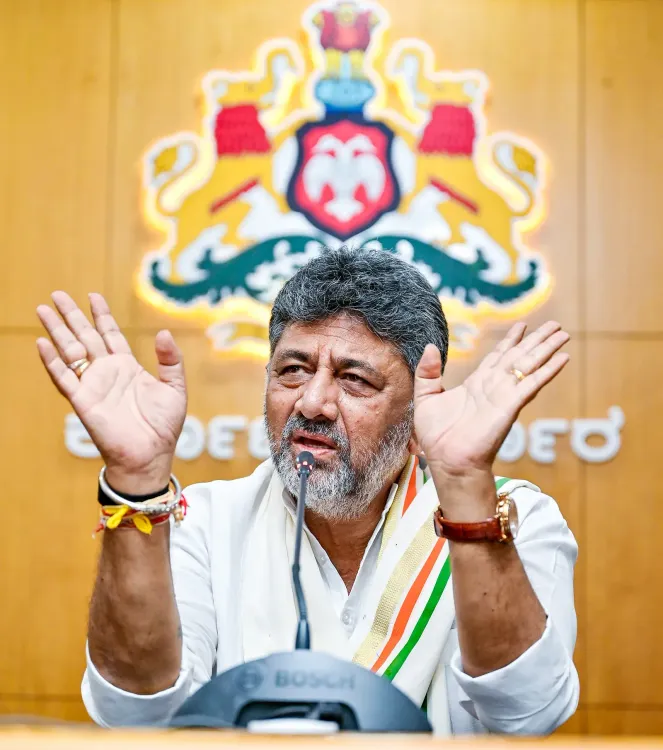
Karnataka Chief Minister D.K. Shivakumar on Wednesday, 10 June launched a sharp counter-attack against Bharatiya Janata Party (BJP) Leader of the Opposition R. Ashoka, dismissing allegations of ₹10,000 crore in kickbacks linked to Bengaluru's Integrated Solid Waste Management (ISWM) tender as politically motivated and accusing Ashoka of functioning as an 'agent of the garbage mafia.'
Speaking to reporters in New Delhi, Shivakumar called the charges an exercise in 'politics of jealousy,' marking the first major corruption salvo fired by the BJP against his government since it assumed office.
Shivakumar's Rebuttal
'Leader of the Opposition R. Ashoka is speaking as an agent of the garbage mafia in Bengaluru. I had earlier discussed with him the need to control this mafia. It is surprising that he is now acting as its spokesperson,' Shivakumar said.
The Chief Minister also took a pointed jab at Ashoka's record in office: 'If he wants garbage, we can load it onto a truck and send it to him. Why was his government unable to finalise waste management tenders during its tenure?' He noted that Union Minister H.D. Kumaraswamy had previously made similar remarks, suggesting a coordinated campaign by a 'powerful garbage lobby' in the city.
What the Government Said About the Project
Shivakumar defended the ISWM initiative, saying he had personally visited Delhi, Hyderabad, and Chennai to study their waste management models before proceeding. He acknowledged that all previous waste-to-energy projects in the city had failed despite permissions being granted to 14–15 entities.
Private players are expected to invest around ₹6,000 crore in waste disposal infrastructure, he said. Land for the project has been secured at Doddaballapur and from parcels left by Nandi Infrastructure Corridor Enterprises (NICE). The government also allocated ₹800 crore following demands from legislators to tackle waste management challenges.
'Our objective is to generate gas and electricity from waste. Let them conduct any investigation they want. Even if there is a misuse of ₹10 crore, not ₹36,000 crore, I am ready to face any inquiry,' he asserted.
The BJP's Allegations
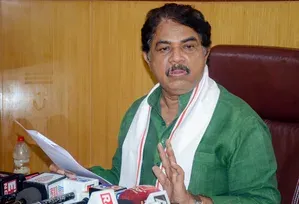
Earlier on Wednesday, Ashoka had alleged at a press conference that the ISWM project constituted a scam worth ₹36,500 crore, with kickbacks of ₹10,000 crore allegedly paid out. He alleged that the Congress-led government had steered the tender toward 'powerful companies,' displacing the local operators who had previously handled the work at various levels.
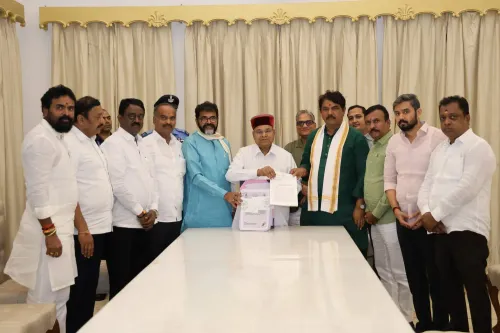
A BJP delegation led by Ashoka subsequently met Governor Thaawarchand Gehlot and submitted a memorandum demanding a Central Bureau of Investigation (CBI) probe and the dismissal of the state government over alleged large-scale financial impropriety.
Shivakumar's Counter on Legal History and Transparency
The Chief Minister alleged that BJP leader Aravind Limbavali had previously obstructed the transportation of waste, and that BJP legislators themselves had informed the government that waste management tenders had been stalled for nearly a decade due to repeated legal challenges.
'Every decision was taken to court. Ultimately, the court upheld the government's decision. Even after the court's approval, I constituted a committee and ordered a review. They are indulging in politics of jealousy because they cannot tolerate our transparency and style of governance,' he said.
Responding to questions about the BJP approaching the Governor, Shivakumar alleged that the opposition could not accept his elevation to the Chief Minister's post, adding: 'I know what is happening within their party and other parties as well. There may be pressures on them that are forcing them to make such statements.'
What Happens Next
With the BJP having formally sought a CBI inquiry and the matter now before the Governor, the ISWM controversy is set to intensify in the Karnataka Assembly. The government's openness to any investigation — as stated by Shivakumar — will be tested by whether it cooperates with or contests any formal probe mechanism that may follow.
Point of View
500 crore figure is a political opening salvo, not a forensic finding — and Shivakumar knows it. By going on the offensive and labelling Ashoka a 'garbage mafia agent,' he is trying to delegitimise the messenger before the message lands. But the CBI demand and the Governor's involvement raise the institutional stakes beyond a press conference spat. The deeper irony: both sides acknowledge that Bengaluru's waste management has been dysfunctional for a decade, with tenders repeatedly stalled in court. The real question is not who is corrupt, but why a city of this scale still lacks a functional solid waste system — and neither party has a clean record on that count.
NationPress
25 Oct 2026
Frequently Asked Questions
What is the Bengaluru ISWM tender scam alleged by the BJP?
The BJP has alleged that the Integrated Solid Waste Management (ISWM) project proposed for Bengaluru involves a scam worth ₹36,500 crore, with kickbacks of ₹10,000 crore allegedly paid to the Congress-led Karnataka government. Opposition leader R. Ashoka made the allegations at a press conference on 10 June and subsequently submitted a memorandum to the Governor seeking a CBI probe.
How did CM Shivakumar respond to the corruption charges?
Chief Minister D.K. Shivakumar dismissed the allegations as politically motivated, calling R. Ashoka an 'agent of the garbage mafia.' He said he had personally studied waste management models in Delhi, Hyderabad, and Chennai before proceeding with the project, and stated he was ready to face any inquiry if even ₹10 crore in misuse was found.
What action has the BJP taken beyond press conferences?
A BJP delegation led by R. Ashoka met Governor Thaawarchand Gehlot and submitted a memorandum demanding a CBI investigation and the dismissal of the Congress-led Karnataka government over alleged financial impropriety in the ISWM tender.
What is the government's plan for Bengaluru's waste management?
The Karnataka government plans to have private players invest around ₹6,000 crore in waste disposal infrastructure, with land secured at Doddaballapur and from Nandi Infrastructure Corridor Enterprises (NICE). The stated goal is to generate gas and electricity from waste. The government has also allocated ₹800 crore following legislators' demands to address waste management challenges.
Why has Bengaluru's waste management been a long-running issue?
According to Shivakumar, waste management tenders in Bengaluru were stalled for nearly a decade due to repeated legal challenges, with every decision taken to court. He noted that permissions were granted to 14–15 entities for waste-to-energy projects in the past, none of which succeeded, reflecting a systemic governance failure that predates the current government.