Will Shivakumar's Davos Trip Impact His CM Ambitions?
Synopsis
As D.K. Shivakumar's participation in Davos raises questions about his Chief Ministerial ambitions, Karnataka Congress faces a leadership crisis. This article delves into the power struggle between Shivakumar and Siddaramaiah, the implications for upcoming elections, and the challenges the party must navigate amidst growing factionalism.
Key Takeaways
The leadership struggle within Karnataka Congress poses risks for governance.
Shivakumar's Davos trip may not diminish his Chief Ministerial ambitions.
Upcoming elections in multiple states are critical for Congress.
Historical parallels exist with previous leadership crises in Rajasthan.
The High Command's indecision could lead to voter disillusionment.
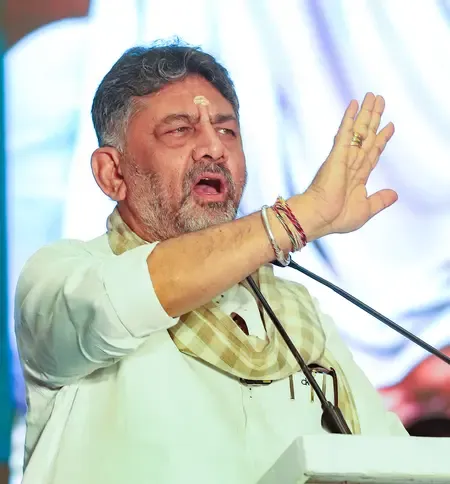
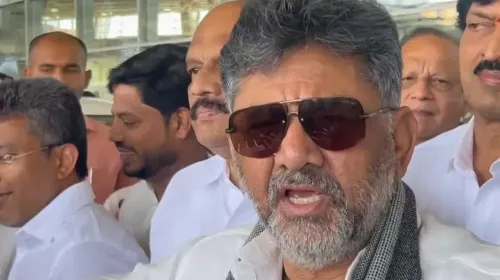
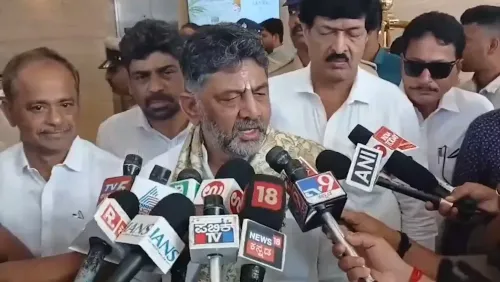
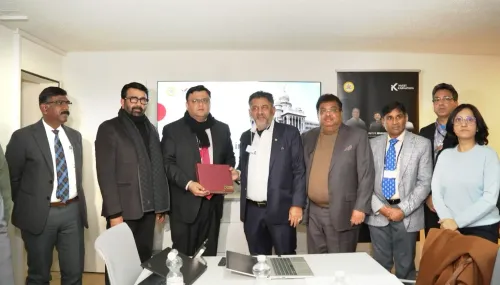
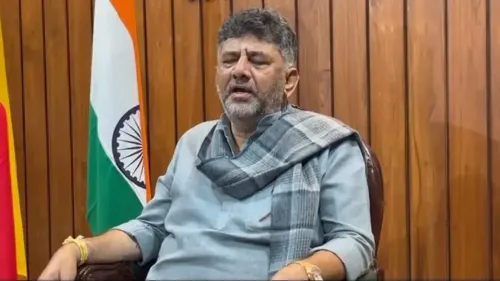
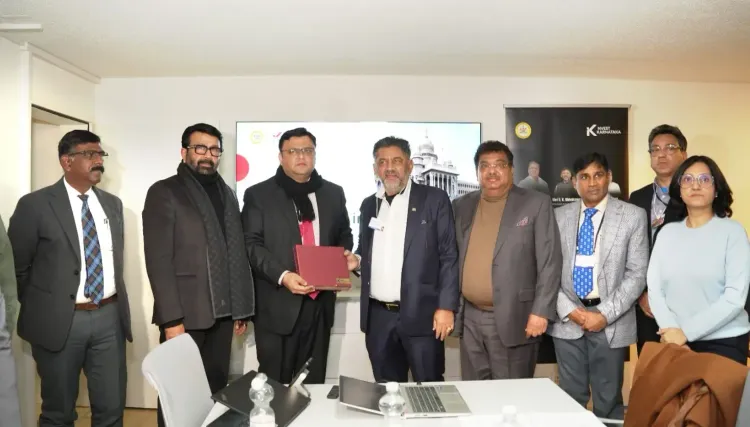
New Delhi, Jan 23 (NationPress) If anyone believed that convincing Karnataka Congress leader D.K. Shivakumar to attend the World Economic Forum in the frigid conditions of Davos would diminish his aspirations for the Chief Minister's position, they are mistaken. At most, it merely bought some time.
Furthermore, should there be any hopes that the party's central leadership will magically resolve tensions upon his return, such expectations might be misplaced.
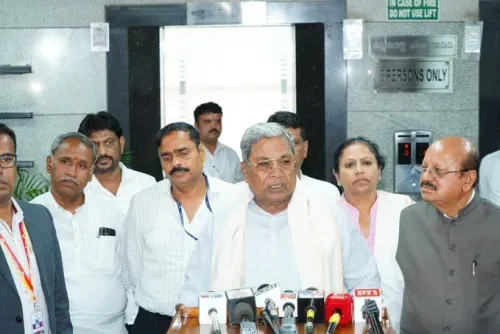
The Congress in Karnataka is embroiled in a critical leadership struggle between Chief Minister Siddaramaiah and Deputy CM Shivakumar, a conflict that is intensifying and jeopardizing governance and public confidence ahead of several state elections.
Upcoming high-stakes elections are anticipated in West Bengal, Assam, and the neighboring southern states of Tamil Nadu and Kerala, as well as in the union territory of Puducherry.
This ongoing crisis stems from a long-standing power-sharing agreement, rumored to be a 2.5-year rotation deal following Congress’s victory in 2023, which has resurfaced, with Shivakumar's faction advocating for a transition while Siddaramaiah insists on serving his complete term.
Shivakumar initially canceled and later rearranged his Davos trip amid discussions in Delhi with the central leadership, sparking speculation regarding the Deputy CM's ambitions and the indecision of the High Command. This scenario closely mirrors the previous situation in Rajasthan, where the Delhi leadership's hesitation in addressing a similar power struggle between then Chief Minister Ashok Gehlot and his deputy Sachin Pilot cost the Congress significantly in elections.
Both Gehlot and Siddaramaiah are experienced septuagenarian leaders, with the former reportedly enjoying broader support from MLAs during his tenure than Siddaramaiah currently does in Karnataka. Both have substantial followings and a history of effectively navigating electoral and political challenges, prompting New Delhi to manage them cautiously to avoid upsetting them.
In contrast, Shivakumar, at 63, and Sachin Pilot, at 48, are relatively younger. However, the Karnataka leader may feel a sense of urgency, as he has less time left to secure a significant position that many regional leaders aspire to. In both cases, the younger leaders have made persistent efforts to gain Rahul Gandhi's attention, but at least once, the Gandhi scion seemed preoccupied with other pressing matters than addressing organizational chaos.
The prolonged factionalism in Karnataka has led to numerous text exchanges, missed calls, and several trips between Bengaluru and New Delhi, along with multiple bilateral and multilateral meetings, including one on an airport tarmac, yet a resolution remains elusive. This unresolved conflict now threatens not only the stability of Congress in Karnataka but also its prospects in the forthcoming Assembly elections, diminishing trust in the party leadership.
The High Command's procrastination in resolving this issue is exacerbating factionalism, risking administrative stagnation and voter disinterest ahead of elections. Both Karnataka leaders have expressed readiness to abide by the central leadership's decision, yet the latter appears to be stalling.
Meanwhile, this indecision could allow opposition parties to capitalize on the situation at any moment, despite the ruling party holding 136 seats, with the support of four additional MLAs out of a total of 224 in the state Assembly.
While Congress President Mallikarjun Kharge has positioned himself as a mediator, he has stated that it will be contingent on the involvement and consent of the Gandhis. Some reports have suggested that a potential reason for the delay relates to the future of his son, Priyank Kharge, who is currently a minister in Karnataka.
Point of View
This situation highlights the challenges faced by the Congress party in Karnataka. While both leaders have shown commitment to their party, the ongoing factionalism could lead to significant electoral setbacks. As the party navigates these turbulent waters, it’s crucial for the central leadership to act decisively to maintain stability and voter confidence.
NationPress
20 Sept 2026
Frequently Asked Questions
What is the current leadership situation in Karnataka Congress?
The Karnataka Congress is facing a leadership battle between Chief Minister Siddaramaiah and Deputy CM D.K. Shivakumar, risking governance and party credibility.
How does Shivakumar's Davos trip impact his ambitions?
Shivakumar's participation in Davos has sparked speculation about his CM aspirations, but it may also serve to buy time amidst ongoing leadership tensions.
What is the significance of the upcoming elections?
High-stakes elections in states like West Bengal, Assam, Tamil Nadu, and Kerala are approaching, making the resolution of Karnataka's leadership crisis vital for Congress.
What historical precedent does this situation have?
The current power struggle echoes the previous Rajasthan crisis, where indecision by Delhi leadership led to electoral losses for Congress.
What role does the High Command play in this crisis?
The Congress High Command's delays in addressing the leadership issue are deepening factionalism and risking the party's stability ahead of elections.