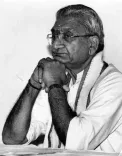
Shivraj Singh Chouhan Marks World Rivers Day with Conservation Pledge
Synopsis
On World Rivers Day 2026, Union Agriculture Minister Shivraj Singh Chouhan called for a national pledge to keep India's rivers clean and ever-flowing, linking river conservation to India's cultural and civilisational heritage.
Key Takeaways
World Rivers Day falls on the last Sunday of September each year; in 2026 that is 27 September .
Union Minister Shivraj Singh Chouhan extended greetings and urged Indians to pledge river conservation on the occasion.
Chouhan framed rivers as foundational to India's culture, civilisation, values, and society since 'time immemorial.' India's river conservation efforts trace back to the Ganga Action Plan of the 1980s , followed by the integrated Namami Gange programme launched in 2015 .
Riverine communities — including farmers and fisherfolk — remain the most directly affected stakeholders in river health.
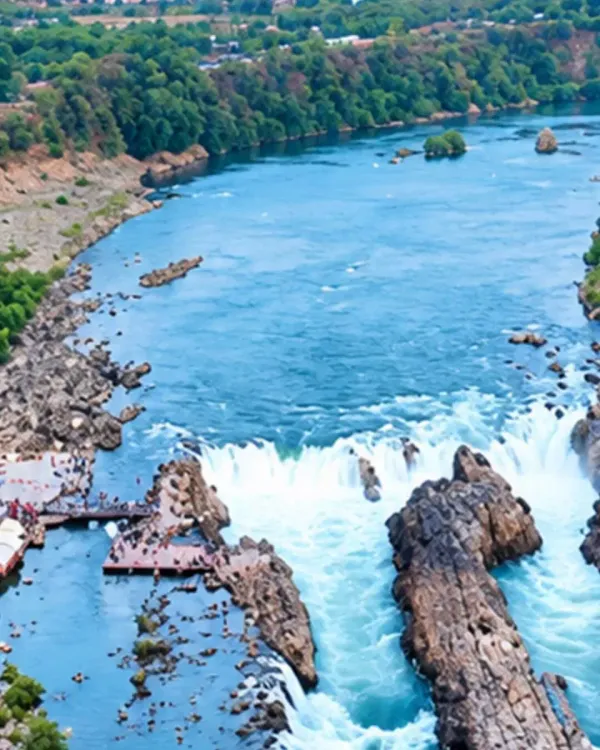
Rivers have shaped India's civilisations, fed its harvests, and anchored its sacred geography for millennia — and on World Rivers Day, Sunday, 27 September 2026, Union Agriculture Minister Shivraj Singh Chouhan called on every Indian to renew their commitment to keeping those arteries clean and perpetually flowing.
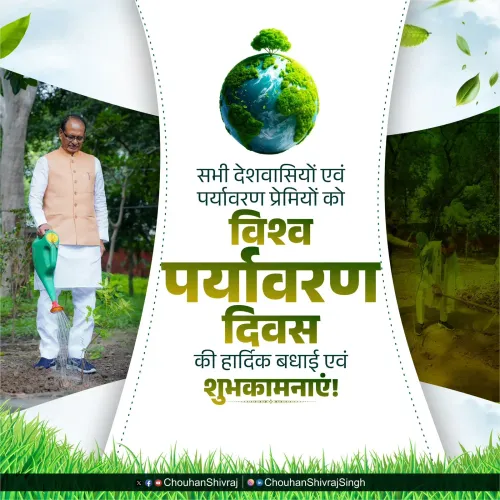
Posting in Hindi on X, Chouhan extended greetings to all on the occasion and invoked the river's place at the heart of Indian life: 'अनादिकाल से नदियाँ हमारी संस्कृति, सभ्यता, संस्कार और समाज को पल्लवित, पुष्पित और पोषित करती रही हैं' — 'Since time immemorial, rivers have nourished and enriched our culture, civilisation, values and society.' His closing line was a call to action: let us pledge on World Rivers Day to keep rivers clean and sadanira (ever-flowing), and to protect and promote them.
A Day Built Around Rivers Worldwide
World Rivers Day is observed annually on the last Sunday of September to raise global awareness about the ecological and cultural value of river systems and to galvanise conservation action. The day draws attention to threats facing rivers — encroachment, pollution, over-extraction of water, and industrial effluents — that have reduced many once-mighty waterways to seasonal or heavily contaminated streams.India's Long Fight to Revive Its Rivers
India's engagement with river conservation is not new. The Ganga Action Plan, launched in the 1980s, was among the earliest government-led efforts to curb pollution in a major river. Three decades later, the Namami Gange programme, launched in 2015, elevated river rejuvenation into an integrated national mission — covering sewage treatment, riverfront development, biodiversity conservation, and community participation along the entire Ganga basin. Similar, if smaller-scale, efforts have been extended to rivers across states. Yet the gap between pledge and outcome remains a live political and ecological debate. Riverine communities — farmers, fisherfolk, and millions who depend on river water for drinking and irrigation — continue to bear the sharpest consequences of degradation. For a minister whose portfolio covers agriculture and rural development, the condition of India's rivers is not merely an environmental abstraction; it directly determines the water available for irrigation, rural livelihoods, and food security.Culture as Conservation Argument
Chouhan's framing — linking rivers to sanskriti (culture), sabhyata (civilisation), and sanskar (values) — reflects a rhetorical tradition in Indian public life that positions river protection as an act of civilisational continuity, not just ecological management. This approach has proven politically resonant, particularly among voters in the Gangetic plain and river-dependent agricultural belts. Whether that cultural reverence translates into measurable conservation progress is the question that river-monitoring data will eventually answer.Point of View
The framing is strategically coherent: river health is inseparable from irrigation availability and rural livelihoods. However, the post makes no new policy announcement, which means its real measure will be whether it is backed by visible progress in existing schemes like Namami Gange. The gap between ceremonial pledges and on-the-ground river quality remains India's central challenge in this space.
NationPress
27 Sept 2026
Frequently Asked Questions
When is World Rivers Day celebrated?
World Rivers Day is observed on the last Sunday of September every year; in 2026 it falls on 27 September.
What did Shivraj Singh Chouhan say on World Rivers Day 2026?
Chouhan extended greetings and called on Indians to pledge, on the occasion of World Rivers Day, to keep rivers clean and perennially flowing, and to commit to their conservation and promotion.
What is the Namami Gange programme?
Namami Gange is an integrated river conservation mission launched by the Indian government in 2015 to rejuvenate the Ganga river basin, covering sewage treatment, biodiversity, and community participation.
Why are rivers important to India's agriculture?
Rivers are the primary source of irrigation water for millions of Indian farmers; their health directly determines water availability for crops, rural livelihoods, and food security.
What does 'sadanira' mean in the context of rivers?
'Sadanira' is a Sanskrit-rooted Hindi word meaning 'ever-flowing' or 'perennially flowing' — referring to rivers that carry water throughout the year, not just during monsoon.