Why is the ECI Directing Hearings to Be Held Only at DM Offices in Bengal?
Click to start listening
Synopsis
In a significant directive, the Election Commission of India has mandated that hearings for claims and objections during the Special Intensive Revision can only take place at District Magistrates' offices. This ensures greater oversight and transparency in the electoral process, critical ahead of upcoming Assembly elections. Read on for detailed insights into this crucial development.
Key Takeaways
- Hearings on claims and objections will only take place at District Magistrates' offices.
- The ECI mandates webcasting of all hearings for transparency.
- District Magistrates and electoral officers are instructed to ensure compliance with these directives.
- The draft voters' list will be published on December 16.
- The second stage will follow, involving claims and objections.
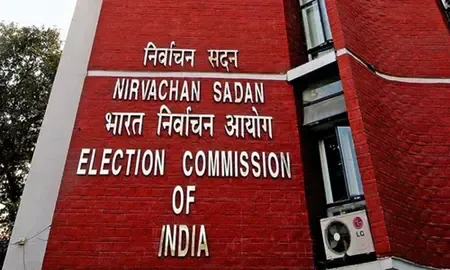
Kolkata, Dec 11 (NationPress) The Election Commission of India (ECI) has instructed the Chief Electoral Officer (CEO) of West Bengal to solely hold hearings regarding claims and objections during the second phase of the three-part Special Intensive Revision (SIR) at the offices of the District Magistrates, who also serve as the District Electoral Officers.
According to sources within the CEO's office, the Commission has mandated that these hearings must not take place at block development offices or panchayat offices under any circumstances.
Furthermore, the ECI has made it compulsory for these hearings to be webcast, with the recordings to be preserved. In compliance with the ECI's directives, all district magistrates and district electoral officers have been instructed to ensure that necessary arrangements are made accordingly, confirmed sources.
The specially appointed roll observers for the state have received advisories from the Commission to remain vigilant to guarantee that hearings are conducted strictly at the District Magistrates' offices.
The deadline for the submission and digitization of enumeration forms is Thursday. The draft voters' list is set to be released on December 16, marking the conclusion of the first phase of the three-stage SIR process in the state.
Post the release of the draft voters' list, the second phase will commence, involving the submission of claims and objections, along with the notice phase — which includes issuing, hearing, verifying, and deciding on enumeration forms, as well as resolving claims and objections. This will be managed concurrently by the Electoral Registration Officers (EROs).
Following the completion of the second stage, the third and final phase will involve the publication of the final electoral roll. The ECI is anticipated to announce the dates for the vital Assembly elections soon after the final electoral roll is released.
The ECI had previously expressed strong disappointment regarding the lack of proposals from district magistrates and DEOs in identifying private housing complexes with multiple high-rise towers suitable for setting up polling booths for the forthcoming Assembly elections scheduled next year.
The Commission has also instructed that, following the draft publication of the Electoral Roll on December 16, all DEOs must conduct an immediate survey of high-rise buildings, group housing societies, resident welfare association (RWA) colonies, slums, and gated communities with a minimum of 250 houses or 500 voters. They are to provide details about available ground floor rooms and identify suitable locations for polling stations within these premises.
Point of View
It is essential to recognize that the Election Commission's directive reflects a commitment to electoral integrity in West Bengal. By consolidating hearings at District Magistrates' offices, the ECI aims to bolster oversight and ensure fair practices in the upcoming elections, a move that resonates with the democratic ethos of our nation.
NationPress
11/12/2025
Frequently Asked Questions
What is the Special Intensive Revision (SIR)?
The Special Intensive Revision (SIR) is a process initiated by the Election Commission to update and revise electoral rolls, ensuring that they reflect accurate and current voter information.
Why are hearings being held at District Magistrates' offices?
Hearings are mandated at District Magistrates' offices to ensure greater oversight and prevent any irregularities, thereby enhancing the transparency of the electoral process.
What is the significance of webcasting the hearings?
Webcasting the hearings allows for real-time public access, ensuring transparency and accountability during the claims and objections process.
When will the draft voters' list be published?
The draft voters' list is scheduled to be published on December 16, marking the end of the first stage of the SIR process.
What happens after the publication of the draft voters' list?
Following the draft publication, the second stage of the SIR process will commence, involving the filing of claims and objections, which will be managed by Electoral Registration Officers.