Six minor girls rescued from prostitution racket in Jhalawar, Rajasthan
Synopsis
Rajasthan Police dismantled a child prostitution racket hidden inside traditional 'dera' settlements in Jhalawar, rescuing six girls as young as 12 — with their own mothers among those arrested. Medical evidence confirmed repeated abuse and STIs in multiple victims, while forensic DNA reports in four cases strengthen what investigators are calling a systematic, family-enabled trafficking network.
Key Takeaways
Rajasthan Police rescued six minor girls aged 12 to 17 from a prostitution racket in Bhawanimandi, Jhalawar on 7 November 2026 .
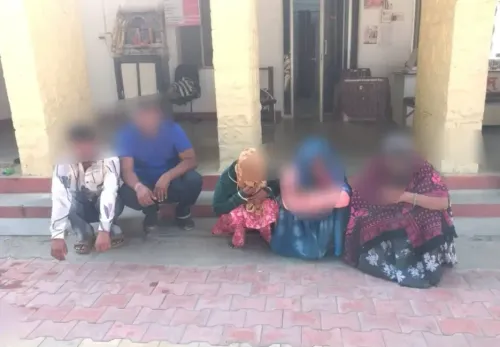
Five accused , including mothers of some victims and alleged middlemen, were arrested and placed on a three-day remand .
Medical examinations confirmed five of the six girls had suffered repeated sexual abuse; two were diagnosed with sexually transmitted infections.
Forensic DNA evidence was found in four cases , with the FSL submitting its report within 24 hours .
An SIT led by IPS officer Ayush Shrotriya used undercover operatives and spy cameras to gather evidence before raids by 100+ personnel in 15 teams .
Cases registered under the Immoral Traffic (Prevention) Act and POCSO Act ; rescued girls shifted to a shelter home for rehabilitation.
The Rajasthan Police have dismantled a prostitution racket operating under the cover of traditional settlements, known locally as deras, in the Bhawanimandi area of Jhalawar district, rescuing six minor girls aged between 12 and 17 years. The operation, carried out on 7 November 2026, exposed the alleged complicity of family members — including mothers of some victims — in trafficking their own daughters, according to officials.
How the Operation Unfolded
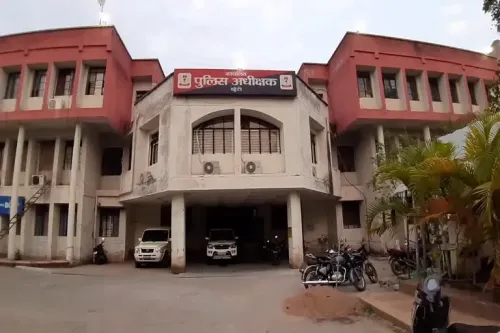
The investigation was initiated after a confidential complaint was received on 7 October, according to Superintendent of Police (SP) Amit Budhania. Preliminary findings suggested that families living in settlements in the Bhawanimandi area were allegedly forcing their minor daughters into prostitution under the garb of traditional customs.
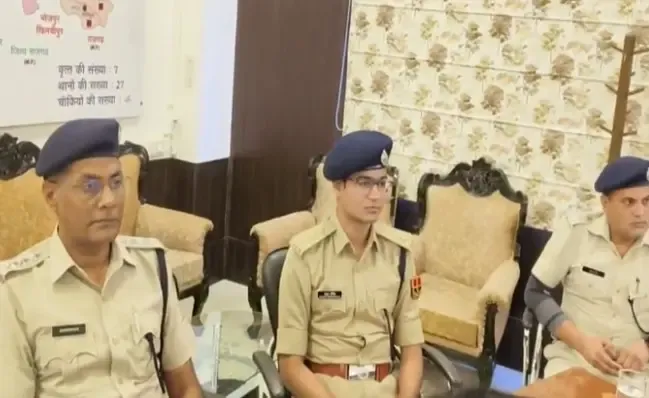
Following the complaint, police constituted a Special Investigation Team (SIT) led by probationary IPS officer Ayush Shrotriya. SIT members Rahul Samaria and Chandrashekhar were reportedly deployed undercover inside the settlements, equipped with spy cameras. The covert operation is said to have captured digital evidence of financial transactions linked to the racket.
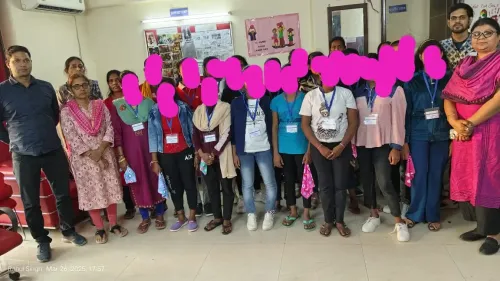
Armed with this evidence, police mobilised more than 100 personnel across 15 teams to conduct simultaneous raids on the settlements, during which all six minors were rescued.
Medical and Forensic Findings
Medical board examinations confirmed that five of the six rescued girls had been subjected to repeated sexual abuse. Two of them were also found to be suffering from sexually transmitted infections (STIs).
A Forensic Science Laboratory (FSL) team collected evidence from the raided locations and seized a substantial quantity of incriminating material. Forensic analysis detected male DNA in samples from the investigation, with reports in four cases confirming the presence of mixed male DNA. According to the police, the FSL submitted its findings within 24 hours of collection.
Charges Filed and Accused in Custody
Police have registered a case under Sections 3, 4 and 5 of the Immoral Traffic (Prevention) Act and Sections 5/6, 11/12 and 17 of the Protection of Children from Sexual Offences (POCSO) Act. Five people, including the mothers of some of the rescued girls and alleged middlemen, have been arrested. All five are in police custody on a three-day remand for further interrogation.
Rehabilitation and Investigation Ahead
The six rescued girls have been placed in a government-run girls' shelter home for protection and rehabilitation. Investigators are working to establish the full extent of the network and identify any additional individuals involved in the exploitation and trafficking of the minors. This case underscores a disturbing pattern in which familial and community structures are exploited to perpetuate child trafficking — a challenge that child rights advocates say requires sustained systemic intervention beyond individual arrests.
Point of View
But its architecture — families, specifically mothers, allegedly functioning as the first layer of a trafficking network. This is not an isolated aberration; child rights organisations have long flagged that dera-style settlement structures in parts of Rajasthan carry a historical vulnerability to intergenerational trafficking. The swift FSL turnaround and DNA evidence are operationally significant, but the real test will be whether the investigation reaches beyond the five arrested to dismantle demand-side networks. Prosecutions in similar cases have frequently stalled at the recruitment layer, leaving exploiters untouched.
NationPress
7 Nov 2026
Frequently Asked Questions
What happened in the Jhalawar child prostitution case in Rajasthan?
Rajasthan Police busted a child prostitution racket operating inside traditional 'dera' settlements in Bhawanimandi, Jhalawar, rescuing six minor girls aged 12 to 17. Five people, including the mothers of some victims and alleged middlemen, were arrested on 7 November 2026.
How did police uncover the racket in Bhawanimandi?
The investigation began after a confidential complaint was received on 7 October. An SIT deployed undercover officers with spy cameras inside the settlements to capture digital evidence of transactions. Over 100 personnel then conducted simultaneous raids across 15 teams, leading to the rescues.
What do the medical and forensic findings reveal?
Medical board examinations confirmed that five of the six rescued girls had been subjected to repeated sexual abuse, and two were diagnosed with sexually transmitted infections. Forensic analysis detected mixed male DNA in four cases, strengthening the evidence of sexual exploitation.
What charges have been filed in the Jhalawar case?
Police have registered a case under Sections 3, 4 and 5 of the Immoral Traffic (Prevention) Act and Sections 5/6, 11/12 and 17 of the POCSO Act. All five accused are in custody on a three-day remand.
What is happening to the rescued girls?
All six rescued minors have been shifted to a government-run girls' shelter home for protection and rehabilitation. The investigation is ongoing to identify the full extent of the network and any additional accused.