Smriti Irani Welcomes BJP National President to UP
Synopsis
BJP leader Smriti Irani on 4 July 2026 extended a formal welcome to the BJP National President visiting Uttar Pradesh, invoking the holy cities of Ayodhya, Mathura, and Varanasi in a Hindi post on X.
Key Takeaways
Smriti Irani welcomed the BJP National President to Uttar Pradesh on 4 July 2026 via a post on X.
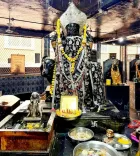
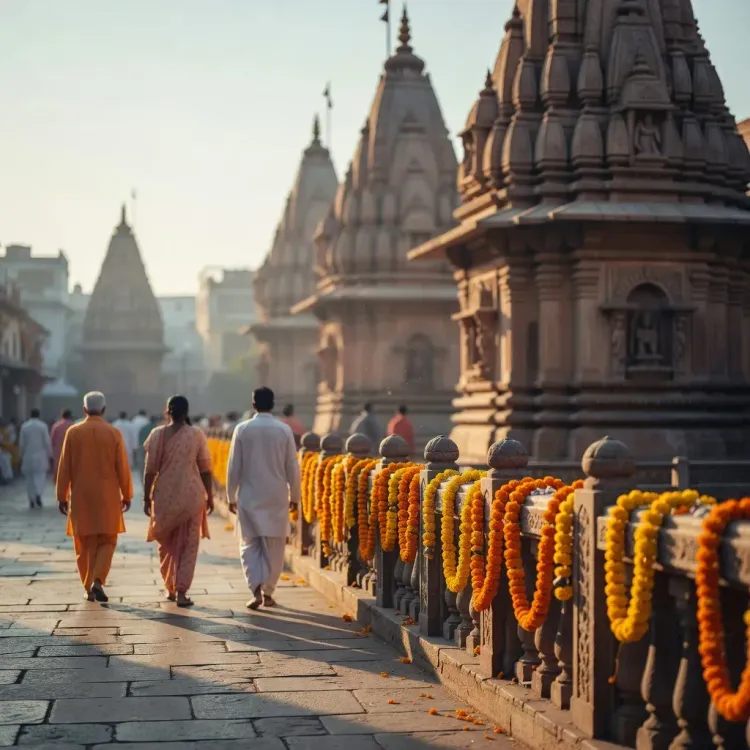
The welcome invoked three major Hindu pilgrimage cities: Ayodhya (Ram), Mathura (Krishna), and Varanasi (Baba Vishwanath).
The Ram Temple at Ayodhya was consecrated in January 2024 ; the Kashi Vishwanath Corridor in Varanasi was inaugurated in December 2021 .
BJP-governed Uttar Pradesh has consistently framed these pilgrimage sites within its cultural and infrastructure development agenda.
The exact purpose and schedule of the BJP National President's visit to UP has not been officially confirmed.
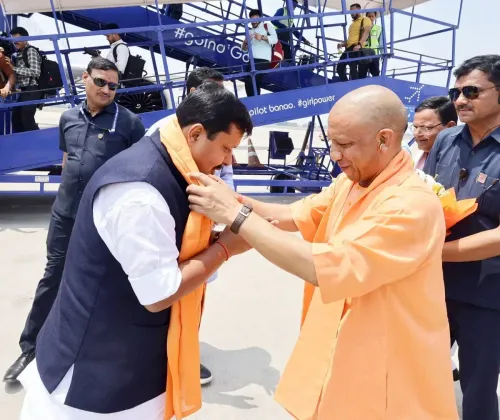
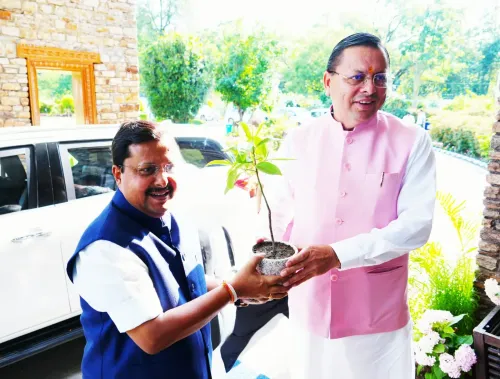
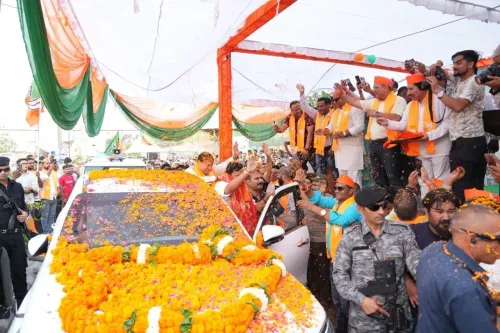
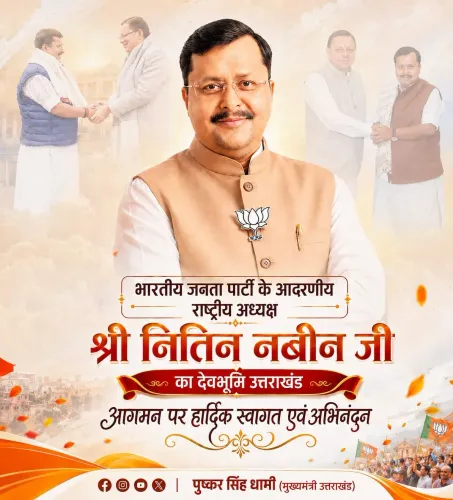
BJP leader Smriti Irani on Saturday, 4 July 2026, extended a formal welcome to the BJP National President on his visit to Uttar Pradesh, invoking the sacred land of Prabhu Shri Ram, Shri Krishna, and Baba Vishwanath in a post on X.
In her post, Irani wrote in Hindi: 'प्रभु श्रीराम, श्रीकृष्ण और बाबा विश्वनाथ की पावन धरा उत्तर प्रदेश में आपका हार्दिक स्वागत एवं अभिनंदन है, माननीय राष्ट्रीय अध्यक्ष जी।' — translating to: 'A heartfelt welcome and felicitation to you, respected National President, on the sacred land of Uttar Pradesh — the land of Prabhu Shri Ram, Shri Krishna, and Baba Vishwanath.'
Context
The post greets the BJP National President upon his arrival in Uttar Pradesh, one of India's most politically consequential states and a BJP stronghold. The invocation of three of Hinduism's most revered figures — Ram of Ayodhya, Krishna of Mathura, and Baba Vishwanath of Varanasi — frames the state as a land of deep religious significance.
Such public welcomes by senior party leaders serve as visible demonstrations of party solidarity and are a common feature of BJP political culture, particularly when the national leadership visits a key state.
Policy Backdrop
The three cities referenced carry both religious and political weight under the BJP's governance framework. Ayodhya was the site of the Ram Temple consecration in January 2024, following a Supreme Court verdict and construction overseen by a government-supported trust. Varanasi saw the inauguration of the Kashi Vishwanath Corridor in December 2021, a large-scale redevelopment project to improve pilgrim access to the Kashi Vishwanath Temple.
Mathura, revered as the birthplace of Lord Krishna, has similarly been part of the state's religious tourism development agenda. Together, these sites anchor BJP-ruled Uttar Pradesh's identity as a centre of Hindu cultural revival and infrastructure-led pilgrimage promotion.
Stakeholders and Impact
The welcome message is directed at BJP workers, party leadership, and the broader base of supporters in Uttar Pradesh, reinforcing party cohesion ahead of any state-level engagements the National President may undertake. For the millions of pilgrims who visit Ayodhya, Mathura, and Varanasi annually, the political attention on these cities has translated into sustained infrastructure investment and increased national visibility.
Senior leaders publicly associating party presence with these pilgrimage centres continues an established pattern of linking political visits with cultural and religious identity.
What's Next
The schedule of the BJP National President's engagements in Uttar Pradesh — including any meetings with state leadership, party workers, or announcements related to pilgrimage corridor development — will be closely watched. Any parallel policy or organisational announcements during the visit could signal the party's priorities for the state in the coming months.
Point of View
Mathura, and Varanasi is not incidental; it reflects the BJP's sustained effort to anchor its political identity in UP's religious geography. This pattern, visible since at least the Kashi Vishwanath Corridor inauguration in 2021 and the Ram Temple consecration in 2024, signals that cultural-religious messaging remains central to how the party presents itself in its most important state. The visit, whatever its organisational purpose, is being publicly positioned within a framework of civilisational continuity and BJP stewardship of sacred heritage.
NationPress
3 Oct 2026
Frequently Asked Questions
Why did Smriti Irani welcome the BJP National President to Uttar Pradesh?
Smriti Irani extended a public welcome on X as the BJP National President arrived in Uttar Pradesh, a standard practice among senior BJP leaders during high-profile party visits to the state.
Which cities did Smriti Irani reference in her welcome post?
She referenced Ayodhya (associated with Lord Ram), Mathura (associated with Lord Krishna), and Varanasi (home to the Kashi Vishwanath Temple dedicated to Baba Vishwanath).
What is the significance of Ayodhya, Mathura, and Varanasi for the BJP?
All three cities are major Hindu pilgrimage centres in BJP-governed Uttar Pradesh. The Ram Temple in Ayodhya was consecrated in January 2024 and the Kashi Vishwanath Corridor in Varanasi was inaugurated in December 2021 — both flagship projects under BJP rule.
Who is Smriti Irani?
Smriti Irani is a senior BJP leader and former Union Minister who held portfolios including Women and Child Development and Minority Affairs.
What is the BJP National President's role?
The BJP National President is the national-level head of the Bharatiya Janata Party, responsible for party organisation, strategy, and coordination across all states.