Sonowal hails PM Modi's Manila Gurudwara visit as cultural diplomacy
Synopsis
Union Minister Sarbananda Sonowal praised PM Narendra Modi's visit to Gurudwara Khalsa Diwan in Manila as an expression of India's Sarva Dharma Sambhava ethos, highlighting the role of Sikh Gurus' teachings of seva, sacrifice and spiritual harmony in India's cultural diplomacy abroad.
Key Takeaways
PM Narendra Modi visited Gurudwara Khalsa Diwan in Manila, Philippines , a significant Sikh place of worship serving the local Indian diaspora.
Union Minister Sarbananda Sonowal described the visit as reflecting India's principle of Sarva Dharma Sambhava — equal respect and harmony among all faiths.
Sonowal characterised the visit as a 'humble and heartfelt tribute' to the Sikh Gurus and their teachings of seva , sacrifice, and spiritual harmony.
The visit fits a broader pattern of Indian leaders using religious and cultural site visits abroad for diaspora outreach and soft-power diplomacy.
The Philippines maintains people-to-people and trade ties with India, and diaspora-focused gestures add emotional depth to the bilateral relationship.
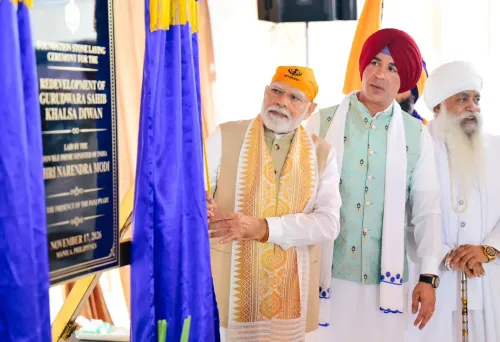
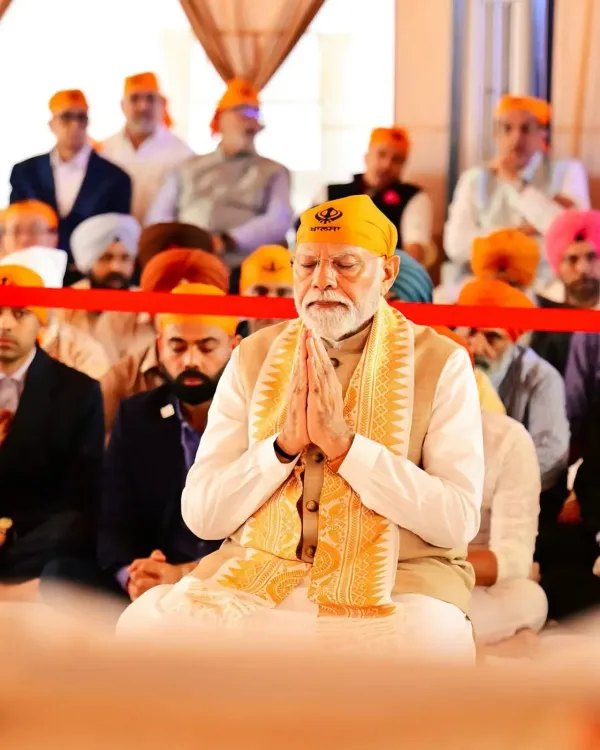
A Sikh shrine in the Philippine capital became a quiet but powerful symbol of India's global cultural reach on Tuesday, November 17, 2026, as Union Minister of Ports, Shipping and Waterways Sarbananda Sonowal praised Prime Minister Narendra Modi's visit to Gurudwara Khalsa Diwan in Manila as a living expression of India's age-old principle of Sarva Dharma Sambhava — the harmony of all faiths.
Modi at Manila's Khalsa Diwan: what the visit signals
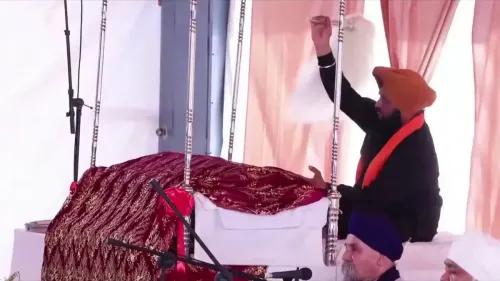
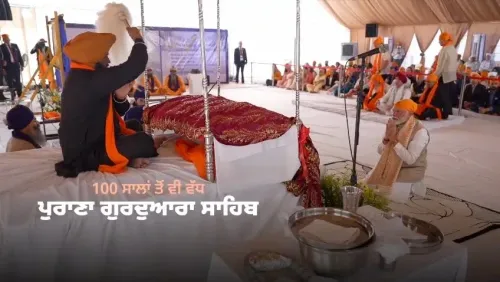
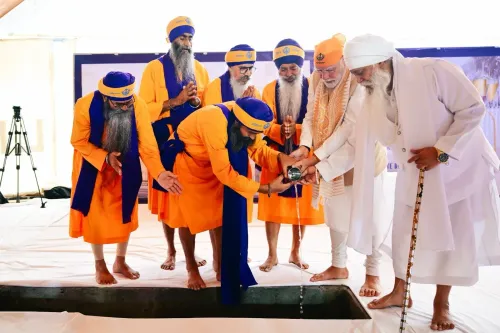
Sonowal, sharing photographs from the visit, described it as 'a humble and heartfelt tribute to the Sikh Gurus, whose eternal message of seva, sacrifice and spiritual harmony continues to inspire the world.' The Gurudwara Khalsa Diwan is a cornerstone of Manila's Indian diaspora community, serving Sikhs who have made the Philippines home over generations. A sitting Prime Minister stepping into that space carries weight that goes well beyond the ceremonial.
The gesture fits a well-established pattern in Indian diplomatic practice. Senior leaders routinely visit religious and cultural sites during overseas trips — not just as acts of personal faith, but as deliberate signals to diaspora communities that New Delhi sees them, values them, and considers them part of India's extended story abroad.
Sarva Dharma Sambhava and the architecture of diaspora diplomacy
The phrase Sarva Dharma Sambhava — broadly translated as 'all religions are equal' or 'equal respect for all faiths' — is a recurring touchstone in Indian public life, invoked by leaders across the political spectrum when emphasising interfaith coexistence. By anchoring the Manila visit in that philosophy, Sonowal frames it not as a partisan act but as a civilisational one: India speaking to the world through its plurality.
The Sikh Gurus' teachings on seva (selfless service) and sacrifice carry a universal resonance that travels well in multilateral diplomacy. Southeast Asia, with its layered histories of Indian cultural and mercantile influence, is fertile ground for exactly this kind of soft-power projection. The Philippines maintains active trade and people-to-people ties with India, and moments like a gurudwara visit add emotional texture to what are otherwise largely transactional bilateral relationships.
What Sonowal's amplification adds to the moment
It is worth noting that the message here is not just Modi's — it is Sonowal's deliberate choice to amplify it. As a senior BJP leader and former Chief Minister of Assam, a state with its own complex mosaic of faiths and ethnicities, Sonowal lending his voice to this moment carries a specific resonance. His framing — 'timeless ethos,' 'eternal message' — consciously lifts the visit out of day-to-day politics and into the register of civilisational pride.
Whether the Manila trip yields concrete bilateral deliverables for India and the Philippines will be the harder test. But in the grammar of modern diplomacy, the image of a Prime Minister bowing at a Sikh shrine in Southeast Asia is itself a deliverable — a message sent to the diaspora, to the host nation, and to a watching region.
Point of View
Diaspora engagement, and a universally accessible message of interfaith harmony — all compressed into a single visual moment. Sonowal's amplification of the visit through the lens of Sarva Dharma Sambhava is a conscious effort to frame BJP governance as civilisationally inclusive rather than narrowly majoritarian, a framing that travels especially well in multicultural Southeast Asian contexts. The Philippines stop, if it generates bilateral momentum beyond the ceremonial, could become a template for deeper India-ASEAN people-to-people diplomacy. The real question is whether the emotional capital built in moments like this gets converted into durable institutional ties.
NationPress
17 Nov 2026
Frequently Asked Questions
Which Gurudwara did PM Modi visit in Manila?
PM Modi visited Gurudwara Khalsa Diwan in Manila, Philippines , a Sikh place of worship that serves the local Indian diaspora community.
What is Sarva Dharma Sambhava?
Sarva Dharma Sambhava is an Indian philosophical principle meaning equal respect and harmony for all faiths. It is frequently invoked by Indian leaders to emphasise interfaith coexistence and pluralism.
Why did Sarbananda Sonowal react to PM Modi's Philippines visit?
As a senior BJP leader and Union Minister, Sonowal praised the visit to highlight India's cultural diplomacy and the universal relevance of Sikh Gurus' teachings of seva, sacrifice and spiritual harmony.
What is the significance of India's diaspora diplomacy in Southeast Asia?
Southeast Asian nations like the Philippines host historic Indian communities, and visits to diaspora religious sites help Indian leaders build emotional and political goodwill while reinforcing people-to-people ties alongside formal trade and bilateral relations.
What are the teachings of the Sikh Gurus referenced in Sonowal's post?
Sonowal referenced the Sikh Gurus' messages of seva (selfless service), sacrifice, and spiritual harmony — values widely regarded as universal and frequently cited in Indian diplomatic and cultural discourse.