Sonowal Inaugurates SMFCL Office, India's First Maritime NBFC
Synopsis
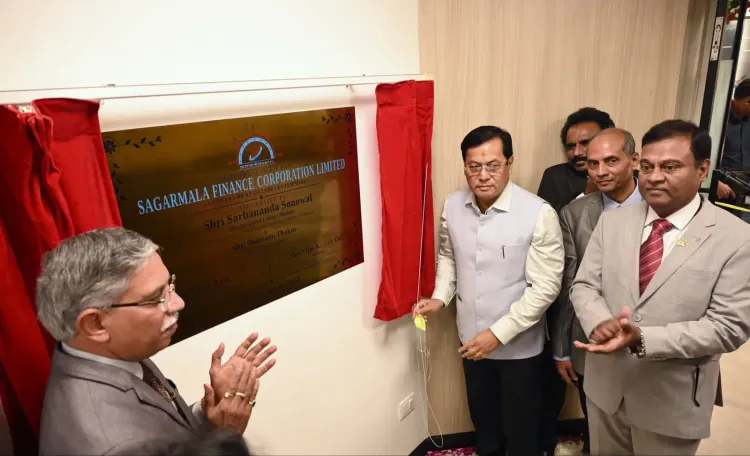
Union Minister Sarbananda Sonowal inaugurated the corporate office of Sagarmala Finance Corporation Limited at ISID, New Delhi — India's first dedicated maritime NBFC, created to channel long-term finance into port development, shipbuilding and coastal connectivity under Maritime Amrit Kaal Vision 2047.
Key Takeaways
Sagarmala Finance Corporation Limited (SMFCL) is India's first NBFC exclusively focused on the maritime sector.
The corporate office was inaugurated at the Institute for Studies in Industrial Development (ISID), New Delhi on October 23, 2026 .
SMFCL is designed to mobilise long-term finance for port-led development, shipbuilding and coastal connectivity.
The institution builds on the Sagarmala Project (2015) and Maritime India Vision 2030 (2021) policy lineage.
It operates under the Maritime Amrit Kaal Vision 2047 framework, PM Modi's roadmap for a globally competitive Indian maritime economy.
Key beneficiaries include port developers, coastal logistics firms and the domestic shipbuilding industry .
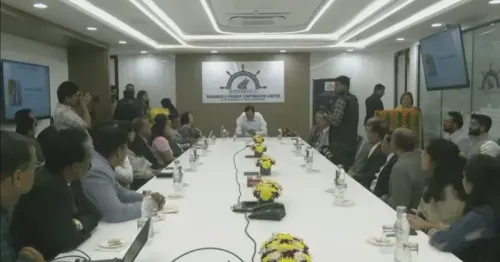
India's maritime financing ambitions got a permanent address on Friday, October 23, 2026, when Union Minister of Ports, Shipping and Waterways Sarbananda Sonowal inaugurated the corporate office of Sagarmala Finance Corporation Limited (SMFCL) at the Institute for Studies in Industrial Development (ISID) in New Delhi — marking a structural milestone for a sector long starved of dedicated long-term capital.
Why a dedicated maritime NBFC is a big deal
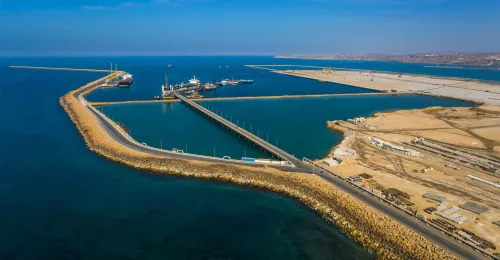
India has ports, shipyards and a coastline stretching over 7,500 kilometres. What it has historically lacked is a financial institution purpose-built to fund them. SMFCL is India's first Non-Banking Financial Company (NBFC) exclusively focused on the maritime sector, designed to mobilise long-term finance for port-led development, shipbuilding and coastal connectivity — capital-intensive verticals that commercial banks have traditionally underweighted because of long gestation periods and complex risk profiles.
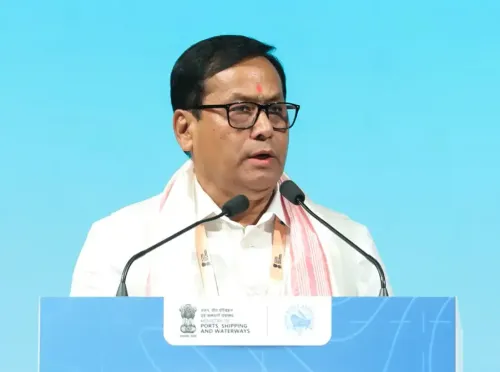
Minister Sonowal described the corporation as 'playing a pivotal role in mobilising long-term finance for port-led development, enhancing shipbuilding and coastal connectivity and catalysing the overall growth of our maritime economy.' The framing is deliberate: SMFCL is not just a lender, it is meant to be a catalyst.
From Sagarmala 2015 to Maritime Amrit Kaal Vision 2047
The institution has deep policy roots. The Sagarmala Project, launched in 2015, set the template — port-led industrialisation, coastal economic zones, and inland waterway integration. Maritime India Vision 2030, released in 2021, sharpened that blueprint with specific investment and capacity targets. The Maritime Amrit Kaal Vision 2047, the current overarching framework under Prime Minister Narendra Modi, extends that arc to India's centenary year — a self-reliant, globally competitive maritime power.
SMFCL sits at the intersection of all three: the financial architecture that converts vision documents into funded projects. The choice of ISID — a research-oriented institution — as the host address is itself a signal that policy thinking and project financing are meant to operate in the same room.
What port developers and shipbuilders are watching
For port developers, coastal logistics firms and the domestic shipbuilding industry, the operative question is how quickly SMFCL's lending windows open and at what terms. India has set ambitious targets to grow its shipbuilding market share globally — a goal that requires not just orders but access to patient, competitive capital that can match the tenor of a vessel's construction and operational cycle. A dedicated NBFC with a sovereign-backed mandate changes that calculus meaningfully.
The Atmanirbhar Bharat thread runs explicitly through this initiative: domestic shipbuilding, reduced import dependence for maritime assets, and coastal trade as a pressure valve for overtaxed road and rail networks.
India now has the institution. The next test is the pipeline of projects it finances — and how fast that capital moves from New Delhi's policy corridors to the country's working waterfronts.
Point of View
Filling a structural gap that generic banking channels could not. The alignment of SMFCL with Maritime Amrit Kaal Vision 2047 signals a long investment horizon, but the real political test will be whether the NBFC can sanction and disburse at the scale required to move India's shipbuilding market share needle before 2030 targets come due.
NationPress
23 Oct 2026
Frequently Asked Questions
What is Sagarmala Finance Corporation Limited (SMFCL)?
SMFCL is India's first dedicated Non-Banking Financial Company (NBFC) in the maritime sector, set up to mobilise long-term finance for port-led development, shipbuilding and coastal connectivity.
Where is the SMFCL corporate office located?
The SMFCL corporate office is located at the Institute for Studies in Industrial Development (ISID) in New Delhi, inaugurated on October 23, 2026.
What is Maritime Amrit Kaal Vision 2047?
Maritime Amrit Kaal Vision 2047 is Prime Minister Narendra Modi's long-term framework to build a self-reliant, globally competitive Indian maritime sector by India's centenary year of independence.
What is the Sagarmala Project?
Launched in 2015, the Sagarmala Project is a flagship central government scheme aimed at port-led industrialisation, coastal economic zones and inland waterway development across India.
Why does India need a dedicated maritime NBFC?
Maritime projects like ports and shipbuilding require large, patient capital over long tenors that commercial banks have historically been reluctant to provide. A dedicated NBFC like SMFCL is structured to bridge that financing gap.