Delimitation Bill 2026: SP whips Lok Sabha MPs to vote against
Synopsis
The Samajwadi Party has drawn a hard line: every Lok Sabha MP must attend and vote against the Delimitation Bill that could expand the House from 543 to around 850 seats. Akhilesh Yadav accused the BJP of caring more about constituency boundaries than the country's borders, setting up a fiery four-day special session.
Key Takeaways
The Samajwadi Party issued a three-line whip directing all its Lok Sabha MPs to attend and vote against the delimitation-related bills.
Parliament's special session runs from 30 November to 3 December 2026 ; Arjun Ram Meghwal will introduce the revised Delimitation Bill on day one.
The SP will oppose the Constitution (132nd Amendment) Bill , the Delimitation (Second) Bill and the Union Territories Laws (Amendment) (Second) Bill, 2026 .
The legislation could expand the Lok Sabha from 543 to around 850 seats, reportedly frozen until 2051 .
Akhilesh Yadav said on X that the BJP cares about constituency boundaries, not the country's borders.
The Samajwadi Party (SP) has issued a three-line whip to all its Lok Sabha MPs, directing them to attend every day of Parliament's special session and vote against the government's Delimitation Bill and the linked Constitution Amendment Bill. The session runs from 30 November to 3 December 2026 in New Delhi. The move sets up a direct floor confrontation over legislation that could expand the lower House from 543 to around 850 seats.
Key Developments
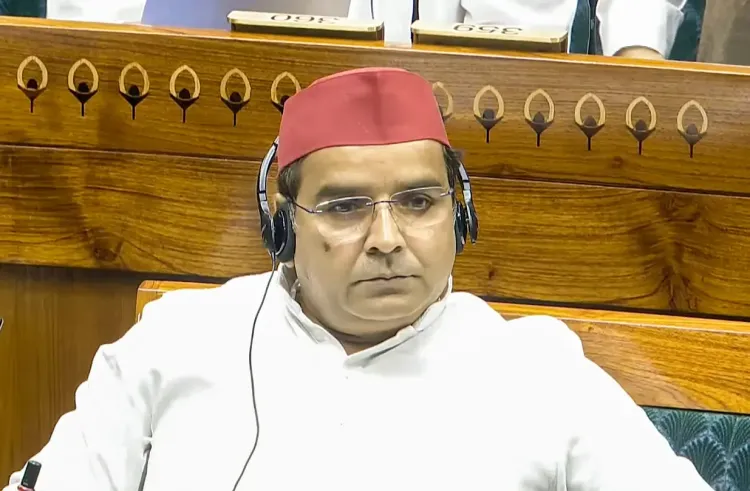
The whip was issued by SP Chief Whip Dharmendra Yadav to all party members in the Lok Sabha. It makes attendance mandatory for the full session.
The party will oppose three pieces of legislation:
- the Constitution (One Hundred and Thirty-Second Amendment) Bill, 2026
- the Delimitation (Second) Bill, 2026
- the Union Territories Laws (Amendment) (Second) Bill, 2026
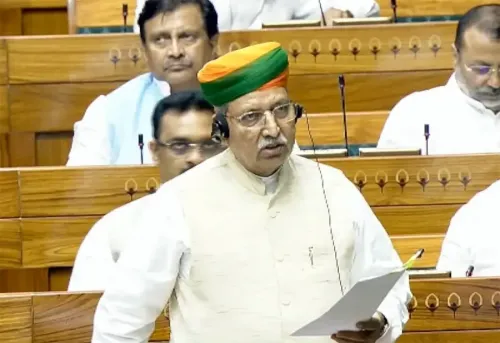
Union Minister of State for Parliamentary Affairs Arjun Ram Meghwal is scheduled to introduce the revised Delimitation Bill, 2026, in the Lok Sabha on Monday, 30 November, the opening day of the session.
The whip read: “A special session of Parliament is scheduled to commence on Monday, November 30, 2026, and is proposed to continue until Thursday, December 3, 2026. During this session, the government intends to introduce the Constitution (One Hundred and Thirty-Second Amendment) Bill, 2026; the Delimitation (Second) Bill, 2026; and the Union Territories Laws (Amendment) (Second) Bill, 2026. Accordingly, all Samajwadi Party members in the Lok Sabha are directed to remain present in the House for the entire duration of the session and to vote against these Bills.”
Akhilesh Yadav's Attack on the BJP
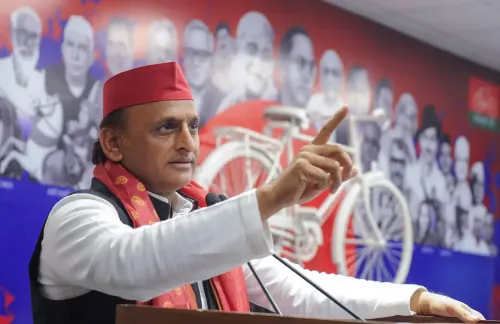
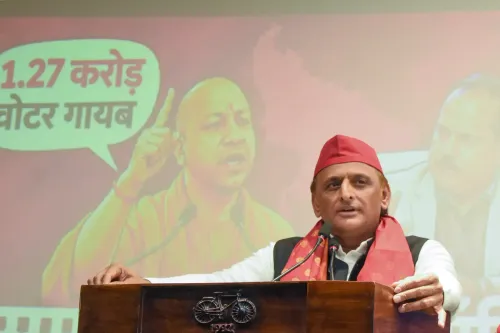
The whip follows sharp criticism from SP chief Akhilesh Yadav on Saturday. He targeted the Bharatiya Janata Party (BJP)-led Centre after the Union Cabinet cleared amendments to the delimitation-linked Constitution Amendment Bill.
He argued that the ruling party's focus is on elections rather than national security. In a post on X, he said: “For the BJP, elections are everything, not the country. That's why it cares about the boundaries of Lok Sabha constituencies, not the country's borders.”
What the Bills Propose
The Constitution (One Hundred and Thirty-Second Amendment) Bill, 2026 and the dependent Delimitation (Second) Bill, 2026 were approved on Friday at a Cabinet meeting chaired by Prime Minister Narendra Modi.
The legislation paves the way for the Lok Sabha to grow from its current 543 seats to around 850. According to multiple TV reports, the enlarged strength would then remain frozen for 25 years, until 2051.
The detailed contours of the delimitation exercise have not yet been made public. Reports suggest, however, that each state's proportional share of seats will be retained.
Why It Matters
The reported formula on proportional shares appears aimed at addressing concerns from Opposition-ruled states, especially in the South. These states have repeatedly argued that a population-based increase in Lok Sabha seats would treat them unfairly.
Notably, the size of the lower House has not changed in decades. Any change in seat allocation therefore carries major political consequences for representation across states.
A Constitution amendment needs a special majority in Parliament. That makes the position of Opposition parties such as the SP, one of the larger non-BJP blocs in the Lok Sabha, significant to the arithmetic.
What Happens Next
The bills are set to be introduced on the session's first day. Attention will turn to whether other Opposition parties issue similar whips and whether the government shares the full delimitation formula before any vote.
The four-day session is likely to be one of the most closely watched sittings of the year.
Point of View
More than any Opposition whip. Retaining each state's proportional share may ease Southern anxieties, but an 850-seat House frozen until 2051 locks in a representation settlement for a generation. Such a settlement deserves a full public debate, not a four-day special session. The SP's opposition is politically predictable, but its demand for scrutiny is legitimate, and the Centre would strengthen its own case by putting the full numbers on the table before the vote.
NationPress
29 Nov 2026
Frequently Asked Questions
Why has the Samajwadi Party issued a whip for the special session?
The SP issued a three-line whip so that all its Lok Sabha MPs attend the entire special session and vote against the Delimitation and Constitution Amendment bills. The whip was issued by SP Chief Whip Dharmendra Yadav.
When is the special session of Parliament in 2026?
The special session is scheduled from 30 November to 3 December 2026. The revised Delimitation Bill, 2026, is set to be introduced in the Lok Sabha on the first day.
How many seats will the Lok Sabha have after delimitation?
The proposed legislation could raise the Lok Sabha's strength from 543 to around 850 seats. According to TV reports, the enlarged strength would remain frozen until 2051.
Which bills is the Samajwadi Party opposing?
The SP is opposing three bills: the Constitution (One Hundred and Thirty-Second Amendment) Bill, 2026; the Delimitation (Second) Bill, 2026; and the Union Territories Laws (Amendment) (Second) Bill, 2026.
What did Akhilesh Yadav say about the Delimitation Bill?
Akhilesh Yadav said on X that for the BJP elections are everything, not the country. He added that this is why the party cares about the boundaries of Lok Sabha constituencies rather than the country's borders.