Stalin mourns Bharathiraja, seeks state honours
Synopsis
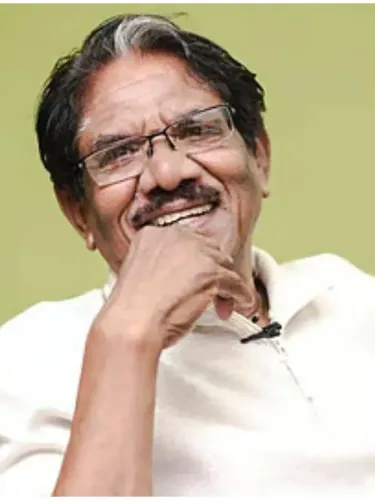
DMK president M. K. Stalin paid tribute to veteran Tamil director Bharathiraja on 10 June 2026, calling his death a great loss to Tamil cinema and requesting the Tamil Nadu government to accord him state honours at his funeral.
Key Takeaways
Stalin mourned the death of veteran Tamil director Bharathiraja on 10 June 2026 , calling it a 'great loss to Tamil cinema.' Stalin hailed Bharathiraja as 'Iyakkunar Imayam' (the Himalaya of directors) and credited him with taking Tamil cinema from studios into rural landscapes.
Films cited by Stalin as indispensable to Tamil cinema history include '16 Vayathinile' , 'Sigappu Rojakkal' , 'Mudhal Mariyathai' , 'Vedham Pudhithu' , and 'Karuthamma' , among others.
Stalin recalled personal visits to Bharathiraja — including a condolence call after the death of the director's son Manoj Bharathiraja .
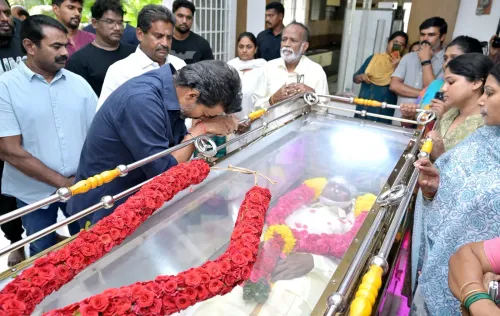
Stalin formally requested the Tamil Nadu government to accord state honours at Bharathiraja's funeral, citing requests from those present with the director.
Bharathiraja was born in Allinagaram, Theni district , and his creative partnership with Ilaiyaraaja and Vairamuthu produced songs that remain widely popular across Tamil Nadu.
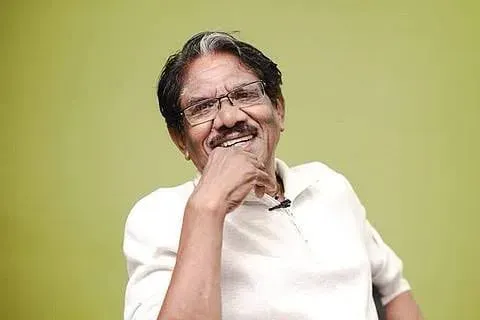
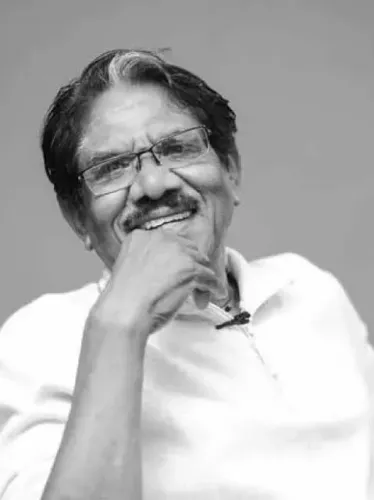
DMK president M. K. Stalin on Wednesday, 10 June 2026 paid tribute to veteran Tamil film director Bharathiraja, hailing him as 'Iyakkunar Imayam' (the Himalaya of directors) and calling his passing a 'great loss to Tamil cinema.' Stalin also formally requested the Tamil Nadu government to accord state honours at Bharathiraja's funeral, citing the director's monumental contribution to Tamil culture.
Context
Stalin's post, written in Tamil, described Bharathiraja's death as deeply painful, stating: 'The passing of Bharathiraja, who transformed the path of Tamil cinema and created a new wave, causes immense grief.' He recalled personal meetings with the director — including a visit to inquire about his health and a condolence call following the death of Bharathiraja's son Manoj Bharathiraja — saying those memories now weigh heavier on his heart.
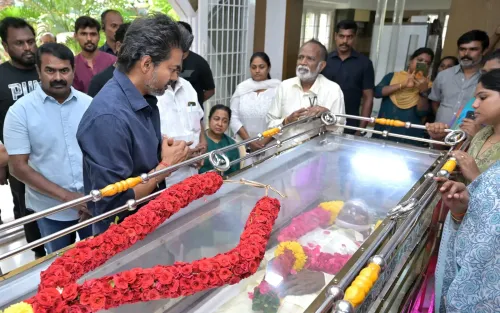
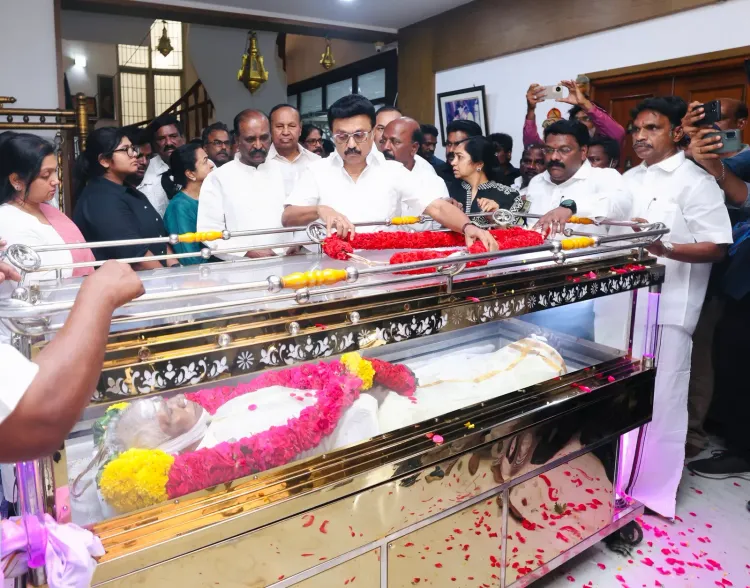
Stalin also noted that when he paid his last respects in person, those present with Bharathiraja requested that the director be given a state farewell. He ended his post urging the Tamil Nadu government to fulfil that wish.
Policy Backdrop
Tamil Nadu has a precedent of according state honours to eminent film personalities, reflecting the deep institutional ties between Dravidian politics and the Tamil film industry. Such honours typically include a gun salute, a state-draped coffin, and official representation at the funeral.
Bharathiraja, born in Allinagaram in Theni district, is widely credited with taking Tamil cinema out of studio sets and into rural landscapes. Films such as '16 Vayathinile', 'Kizhakke Pogum Rail', 'Sigappu Rojakkal', 'Ninaithale Inikkum', 'Tick Tick Tick', 'Mudhal Mariyathai', 'Kadalora Kavithaigal', 'Vedham Pudhithu', and 'Karuthamma' are considered landmarks that any history of Tamil cinema cannot bypass, as Stalin noted in his tribute.
Stakeholders and Impact
Stalin specifically extended condolences to Bharathiraja's family, artists from the film industry, the director's students, and the people of Tamil Nadu at large. He underlined the creative trio of Bharathiraja, music composer Ilaiyaraaja — known as 'Isai Gnaani' (the music sage) — and lyricist Vairamuthu — known as 'Kavi Perarasu' (the emperor of poets) — whose songs, he said, play every minute in some corner of Tamil Nadu, bringing joy to thousands.
Stalin also acknowledged Bharathiraja's role in mobilising the film industry for causes related to Tamil rights and Tamil Nadu's interests, describing his contribution in that arena as 'immense.' The director had a close affection for Kalaignar (the late M. Karunanidhi), the DMK patriarch, Stalin noted.
What's Next
The immediate question is whether the Tamil Nadu government — led by Chief Minister M. K. Stalin in his executive capacity — will act on the request he has made in his capacity as DMK president and announce state honours for Bharathiraja's funeral. A formal government order, if issued, would set the protocol for the last rites.
Bharathiraja's legacy also extends beyond Tamil — Stalin noted that the director made films in other Indian languages and left his mark there too, ensuring that Indian cinema history will remember him at its summit. The tributes from political and cultural quarters are expected to continue in the hours and days ahead.
Point of View
And honouring cinema icons reinforces that brand. By publicly requesting state honours, Stalin is also exercising soft pressure on his own government to act swiftly, blending personal grief with institutional authority. The invocation of the Bharathiraja-Ilaiyaraaja-Vairamuthu creative trinity taps into a deep vein of Tamil pride that transcends party lines. The move fits a broader pattern of Dravidian parties using cultural tributes to consolidate their standing as the natural stewards of Tamil heritage.
NationPress
26 Oct 2026
Frequently Asked Questions
Who was Bharathiraja and why is he famous?
Bharathiraja was a veteran Tamil film director born in Allinagaram, Theni district, celebrated for bringing rural realism to Tamil cinema. His films such as '16 Vayathinile', 'Sigappu Rojakkal', 'Mudhal Mariyathai', and 'Vedham Pudhithu' are considered landmarks of Tamil cinema history.
What did M. K. Stalin say about Bharathiraja's death?
Stalin described Bharathiraja's passing as a 'great loss to Tamil cinema,' hailed him as 'Iyakkunar Imayam' (the Himalaya of directors), and said his death causes immense grief. He also recalled personal meetings with the director and requested the Tamil Nadu government to accord him state honours.
Did Stalin request state honours for Bharathiraja's funeral?
Yes. Stalin stated in his post that those present with Bharathiraja requested a state farewell, and he formally urged the Tamil Nadu government to honour that wish in recognition of the director's achievements.
What is the significance of the Bharathiraja-Ilaiyaraaja-Vairamuthu trio?
The creative collaboration between director Bharathiraja, composer Ilaiyaraaja, and lyricist Vairamuthu produced some of Tamil cinema's most beloved songs. Stalin noted in his tribute that their songs play every minute in some corner of Tamil Nadu, bringing joy to thousands of people.
Has Tamil Nadu given state honours to film personalities before?
Yes. Tamil Nadu has a precedent of according state honours at the funerals of eminent film personalities, reflecting the longstanding institutional ties between Dravidian politics and the Tamil film industry.