CM Sukhu to Form Panel on Tribal Status for 27 Bharmour Panchayats
Synopsis
Himachal Pradesh CM Sukhvinder Singh Sukhu has announced a government committee to examine granting Fifth Schedule tribal area status to 27 panchayats in Bharmour, Chamba district, with recommendations to be sent to the Central Government for final approval.
Key Takeaways
CM Sukhvinder Singh Sukhu announced on November 5, 2026 that a committee will be formed to examine tribal area status for 27 panchayats in Bharmour.
The committee's recommendations will be the basis for a formal proposal sent to the Central Government for approval.
Bharmour is in Chamba district , Himachal Pradesh, and is home to the Gaddi tribal community.
Tribal area status under the Fifth Schedule of the Indian Constitution confers special administrative protections, development funds, and reservation safeguards.
Final notification of any new Scheduled Area requires approval from the Union Ministry of Tribal Affairs , not the state government alone.
The demand for extending tribal status to these panchayats has persisted across multiple state administrations.
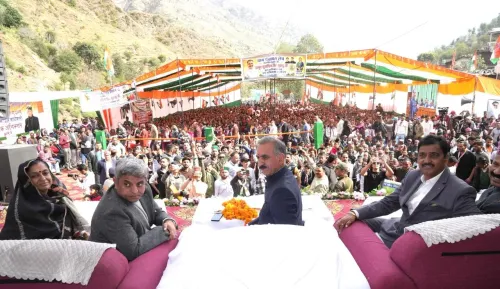
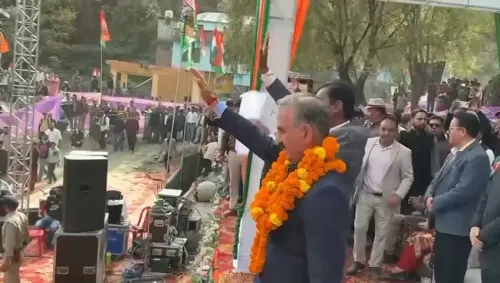
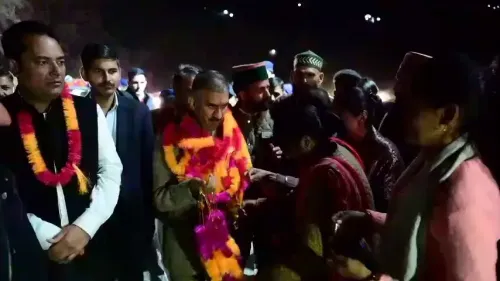
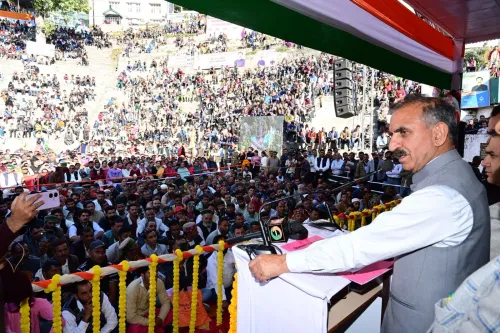
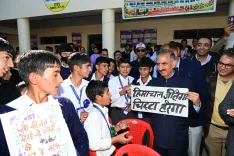
A long-standing demand from one of Himachal Pradesh's most remote tribal constituencies is finally getting a formal answer. Chief Minister Sukhvinder Singh Sukhu announced on Thursday, November 5, 2026 that his government will constitute a committee to examine granting tribal area status to 27 panchayats in the Bharmour assembly constituency of Chamba district — and that the committee's recommendations will form the basis of a formal proposal to the Central Government for approval.
Posting in Hindi on X, the Chief Minister stated: 'भरमौर विधानसभा क्षेत्र की 27 पंचायतों को जनजातीय क्षेत्र का दर्जा देने की मांग पर हमारी सरकार कमेटी का गठन करेगी। कमेटी की सिफारिशों के आधार पर केंद्र सरकार को मंजूरी के लिए प्रस्ताव भेजा जाएगा।' ('On the demand to grant tribal area status to the 27 panchayats of the Bharmour assembly constituency, our government will form a committee. Based on the committee's recommendations, a proposal will be sent to the Central Government for approval.')What tribal area status means for Bharmour's Gaddi community
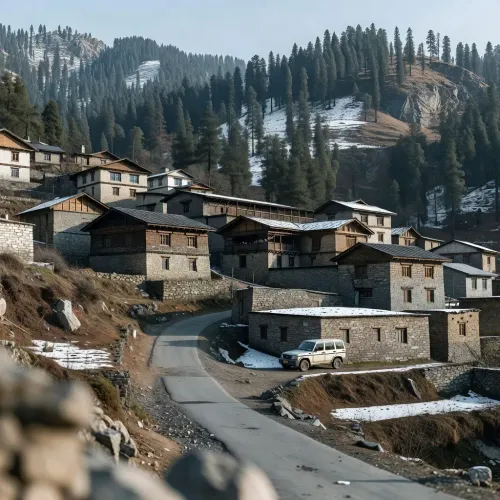
Bharmour is the ancestral heartland of the Gaddi community — semi-nomadic pastoralists whose lives track the high-altitude passes of the Dhauladhar and Pir Panjal ranges. The constituency already carries a distinct tribal character, but the 27 panchayats in question have not yet received the formal protections that come with inclusion under the Fifth Schedule of the Indian Constitution.
That schedule, in force since 1950, provides Scheduled Areas with special administrative protections, ring-fenced development funds, and reservation guarantees. For communities living at the margins of connectivity and institutional reach, the designation is not symbolic — it is structural. It changes who controls land, who gets resources, and who sits at the table.
The two-step road to Central approval
Himachal Pradesh already has several notified Scheduled Areas under the Fifth Schedule, and state governments have periodically tested the process of extending such status to additional panchayats through expert committees. The path is deliberate by design: the state forms a committee, the committee assesses demography and administration, the state sends a recommendation, and the Union Ministry of Tribal Affairs makes the final call. No shortcut exists.
Sukhu's announcement commits the Himachal government to step one — forming the committee. The timeline for its report, and the subsequent proposal to New Delhi, now becomes the benchmark against which this promise will be measured.
A constituency demand that outlasted multiple governments
The push for tribal area status across Bharmour's remaining panchayats is not new. It has cycled through successive state governments without resolution. By channelling it through a formal committee mechanism rather than leaving it in the queue of unactioned representations, the Sukhu administration is at minimum giving the demand a procedural home — and a paper trail that the Gaddi community and local panchayat representatives can track and hold the government accountable to.
The next moment that matters: the notification of the committee's composition and the mandate it carries. That is when intention becomes process.
Point of View
Which lies outside state authority. The committee mechanism gives the Congress government a deliverable it can fully control, while deferring the harder political question of how hard Shimla will push New Delhi for the final notification. For the Gaddi community, the value of this announcement depends entirely on how quickly the committee is constituted and whether its mandate is substantive or dilatory. Watched against Himachal's broader pattern of tribal area governance, this fits a recurring arc: state governments acknowledge the demand, form panels, and the final step stalls in the Centre — making the velocity and political will behind the follow-through the real story to track.
NationPress
5 Nov 2026
Frequently Asked Questions
What is the demand for tribal area status in Bharmour?
Residents of 27 panchayats in the Bharmour assembly constituency , Chamba district, have demanded inclusion under the Fifth Schedule of the Indian Constitution, which would give them Scheduled Area protections, dedicated development funds, and reservation benefits.
What did CM Sukhu announce about Bharmour panchayats?
CM Sukhvinder Singh Sukhu announced on November 5, 2026 that the Himachal Pradesh government will form a committee to examine the demand, and will send a proposal to the Central Government based on the committee's recommendations.
Who gives final approval for tribal area status under the Fifth Schedule?
The Central Government — specifically the Union Ministry of Tribal Affairs — has the authority to officially notify new Scheduled Areas under the Fifth Schedule of the Indian Constitution. The state government recommends, but the Centre decides.
Who are the Gaddi people of Bharmour?
The Gaddi are a semi-nomadic pastoral tribal community whose traditional homeland is the Bharmour area of Chamba district in Himachal Pradesh, known for seasonal migration across high-altitude Himalayan passes.
What protections does Fifth Schedule tribal area status provide?
Areas notified under the Fifth Schedule of the Indian Constitution receive special administrative protections, ring-fenced central development funds, land alienation safeguards, and reservation guarantees that do not automatically apply to non-scheduled areas.