CM Sukhu meets Karunamoolak Sangh, vows jobs for compassionate families
Synopsis
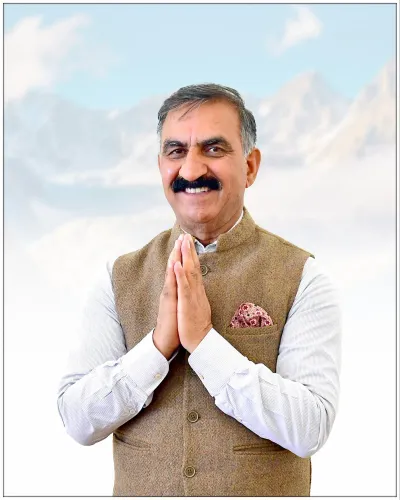
Himachal Pradesh CM Sukhvinder Singh Sukhu received the Karunamoolak Sangh at Shimla Secretariat on October 10, 2026, acknowledging the struggles of compassionate appointment families and committing his Congress government to resolving their legitimate demands.
Key Takeaways
CM Sukhu met the Karunamoolak Sangh delegation at the Shimla Secretariat on October 10, 2026 .
The Sangh represents families of deceased or disabled government employees entitled to compassionate appointments.
The CM publicly acknowledged their 'pain, struggle, and hopes' and called the government sensitive to their interests.
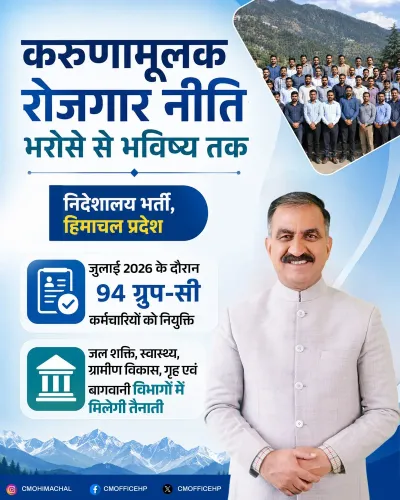
Sukhu stated his government has already provided jobs to these families 'in large numbers.' The government pledged commitment to resolving their 'legitimate demands' — signalling further action on pending cases.
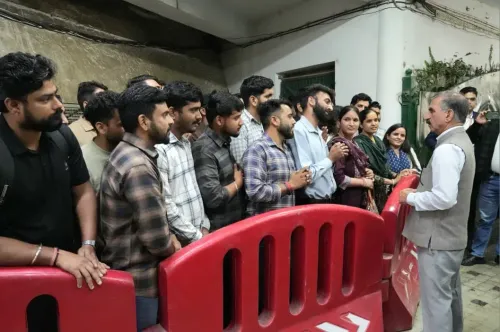
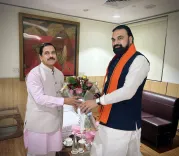
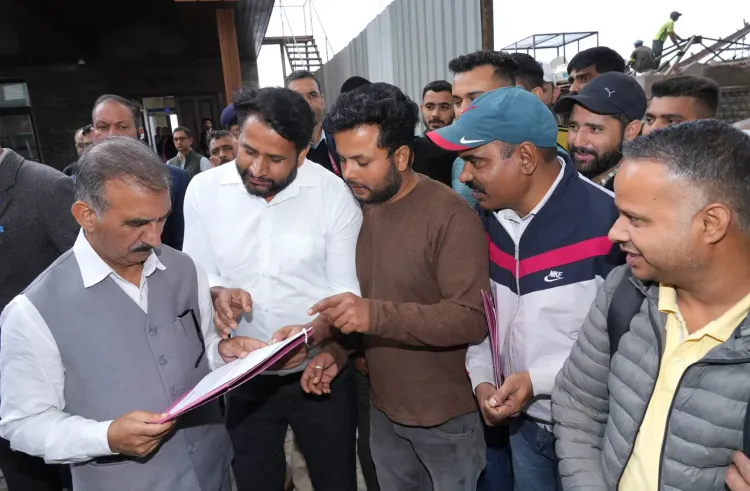
A delegation carrying years of hardship walked into the Himachal Pradesh Secretariat in Shimla on Saturday, October 10, 2026 — and left with a public commitment from the top. Himachal Pradesh Chief Minister Sukhvinder Singh Sukhu received the Karunamoolak Sangh (Compassionate Appointments Union), listened to their demands, and pledged his government's resolve to find concrete solutions.
Who the Karunamoolak Sangh represents — and what they want
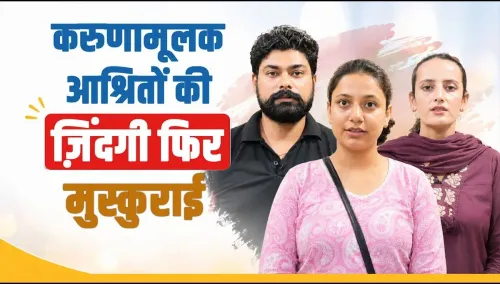
The Karunamoolak Sangh represents families of deceased or permanently disabled government employees who are entitled to 'compassionate appointments' — a policy that allows one eligible family member to receive a government job as a lifeline after sudden loss of the breadwinner. These families often live in a difficult limbo: income gone, a promise of employment on paper, and a long, uncertain wait in between.
The delegation placed their 'various demands' before the Chief Minister, as Sukhu described it, signalling that the community's concerns go beyond just the speed of appointments — likely encompassing pending cases, category eligibility, and procedural delays.
Sukhu's commitment at the Secretariat
Writing from the Shimla Secretariat, CM Sukhu framed his government's position in unambiguous terms: 'हम उनके हितों के प्रति संवेदनशील हैं और उनकी जायज मांगों के समाधान के लिए संकल्पित हैं' — 'We are sensitive to their interests and committed to resolving their legitimate demands.'
He also pointed to action already taken, stating that the government has provided jobs to these families 'in large numbers.' The remark signals that the administration views compassionate appointments not as a passive entitlement but as an active welfare delivery mechanism it intends to accelerate.
Why compassionate appointments remain a live political issue in Himachal
Himachal Pradesh's economy is heavily public-sector dependent, making government employment one of the most consequential outcomes in a family's life. A pending compassionate appointment case can mean years of economic distress for a widow or a young dependent in a mountain village with few private-sector alternatives.
For the Indian National Congress government under Sukhu, demonstrating responsiveness to this constituency — state employees and their families — carries both a welfare and a political dimension. Engagement at the Secretariat level, with the Chief Minister personally receiving the delegation, signals that the matter is being treated with executive priority.
The next measure of this commitment will be in the numbers: how many pending cases are cleared, how fast, and whether systemic procedural barriers are addressed. Families waiting for that appointment letter will be watching closely.
Point of View
Sukhu is using welfare optics as both governance and political signalling. The real test will be whether this translates into measurable clearance of pending compassionate appointment cases, or remains a periodic gesture. In hill states with thin private economies, the gap between a promise at the Secretariat and a letter in a village home is where governments are ultimately judged.
NationPress
10 Oct 2026
Frequently Asked Questions
What is the Karunamoolak Sangh in Himachal Pradesh?
The Karunamoolak Sangh is a union representing families of deceased or permanently disabled Himachal Pradesh government employees who are eligible for 'compassionate appointments' — a scheme allowing one family member to receive a government job after sudden loss of the breadwinner.
What is a compassionate appointment in government jobs?
A compassionate appointment is a provision in India's public service rules that allows a dependent of a deceased or permanently incapacitated government employee to be appointed to a suitable government post, bypassing the usual competitive process, to provide the family immediate economic relief.
What did CM Sukhu promise to the Karunamoolak Sangh?
CM Sukhvinder Singh Sukhu pledged that his government is sensitive to the interests of compassionate families and is committed to resolving their legitimate demands. He also said the government has already provided jobs to these families in large numbers.
Where did CM Sukhu meet the Karunamoolak Sangh delegation?
The meeting took place at the Himachal Pradesh Secretariat in Shimla on October 10, 2026.
Why is the compassionate appointment issue politically significant in Himachal Pradesh?
Himachal Pradesh has a largely public-sector dependent economy, making government jobs critical to family welfare. Delays in compassionate appointments cause severe hardship in mountain communities with few private-sector alternatives, making the issue a live political concern for any ruling government.