Is Sunetra Pawar's Ascendancy a New Era for the NCP?
Synopsis
In a significant political move, Sunetra Pawar has been appointed as the Deputy Chief Minister of Maharashtra, following the tragic loss of her husband, Ajit Pawar. This decision marks a continuation of dynastic politics within the Nationalist Congress Party, raising questions about the future of regional leadership in India. Will Sunetra's leadership redefine the NCP's direction?
Key Takeaways
Sunetra Pawar is now the Deputy Chief Minister of Maharashtra.
The NCP aims to continue its dynastic legacy.
Leadership transitions reflect broader trends in regional politics.
This decision raises questions about future governance in the NCP.
Dynastic politics remains a significant factor in Indian political culture.
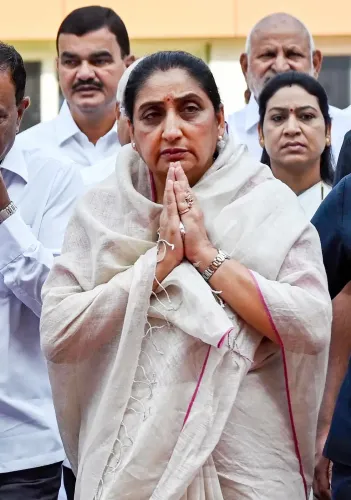
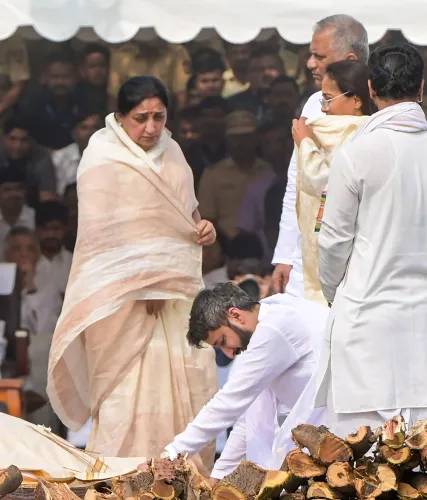
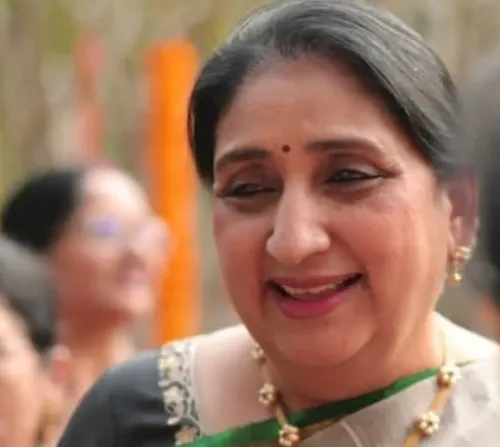
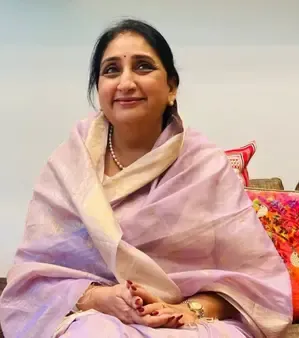
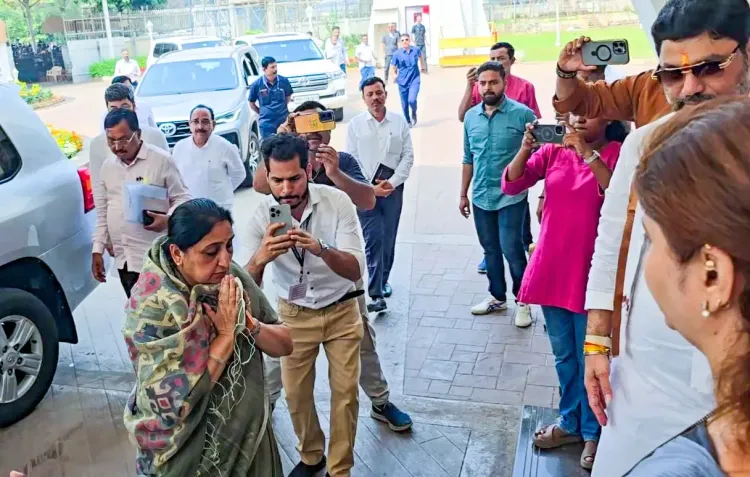
Mumbai, Jan 31 (NationPress) The Nationalist Congress Party's decision to transfer leadership to Sunetra Pawar, following the tragic passing of the former Maharashtra Deputy Chief Minister Ajit Pawar in a plane crash, signifies a commitment to preserving dynastic succession within this regional party.
The NCP is still grappling with the shock of Ajit Pawar's unexpected demise and has chosen to appoint Sunetra Pawar as the legislature party leader and Deputy Chief Minister to leverage Pawar's legacy.
This decision reflects the party's strategy to avoid a power struggle among leaders during ongoing discussions about the merger of two NCP factions.
In the context of Maharashtra's regional politics, leadership transitions in parties like Shiv Sena and MNS have also showcased dynastic successions, with Uddhav Thackeray and his son Aaditya Thackeray making key decisions, while Amit Thackeray is emerging as a successor to Raj Thackeray.
Previously, in the unified NCP, Ajit Pawar and Supriya Sule managed party operations, but the attempt by Sharad Pawar to position Supriya as his heir led to Ajit's rebellion.
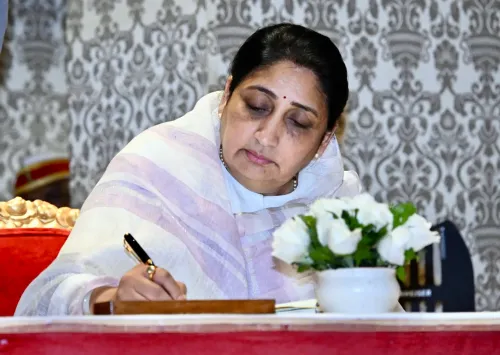
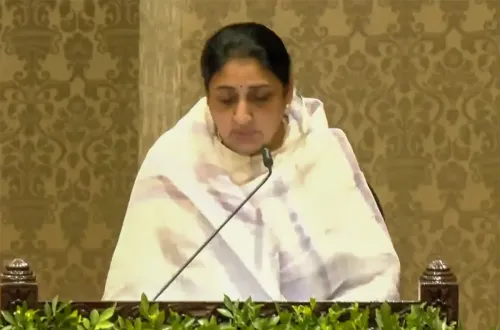
Currently, Sunetra Pawar, Ajit's wife, has taken on the role of Deputy Chief Minister, and there is growing speculation about whether their sons, Parth and Jay Pawar, will take on any official roles.
The Congress party's neglect of local issues, along with the rise of regional identities, has facilitated the growth of regional parties across India. While these parties have achieved notable success, they have also become entrenched in dynastic politics, a path the NCP has chosen to follow.
The Congress has a storied tradition of dynastic leadership, with figures like Pandit Nehru, Indira Gandhi, and Rahul Gandhi leading the way.
In contrast, the BJP has not fully embraced dynastic leadership at the national level, though regional influences are observable.
In Tamil Nadu, M.K. Stalin continues the legacy of Karunanidhi, while in Punjab, the Akali Dal is dominated by the Badal family. Similar trends can be seen in states like Odisha, Andhra Pradesh, and Bihar, where family legacies persist in politics.
Even the Left parties, despite their criticism of dynastic politics, are not entirely free from it, as evidenced by the inclusion of Chief Minister Pinarayi Vijayan's son-in-law in his cabinet.
(Sanjay Jog can be reached at sanjay.j@ians.in)
Point of View
The appointment of Sunetra Pawar as Deputy Chief Minister underscores the persistent trend of dynastic politics in India. While such leadership transitions may ensure stability within parties like the NCP, they also highlight the need for broader representation and merit-based leadership in regional politics. The nation must observe how this decision affects governance and party dynamics moving forward.
NationPress
12 Oct 2026
Frequently Asked Questions
Who is Sunetra Pawar?
Sunetra Pawar is the newly appointed Deputy Chief Minister of Maharashtra and the wife of the late Ajit Pawar.
What is the significance of Ajit Pawar's death?
Ajit Pawar's untimely demise in a plane crash has led to a leadership transition within the NCP, emphasizing dynastic succession.
How does this affect the NCP's future?
This appointment may stabilize party leadership and maintain the Pawar legacy, but it also raises questions about the future direction of the NCP.
What trends are observed in Indian regional politics?
Dynastic politics is prevalent among many regional parties, often leading to family legacies dominating political landscapes.
What has been the public response to dynastic politics?
Public opinion is mixed, with some supporting stability through familiar leadership while others advocate for meritocratic governance.