Swamy Flags SEBI Order on Rajesh Exports, Canara Bank and LIC Under Lens
Synopsis
Veteran politician Dr. Subramanian Swamy flagged a reported SEBI order against Rajesh Exports on 8 June 2026, drawing attention to a concurrent Canara Bank recovery case and LIC equity exposure, raising corporate-governance and public-institution accountability concerns.
Key Takeaways
Subramanian Swamy publicly flagged a reported SEBI order concerning Rajesh Exports on 8 June 2026 .
Canara Bank has active recovery proceedings against the company, potentially before the NCLT under the IBC 2016 .
LIC , India's largest institutional investor, reportedly holds an equity stake in Rajesh Exports , putting policyholder funds in focus.
SEBI 's tightened LODR Regulations form the policy basis for any disclosure or related-party transaction violations cited in the order.
Retail investors, public-sector bank creditors, and insurance policyholders are the three primary stakeholder groups exposed to the proceedings.
Follow-up adjudication orders, NCLT updates, and possible parliamentary questions are the key developments to watch.
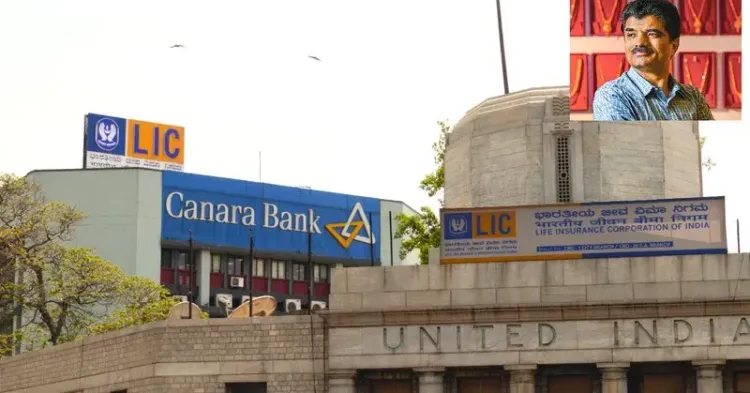
Veteran politician Dr. Subramanian Swamy, former Union Minister and Rajya Sabha MP, drew public attention on Monday, 8 June 2026 to a reported SEBI order concerning Rajesh Exports, flagging simultaneous scrutiny of a Canara Bank recovery case and LIC investment exposure in the listed gold-and-jewellery exporter.
Context
Dr. Swamy shared a link to a report headlined 'Rajesh Exports puzzle gets bigger', pointing to what the coverage described as a convergence of regulatory and banking-recovery pressures on the company. By amplifying the story, the veteran parliamentarian — who has a long track record of raising corporate-governance concerns in public forums and courts — signalled that the matter warrants broader legislative and investor scrutiny. The post arrives at a time when India's securities regulator has been intensifying enforcement actions against listed entities with complex overseas financing structures.
Policy Backdrop
SEBI was granted statutory powers in 1992 and has since expanded its disclosure and related-party transaction framework through the LODR Regulations, which were tightened following the 2013 Companies Act amendments. Separately, the Insolvency and Bankruptcy Code (IBC), enacted in 2016, gave public-sector lenders such as Canara Bank — nationalised in 1969 — a streamlined path to pursue recovery proceedings before the National Company Law Tribunal (NCLT). The intersection of a SEBI governance order with an active bank-recovery case in the same company is relatively uncommon and tends to attract heightened regulatory coordination.
Rajesh Exports, a listed entity engaged in gold and jewellery exports, has featured in regulatory filings for its overseas operations and financing arrangements. LIC, nationalised in 1956 and the country's largest institutional investor, holds equity stakes in hundreds of listed companies on behalf of millions of policyholders, making any adverse development in such holdings a matter of public-interest concern.
Stakeholders and Impact
Three categories of stakeholders face direct exposure if the regulatory proceedings deepen. Retail investors holding shares of Rajesh Exports could see valuation pressure as regulatory uncertainty weighs on the stock. Canara Bank, a government-owned lender, has reputational and balance-sheet stakes in the outcome of its recovery proceedings, while any delay in resolution adds to its stressed-asset burden. LIC policyholders — numbering in the hundreds of millions — have an indirect interest, since the corporation's equity portfolio performance ultimately affects bonus declarations and fund values.
The broader pattern is one regulators and policymakers have grappled with since the 2018–2020 NPA resolution phase: coordinated oversight between SEBI, the Reserve Bank of India, and investigative agencies on corporate compliance has become standard practice for large listed borrowers with public-sector financial-institution exposure.
What's Next
Observers will watch for any follow-up SEBI adjudication orders that detail the specific violations alleged and any penalties imposed. Progress in Canara Bank's recovery proceedings before the NCLT, including admission of any insolvency application, will be a key marker. The matter could also surface as a parliamentary question in the next session, given Dr. Swamy's history of pursuing such issues through legislative channels. Should LIC's exact equity exposure be disclosed in subsequent filings, it would sharpen the public-accountability debate around the corporation's investment decisions in companies facing simultaneous regulatory and banking-recovery action.
Point of View
A Canara Bank recovery case, and LIC exposure in a single listed company is precisely the kind of multi-agency overlap that can stall resolution and erode investor confidence. This episode reflects the broader unfinished agenda of India's NPA resolution cycle — while the IBC created a legal pathway, coordinated enforcement across SEBI, RBI, and banking tribunals remains inconsistent. The political salience of LIC's equity portfolio, given its policyholder base, means this case could quickly acquire a parliamentary dimension beyond routine regulatory proceedings.
NationPress
26 Oct 2026
Frequently Asked Questions
What is the SEBI order against Rajesh Exports about?
The exact content of the SEBI order has not been officially confirmed, but reports indicate it flags governance or disclosure concerns at Rajesh Exports, a listed gold-and-jewellery exporter, alongside a Canara Bank recovery case and LIC investment exposure.
Why is Canara Bank pursuing a recovery case against Rajesh Exports?
Canara Bank, a public-sector lender, has been pursuing recovery proceedings against corporate borrowers under the Insolvency and Bankruptcy Code 2016; the specific grounds and amounts in the Rajesh Exports case have not been officially verified.
What is LIC's connection to Rajesh Exports?
LIC, India's largest institutional investor, reportedly holds an equity stake in Rajesh Exports on behalf of its policyholders, making any adverse regulatory or financial development in the company a public-interest matter.
Why did Subramanian Swamy post about Rajesh Exports?
Dr. Swamy shared a report on the SEBI order and related proceedings, consistent with his long-standing practice of raising corporate-governance and public-institution accountability concerns through social media and parliamentary channels.
What should retail investors in Rajesh Exports watch for?
Retail investors should monitor any follow-up SEBI adjudication orders, updates in Canara Bank's NCLT proceedings, and official disclosures from Rajesh Exports regarding the regulatory and recovery actions.