Swamy Flags ₹5 Lakh Crore Bank Default Crisis
Synopsis
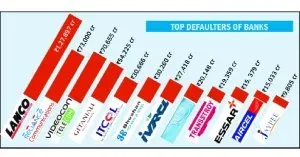
Dr. Subramanian Swamy flagged a report on 23 May 2026 naming Lanco Infratech, Anil Ambani's companies, and Videocon as leading figures in a banking-sector loan default crisis reportedly topping ₹5 lakh crore, reigniting debate over corporate accountability and NPA resolution in India.
Key Takeaways
Subramanian Swamy shared a report on 23 May 2026 spotlighting India's top corporate loan defaulters.
Lanco Infratech , Anil Ambani's group companies , and Videocon Group are named as leading defaulters in the report.
The aggregate default figure cited in the report is ₹5 lakh crore , though this specific figure is drawn from the circulated report and has not been independently verified.
The RBI's Asset Quality Review (2015–16) first systematically exposed the scale of hidden NPAs in public-sector banks.
The Insolvency and Bankruptcy Code (2016) was enacted to provide a unified, time-bound resolution mechanism for large corporate defaults.
Public sector banks and taxpayers bear the primary financial burden of unrecovered corporate loans through government recapitalisation.
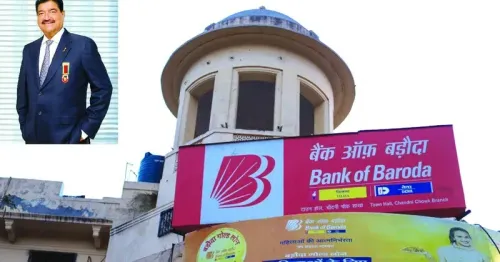
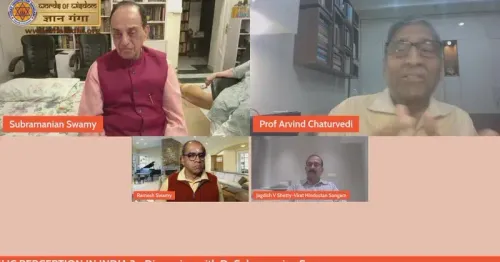
Veteran politician Dr. Subramanian Swamy, former Union Minister and Rajya Sabha MP, on Saturday, 23 May 2026, drew attention to a report identifying top corporate defaulters — including Lanco Infratech, Anil Ambani's group companies, and Videocon — as central figures in a banking-sector crisis reportedly exceeding ₹5 lakh crore in loan defaults.
Context
Swamy shared a report describing what it called a 'dirty dozen' of defaulters responsible for a massive hole in India's banking system. The post highlighted Lanco Infratech, Anil Ambani, and Videocon Group as leading names in the alleged default tally. Swamy, a long-time critic of crony capitalism and banking misgovernance, has consistently raised concerns about the accountability of large corporate borrowers.
Policy Backdrop
India's non-performing asset (NPA) crisis has roots stretching back to the infrastructure lending boom of the late 2000s. The Reserve Bank of India's Asset Quality Review of 2015–16 forced public-sector banks to recognise previously concealed bad loans, exposing the scale of corporate defaults for the first time in a systematic manner.
Parliament responded with the Insolvency and Bankruptcy Code (IBC) in 2016, creating a unified, time-bound framework to resolve corporate insolvencies that had previously languished across multiple legal forums. Lanco Infratech and Videocon Group were among the large accounts admitted to proceedings under the IBC, while companies linked to Anil Ambani — including Reliance Communications — featured prominently in regulatory lists of stressed borrowers through the late 2010s and early 2020s.
Stakeholders and Impact
Public sector banks, which hold the bulk of these exposures, bear the immediate burden of provisioning against unrecovered loans — a cost ultimately borne by taxpayers through government recapitalisation packages. Successive administrations have infused tens of thousands of crores into state-run lenders to shore up their capital buffers, even as recovery rates under IBC proceedings have remained a subject of debate among economists and policymakers.
For ordinary depositors and small borrowers, the NPA overhang constrains credit availability and keeps lending rates elevated. Promoter accountability — the question of whether individuals who presided over large defaults face meaningful consequences — remains a live political and legal issue, one that Swamy has repeatedly pressed in parliamentary forums and public discourse.
What's Next
The RBI's half-yearly Financial Stability Reports continue to track legacy large accounts still pending resolution under the IBC. Analysts and opposition politicians are likely to use any updated default figures to renew pressure on regulators and the government to accelerate recoveries and strengthen promoter-liability provisions. Swamy's post signals that the banking-sector accountability debate will remain a prominent theme in political discourse heading into the second half of 2026.
Point of View
Often ahead of parliamentary sessions or regulatory announcements. The timing in mid-2026 suggests an attempt to pressure regulators and the ruling establishment on the pace of IBC recoveries, which critics argue has slowed significantly for the largest legacy accounts. The framing of a 'dirty dozen' also signals a deliberate effort to personalise what is often an abstract macroeconomic debate, making it politically actionable. Whether this translates into formal parliamentary questions or judicial interventions — both tools Swamy has used historically — will determine its immediate policy impact.
NationPress
6 Oct 2026
Frequently Asked Questions
Who are the top bank loan defaulters in India in 2026?
A report shared by Dr. Subramanian Swamy on 23 May 2026 names Lanco Infratech, Anil Ambani's group companies, and Videocon Group among the leading corporate defaulters contributing to a banking-sector NPA crisis reportedly exceeding ₹5 lakh crore.
What is the total amount of bank loan defaults in India?
The report highlighted by Swamy cites a figure exceeding ₹5 lakh crore in cumulative loan defaults; this figure is sourced from the circulated report and has not been independently verified by regulatory authorities in publicly available data.
What happened to Videocon and Lanco under the Insolvency and Bankruptcy Code?
Both Videocon Group and Lanco Infratech were admitted to insolvency proceedings under the Insolvency and Bankruptcy Code (IBC) enacted in 2016, which created a time-bound legal framework for resolving large corporate defaults in India.
What is India's NPA crisis and why does it matter?
India's non-performing asset (NPA) crisis refers to the accumulation of large unpaid corporate loans, primarily at public sector banks, which constrains credit availability, raises borrowing costs, and requires taxpayer-funded recapitalisation of state-run lenders.
Why is Subramanian Swamy raising the bank defaulter issue?
Dr. Subramanian Swamy has consistently raised issues of corporate accountability and banking misgovernance throughout his political career, using parliamentary forums and public platforms to press for stronger action against large loan defaulters.