NCLT admits SBI plea, initiates personal insolvency against Anil Ambani
Synopsis
The NCLT has formally admitted SBI's petition and triggered personal insolvency proceedings against Anil Ambani over a ₹853.25 crore guarantee default tied to Reliance Communications and Reliance Infratel. With a 180-day moratorium now in place and Ambani's assets frozen, the case marks a significant escalation in one of India's longest-running corporate insolvency sagas — and a direct legal test of personal guarantor liability under the IBC.
Key Takeaways
The NCLT Mumbai Bench-I on 11 June 2026 admitted SBI 's petition and initiated personal insolvency proceedings against Anil Ambani .
SBI cited an alleged default of ₹853.25 crore on personal guarantees for loans to RCOM (₹565 crore) and RITL (₹635 crore).
A 180-day moratorium is now in force; Ambani is barred from transferring or disposing of assets during this period.
The NCLT rejected Ambani's contention that the guarantee was discharged after RCOM's resolution plan was approved.
Ambani's spokesperson said the order will be challenged through appropriate legal remedies and that he 'derived no personal benefit' from the underlying funds.
Resolution Professional Prashant Jain has been directed to invite creditor claims via public notice.
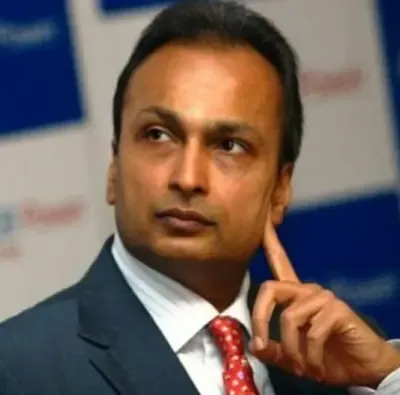
The National Company Law Tribunal (NCLT) on 11 June 2026 admitted a petition filed by the State Bank of India (SBI) and formally initiated personal insolvency resolution proceedings against industrialist Anil Ambani, in his capacity as a personal guarantor for loans extended to Reliance Communications (RCOM) and Reliance Infratel Ltd (RITL). A spokesperson for Ambani confirmed the order would be challenged through appropriate legal remedies.
The NCLT Order and Its Immediate Effect
A bench comprising Judicial Member Sushil Mahadeorao Kochey and Technical Member Prabhat Kumar passed the order under Section 95 of the Insolvency and Bankruptcy Code (IBC). The Mumbai Bench-I of the tribunal simultaneously declared a moratorium on all debts of the personal guarantor and directed Resolution Professional Prashant Jain to issue a public notice inviting claims from creditors.
The moratorium will remain in force for 180 days or until an order is passed on a repayment plan, whichever is earlier. During this period, all pending legal proceedings relating to the debt stand stayed, and Ambani is barred from transferring, alienating, encumbering, or disposing of his assets.
Background: The SBI Guarantee Dispute
The SBI had moved the tribunal over an alleged default of ₹853.25 crore arising from personal guarantees furnished for credit facilities extended to RCOM and RITL. According to the bank, Ambani had executed a personal guarantee deed on 23 September 2016 in respect of loan facilities of ₹565 crore granted to RCOM and ₹635 crore granted to RITL.
The guarantee was invoked on 31 January 2019 following defaults by the borrower companies. After no repayment was received, SBI approached the NCLT in March 2020 — a legal process that has spanned over six years before this week's admission order.
Ambani's Contentions and the Tribunal's Rejection
During proceedings, Ambani argued that the guarantee stood discharged following approval of the resolution plan for RCOM, and that no enforceable liability survived against him. He also contended that the guarantee was invalid because it was allegedly executed after the loan accounts had become non-performing assets (NPAs).
The NCLT rejected both arguments. 'We do not find any merit in the contention of the Personal Guarantor that he executed a guarantee on 23.09.2016 in favour of applicant creditor, when the principal borrower was already in default on 26.8.2016,' the tribunal stated. It further observed that no money had yet been realised by SBI under the approved resolution plans of RCOM and RITL, and that the debt remained unpaid.
Ambani's Response
A spokesperson for Ambani said the order 'relates to a disputed personal guarantee allegedly extended by Mr Ambani to the State Bank of India in 2016 — that is, ten years ago — even before the promulgation of personal insolvency laws.' The spokesperson added that the underlying facility had been availed by Reliance Communications for repayment of borrowings from Chinese lenders, and that 'Mr Ambani derived no personal benefit from the said funds.'
'The Order, once available, will be reviewed by Mr Ambani's legal team and challenged through appropriate legal remedies, as advised. Mr Ambani remains confident of vindicating his position before the appropriate forums,' the spokesperson said.
What Happens Next
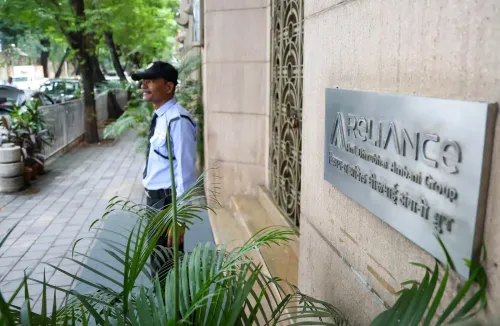
Resolution Professional Prashant Jain is now required to carry out the insolvency resolution process in accordance with IBC provisions, including publishing a public notice for creditor claims. This is the latest in a series of legal and financial challenges that have reshaped the once-sprawling Reliance ADA Group empire over the past decade. Whether Ambani's legal team succeeds in overturning the order on appeal will determine the next phase of one of India's most closely watched insolvency battles.
Point of View
Which have faced sustained legal resistance since their notification. The NCLT's flat rejection of Ambani's 'guarantee discharged by resolution plan' argument reinforces a creditor-friendly reading of the code — one that banks will cite in dozens of pending guarantor cases. The more pointed issue is timing: the guarantee was executed in September 2016, allegedly days after the borrower had already defaulted, raising questions about due diligence that SBI itself must answer. If Ambani's appeal succeeds on that narrow ground, it could create a precedent that weakens guarantor liability across the board — an outcome that would alarm lenders far beyond this case.
NationPress
20 Sept 2026
Frequently Asked Questions
What has the NCLT ordered against Anil Ambani?
The NCLT Mumbai Bench-I on 11 June 2026 admitted SBI's petition and initiated personal insolvency resolution proceedings against Anil Ambani as a personal guarantor for loans given to RCOM and RITL. A 180-day moratorium has been imposed, barring Ambani from transferring or disposing of his assets.
How much money is SBI claiming from Anil Ambani?
SBI is claiming ₹853.25 crore, arising from personal guarantees Ambani allegedly furnished for credit facilities of ₹565 crore to Reliance Communications and ₹635 crore to Reliance Infratel Ltd. The guarantee was invoked in January 2019 after both companies defaulted.
Why did the NCLT reject Anil Ambani's defence?
The tribunal rejected his argument that the guarantee was discharged after RCOM's resolution plan was approved, noting that SBI had not recovered any money under those plans and the debt remained unpaid. It also dismissed his claim that the guarantee was invalid because it was executed after the loan accounts became NPAs.
Will Anil Ambani challenge the NCLT order?
Yes. A spokesperson for Ambani confirmed the order will be reviewed by his legal team and challenged through appropriate legal remedies. Ambani's camp contends the guarantee pre-dates personal insolvency laws and that he derived no personal benefit from the underlying funds.
What is a personal guarantor insolvency proceeding under the IBC?
Under the Insolvency and Bankruptcy Code, a lender can initiate insolvency proceedings against an individual who has personally guaranteed a corporate loan if the borrower defaults and the guarantor fails to repay. The process involves a moratorium on the guarantor's debts, appointment of a resolution professional, and an invitation for creditor claims — similar in structure to corporate insolvency but applied to an individual's assets.