Tamil Nadu Assembly erupts over 6 vacant constituencies, MLA representation row
Synopsis
Six empty seats, no MLAs, and a Tamil Nadu Assembly session that descended into microphone cut-offs and horse-trading allegations — the confrontation between AIADMK's Palaniswami and the DMK government has turned a representation gap into a full-blown political flashpoint, with by-elections and legal proceedings both hanging in the balance.
Key Takeaways
The Tamil Nadu Legislative Assembly saw heated exchanges on 25 August over six constituencies left without MLAs following resignations.
DMK MLA Austin questioned whom residents should approach for grievances; Minister K.A.
Sengottaiyan said ministers-in-charge had been appointed.
AIADMK leader Edappadi K.
Palaniswami argued ministers cannot substitute for elected local representatives.
Sengottaiyan stated the government wants by-elections held 'as soon as possible.' Speaker J.C.D.
Prabhakar ordered certain remarks linked to pending legal proceedings to be expunged from records.
A horse-trading allegation involving the TVK candidate in Edappadi constituency deepened the confrontation.
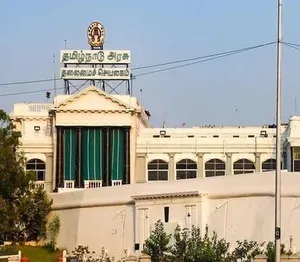
The Tamil Nadu Legislative Assembly witnessed sharp exchanges on Tuesday, 25 August over the absence of elected representatives in six constituencies whose MLAs had resigned, raising urgent questions about grassroots representation and the government's response. The row surfaced during the House debate on demands for grants covering natural resources, industries, information technology, and Artificial Intelligence departments.
The Core Grievance
Dravida Munnetra Kazhagam (DMK) MLA Austin raised the first salvo, asking whom residents of the six unrepresented constituencies should approach to have their grievances heard in the absence of sitting MLAs. His intervention drew immediate attention across party lines and set the tone for what followed.
Minister K.A. Sengottaiyan responded that the state government had appointed ministers-in-charge for all six constituencies. He added that Chief Minister C. Joseph Vijay had taken specific steps to ensure public complaints were addressed and local needs attended to.
Opposition Pushes Back
Austin was unconvinced, maintaining that several constituency-level problems remained unresolved. He argued that ministers saddled with additional charge could not be expected to fully grasp hyper-local issues — a point that found backing from the opposition benches.
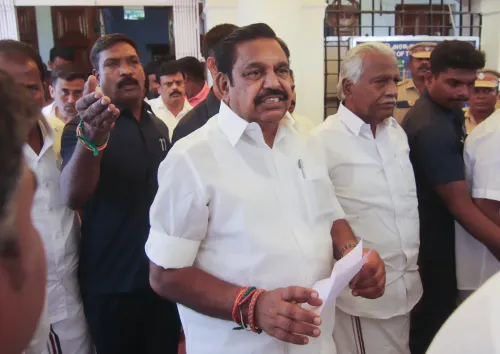
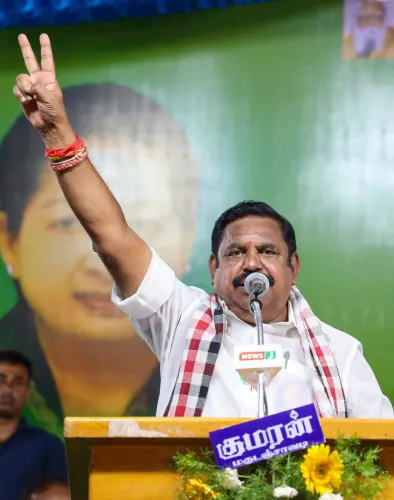
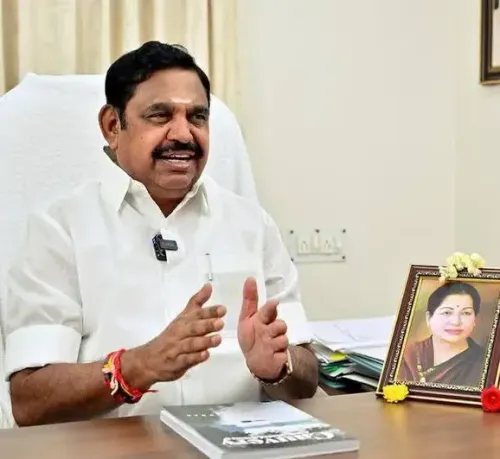
Former Chief Minister and All India Anna Dravida Munnetra Kazhagam (AIADMK) leader Edappadi K. Palaniswami intervened forcefully, stating that the very purpose of electing MLAs was to provide dedicated, on-the-ground representation. Departmental ministers overseeing broad portfolios, he argued, could not substitute for constituency-specific knowledge and accountability.
Government's Assurance and the Escalation
Sengottaiyan acknowledged the gap, saying the government was 'equally keen' to hold elections in the six constituencies at the earliest. 'There is no alternative to holding elections, and we are interested in ensuring that they are conducted as soon as possible,' he said.
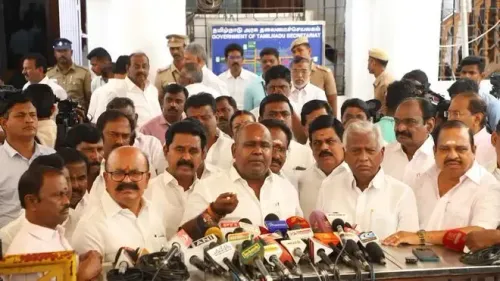
The assurance, however, triggered strong protests from Palaniswami and AIADMK members, sparking a verbal confrontation. Tensions rose further after Palaniswami's microphone was allegedly switched off mid-speech — a move that drew loud objections from the opposition.
Horse-Trading Row and Speaker's Intervention
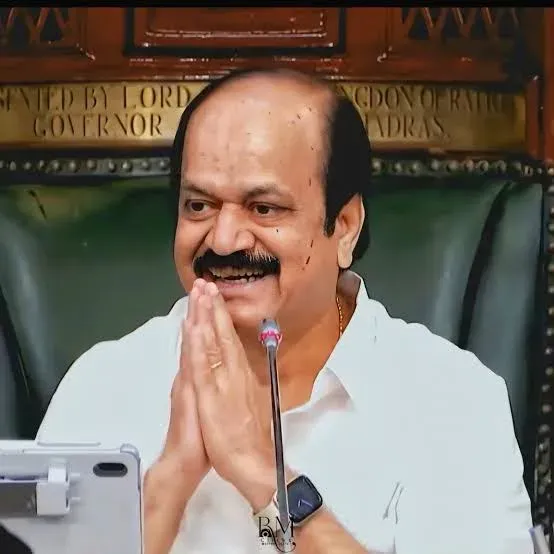
The debate took a sharper turn when Sengottaiyan alluded to alleged political horse-trading. Speaker J.C.D. Prabhakar cautioned the minister against such remarks, noting their connection to pending legal proceedings, and indicated that certain comments would be expunged from Assembly records.
Sengottaiyan then questioned whether the withdrawal of the Tamilaga Vettri Kazhagam (TVK) candidate from the Edappadi constituency did not itself amount to horse-trading. Palaniswami firmly rejected the charge, clarifying that the candidate had not withdrawn voluntarily — his nomination had been rejected.
He also questioned why the individual in question had left one party to join the TVK. As Palaniswami continued speaking at volume, Speaker Prabhakar rose from his chair and asked whether the House was being treated as a public meeting. Palaniswami retorted that he had no option but to stand if he was not permitted to speak. The Speaker urged calm and cautioned him against straining himself physically, before proceedings resumed amid continuing protests.
What This Means for Tamil Nadu Politics
The confrontation underscores a broader constitutional concern: prolonged vacancy in elected seats leaves lakhs of voters without direct representation. With by-elections pending and the horse-trading allegation now part of the Assembly record — even if partially expunged — the political temperature in Chennai is unlikely to cool soon. The Election Commission's timeline for the six by-elections will be closely watched in the coming weeks.
Point of View
Yet the timeline remains vague. The horse-trading allegation, even partially expunged, will feed the opposition's narrative heading into by-elections. And Palaniswami's aggressive floor presence signals that the AIADMK sees these six seats as a political opportunity it cannot afford to cede quietly.
NationPress
9 Oct 2026
Frequently Asked Questions
Why are six Tamil Nadu constituencies without elected MLAs?
The six constituencies are vacant because their sitting MLAs resigned, leaving residents without direct elected representation. The Tamil Nadu government has appointed ministers-in-charge as an interim measure while by-elections are awaited.
What did Minister K.A. Sengottaiyan say about the vacant seats?
Minister K.A. Sengottaiyan told the Assembly that the government had appointed ministers-in-charge for all six constituencies and that Chief Minister C. Joseph Vijay had taken steps to ensure public complaints were heard. He also stated the government was keen to hold by-elections as soon as possible.
Why did Edappadi K. Palaniswami object in the Assembly?
AIADMK leader Edappadi K. Palaniswami argued that ministers managing full departments cannot adequately address constituency-specific concerns, and that the purpose of electing MLAs is precisely to provide dedicated local representation. He also strongly rejected a horse-trading allegation linked to the Edappadi constituency.
What was the horse-trading allegation about?
Minister Sengottaiyan raised the issue of a TVK candidate's withdrawal from the Edappadi constituency, suggesting it amounted to horse-trading. Palaniswami rejected this, saying the candidate's nomination had been rejected, not voluntarily withdrawn. The Speaker advised against such remarks due to pending legal proceedings.
What did the Speaker order regarding the Assembly proceedings?
Speaker J.C.D. Prabhakar ordered that certain remarks connected to pending legal proceedings be removed from the Assembly records. He also intervened when Palaniswami's microphone was allegedly switched off, urging calm and cautioning the AIADMK leader against straining himself physically.