Tamil Nadu CM orders Rs 340 cr for water, farm relief
Synopsis
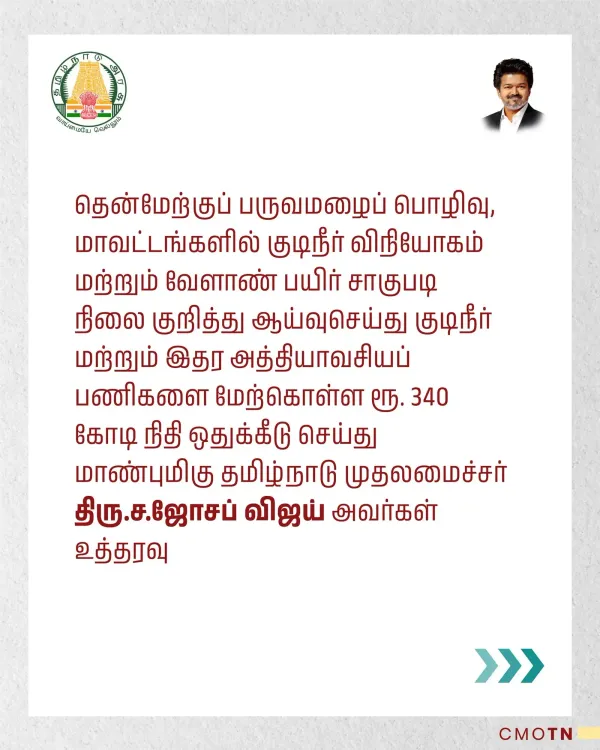
Tamil Nadu Chief Minister C. Joseph Vijay has ordered Rs 340 crore for drinking water supply and agricultural crop cultivation support following a review of southwest monsoon rainfall and district-level water distribution conditions across the state.
Key Takeaways
Rs 340 crore has been allocated by Tamil Nadu CM C.
Joseph Vijay for drinking water and essential works.
The order follows a direct review of southwest monsoon rainfall data, district water distribution, and farm crop sowing status.
Funds target two fronts: drinking water supply to households and agricultural crop cultivation support.
Primary beneficiaries are rural households and farmers across Tamil Nadu's districts.
District administrations are responsible for deploying funds; utilisation and crop progress reports will drive follow-up reviews.
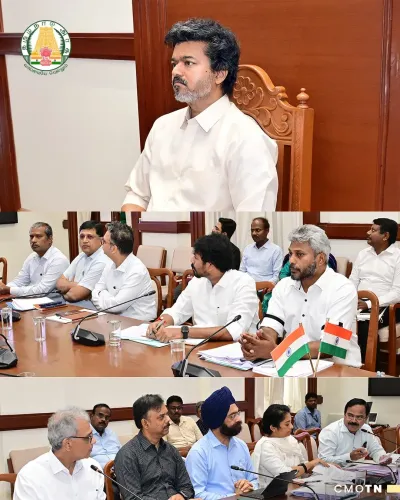
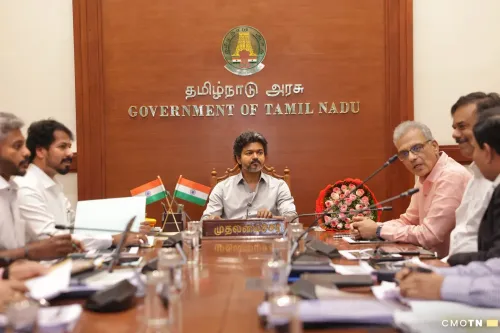
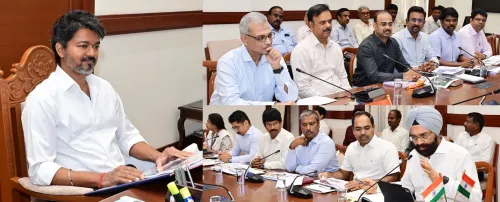
With the southwest monsoon delivering uneven rainfall across Tamil Nadu's districts, the state government has moved swiftly — releasing Rs 340 crore to shore up drinking water supply and support agricultural crop cultivation. The Chief Minister's Office of Tamil Nadu announced on Friday, July 31, 2026, that Chief Minister C. Joseph Vijay issued the order following a detailed review of monsoon conditions, district-wise water distribution, and the status of farm sowing across the state.
What the Rs 340 crore covers
The fund allocation is directed at two immediate pressure points: ensuring uninterrupted drinking water supply to households across districts, and sustaining agricultural activity where monsoon rainfall has been erratic. The CMO's post noted the Chief Minister personally reviewed rainfall data, water distribution logistics, and crop cultivation status before ordering the release — a signal that the decision was data-driven rather than routine.
Tamil Nadu sits at the intersection of two monsoon systems — the southwest monsoon (June–September) and the northeast monsoon — making it unusually sensitive to rainfall variability. When the southwest monsoon underperforms in certain districts, rural households face acute water stress even as farmers scramble to protect standing crops or delay sowing.
A familiar playbook, a significant cheque
Tamil Nadu has a well-established administrative reflex for monsoon contingencies: assess district-level conditions, identify gaps in water infrastructure and agricultural support, then release targeted funds. What stands out here is the scale — Rs 340 crore in a single order — pointing to conditions the government considers serious enough to warrant a large, consolidated response rather than incremental district allocations.
The primary beneficiaries are rural households dependent on government-run water supply schemes and farmers managing kharif crop cycles. District administrations will now be responsible for deploying the funds, with utilisation reports and crop sowing progress likely to drive any follow-up review.
Eyes on district-level delivery
The real test of this allocation will play out at the district level — whether water tankers reach villages facing shortfalls, whether agricultural extension support reaches farmers in time to salvage the sowing season, and whether the funds move fast enough to matter before the monsoon window closes. The Chief Minister's direct involvement in the review sets an accountability marker that district collectors will have to answer to.
For a state where both drinking water access and farm output are politically and economically consequential, a Rs 340 crore monsoon intervention is not a footnote — it is the government's bet that early, large-scale action prevents a seasonal stress from becoming a full-blown crisis.
Point of View
Consolidated monsoon responses over piecemeal district-level drips — a posture that reflects lessons from past seasons where delayed funding worsened rural water stress. The Chief Minister's direct involvement in the pre-order review is a deliberate accountability move, placing the political weight of the outcome on the top office. If district delivery is swift and verifiable, it strengthens the administration's narrative of responsive governance ahead of the critical northeast monsoon season. The allocation also underscores how monsoon variability has become a standing fiscal and political variable for southern state governments, not an exceptional event.
NationPress
31 Jul 2026
Frequently Asked Questions
Why has Tamil Nadu released Rs 340 crore for monsoon relief?
Tamil Nadu CM C. Joseph Vijay ordered the Rs 340 crore release after reviewing southwest monsoon rainfall patterns, district-level drinking water distribution, and agricultural crop sowing status, identifying gaps that required immediate funding.
What will the Rs 340 crore be used for in Tamil Nadu?
The funds are earmarked for drinking water supply works and agricultural crop cultivation support across Tamil Nadu's districts affected by uneven southwest monsoon rainfall.
Who benefits from Tamil Nadu's monsoon fund allocation?
Rural households dependent on government water supply schemes and farmers managing kharif crop cycles are the primary beneficiaries of the Rs 340 crore allocation.
How does Tamil Nadu handle monsoon water shortfalls?
Tamil Nadu periodically reviews monsoon conditions and releases contingency funds for drinking water infrastructure and agricultural support — a standard administrative response to seasonal rainfall variability in the state.
When was the Rs 340 crore Tamil Nadu monsoon fund announced?
The Chief Minister's Office announced the Rs 340 crore allocation on Friday, July 31, 2026 , following CM C. Joseph Vijay's review of monsoon and water distribution data.