PM Modi Speaks With UK PM Burnham, Flags Tech, Defence Ties

Synopsis
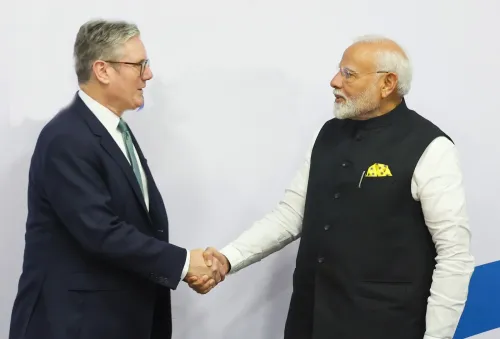
Prime Minister Narendra Modi spoke with newly appointed UK Prime Minister Andy Burnham on 31 July 2026, congratulating him on assuming office and agreeing to collaborate across technology, innovation, defence, security, and clean energy — signalling strong continuity in a relationship already anchored by a Comprehensive Strategic Partnership.
Key Takeaways
PM Modi held a congratulatory call with UK Prime Minister Andy Burnham on 31 July 2026 .
Both leaders agreed to cooperate across technology, innovation, defence, security, and clean energy .
India and the UK elevated ties to a Comprehensive Strategic Partnership in 2021 .
Formal India-UK Free Trade Agreement negotiations were launched in January 2022 and remain a key watch item.
The early outreach follows India's established practice of engaging new UK leadership quickly to set the bilateral agenda.
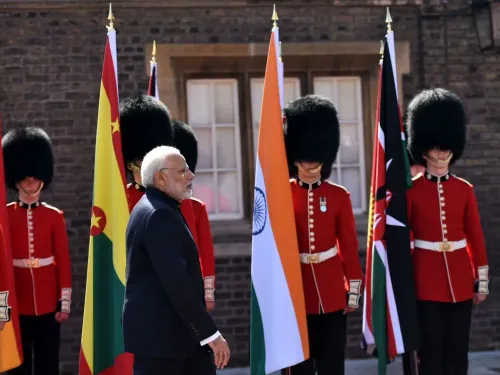
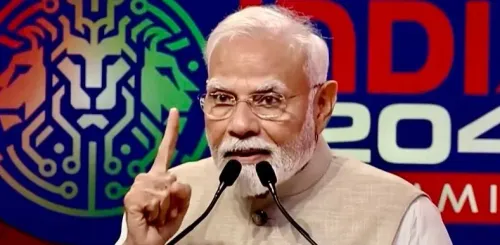
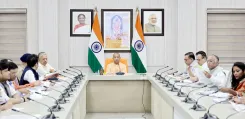
A new chapter in one of the world's most consequential bilateral relationships opened on Friday, 31 July 2026, as Prime Minister Narendra Modi held a telephone conversation with newly appointed United Kingdom Prime Minister Andy Burnham — extending congratulations and immediately steering the exchange toward substantive cooperation.
Modi confirmed the call on X, writing that he was 'delighted to speak' with Burnham and had 'conveyed my best wishes for a successful tenure.' The two leaders agreed to work together across technology, innovation, defence, security, and clean energy — a sweep of sectors that maps almost precisely onto the architecture India and the UK have been building together for years.
A Partnership With Deep Roots
The call lands on well-prepared ground. In 2021, India and the UK elevated their bilateral relationship to a Comprehensive Strategic Partnership — a formal upgrade that signalled intent well beyond trade. Formal negotiations for an India-UK Free Trade Agreement were launched in January 2022, making the economic dimension of the relationship one of the most watched bilateral tracks in Asia-Europe diplomacy.
Defence and security have been consistent pillars. Joint exercises, defence manufacturing cooperation, and intelligence-sharing frameworks have all featured in successive bilateral agendas. Clean energy — now explicitly named again — reflects India's growing emphasis on positioning climate cooperation as a foreign-policy instrument with European partners.
Why the Early Call Matters
India's diplomatic playbook with the UK is well-established: engage new leadership fast, signal continuity, and lock in the sector agenda before the new government's priorities harden. Modi's outreach to Burnham follows that pattern precisely. By naming technology, innovation, defence, security, and clean energy in the very first public communication, New Delhi is signalling that it expects the relationship to deepen — not simply continue.
The Indian diaspora in the United Kingdom, one of the largest and most economically active in Europe, gives both governments a domestic constituency with a direct stake in the relationship's health. That human link has historically given India-UK ties a warmth and resilience that purely transactional partnerships often lack.
The real test now is whether the sector-level intent translates into a summit, a joint project announcement, or — most consequentially — movement on the long-pending free trade deal. Modi has set the tone. Burnham's response will tell the story.
Point of View
Set the agenda' diplomatic doctrine with Western partners. By publicly naming five cooperation sectors in the very first exchange, New Delhi is effectively pre-loading the bilateral agenda before London's new government has fully settled its foreign-policy priorities. The continuity signal matters: the India-UK Comprehensive Strategic Partnership and the pending Free Trade Agreement represent years of accumulated diplomatic capital that India is clearly determined to protect across changes in UK government. Watch whether Burnham reciprocates with an early visit or a joint initiative — that will determine whether this call is a courtesy or a genuine reset.
NationPress
31 Jul 2026
Frequently Asked Questions
Why did PM Modi call UK Prime Minister Andy Burnham?
PM Modi called Andy Burnham to congratulate him on assuming office as UK Prime Minister and to agree on areas of bilateral cooperation including technology, defence, security, and clean energy.
What sectors did India and the UK agree to cooperate on?
The two leaders agreed to work together across technology, innovation, defence, security, and clean energy, according to Modi's post on X dated 31 July 2026.
What is the India-UK Comprehensive Strategic Partnership?
In 2021, India and the UK elevated their bilateral relationship to a Comprehensive Strategic Partnership during a visit by then-UK Prime Minister Boris Johnson, signalling deeper engagement across trade, defence, and people-to-people ties.
What is the status of the India-UK Free Trade Agreement?
Formal negotiations for an India-UK Free Trade Agreement were launched in January 2022. The deal remains a key diplomatic watch item and is expected to feature in future India-UK engagements.
Who is Andy Burnham and what is his political background?
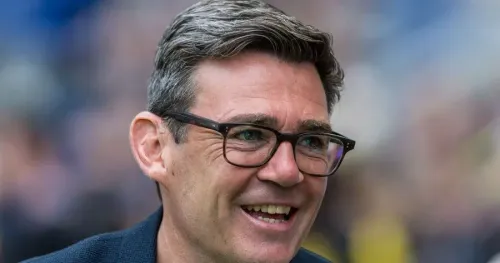
Andy Burnham is a Labour politician who previously served as Mayor of Greater Manchester. He has assumed office as Prime Minister of the United Kingdom, as referenced in PM Modi's post of 31 July 2026.