Tamil Nadu bans random goods vehicle checks, shifts to intelligence-based inspections
Synopsis
Tamil Nadu has quietly dismantled its routine highway interception system for goods vehicles, replacing random roadside squads with intelligence-based flying units that can act only on credible, specific GST violation leads. For truck drivers and traders long plagued by repeated document checks, it is an immediate and practical relief — backed, unusually, by a constitutional provision.
Key Takeaways
Tamil Nadu's Commercial Taxes Commissioner has issued a circular banning random stops of goods vehicles effective immediately.
Existing roving squads have reportedly been disbanded and replaced by flying squads that act only on specific intelligence.
Flying squad personnel will be stationed at the Commercial Taxes Joint Commissioner's office , not on roads.
The circular invokes Article 19(1)(g) of the Constitution, protecting the right to carry on trade and business, as justification.
Enforcement authority for genuine GST violations is retained — only the basis for intervention has changed.
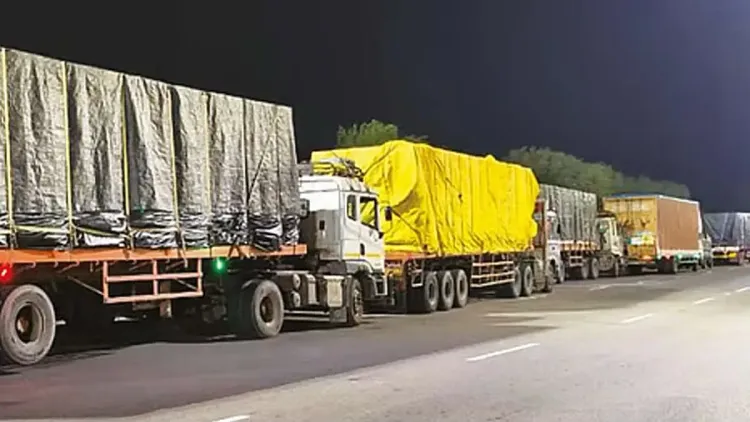
Tamil Nadu's Commercial Taxes Commissioner has issued a circular ordering enforcement officials to stop intercepting goods vehicles without specific, credible grounds — a significant policy shift aimed at easing the burden on truck drivers and traders who have long complained of repeated roadside harassment.
Key Change in Enforcement Approach
Under the revised system, the department's existing 'roving squads' — which conducted routine patrols and random stops — have reportedly been disbanded. They have been replaced by 'flying squads', which will operate exclusively on the basis of credible intelligence pointing to a specific vehicle suspected of violating Goods and Services Tax (GST) laws.
Flying squad personnel will now be stationed at the office of the Commercial Taxes Joint Commissioner rather than circulating on highways. Any inspection will require a concrete, specific basis — not a routine patrol mandate.
The Constitutional Argument
The circular reportedly invokes Article 19(1)(g) of the Indian Constitution, which guarantees citizens the right to freely practise a profession or carry on an occupation, trade, or business. Officials have cited this provision as a foundational argument against stopping vehicles without sufficient justification — an unusual but pointed constitutional grounding for an administrative order.
Why This Matters for Drivers and Traders
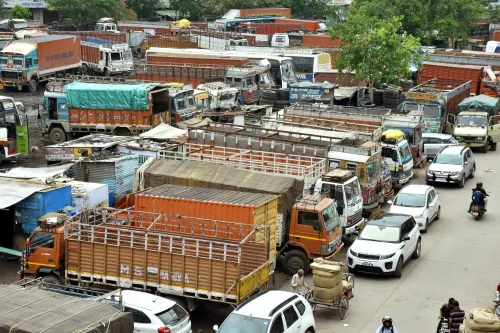
Repeated inspections have been widely described as a serious operational burden for goods transport across Tamil Nadu. Truck drivers frequently face questioning at multiple checkpoints during a single journey, even when all required documentation is in order. Beyond the time cost, such interceptions reportedly cause considerable stress and, according to the circular, also subject drivers to unnecessary embarrassment.
The change is presented as a direct response to these concerns, with the department seeking to balance enforcement effectiveness against the disruption caused to legitimate trade and commerce.
What Remains in Place
The revised framework does not eliminate enforcement — it restructures its basis. Flying squads retain full authority to act when reliable intelligence identifies a suspected GST violation involving a named or identified vehicle. The intent, as stated, is to make enforcement more targeted and less disruptive, not to reduce scrutiny of genuine violations.
The instructions are reported to have taken immediate effect across Tamil Nadu, and are expected to bring relief to lorry owners, drivers, and traders who have regularly faced checks despite carrying compliant paperwork. How consistently the intelligence-based threshold is applied in practice will determine the real-world impact of the reform.
Point of View
Which could provide traders and drivers a stronger basis to contest arbitrary stops if the circular is tested legally. Tamil Nadu's commercial transport sector, long vocal about checkpoint harassment, will be watching implementation closely.
NationPress
28 Oct 2026
Frequently Asked Questions
What has Tamil Nadu changed about goods vehicle inspections?
Tamil Nadu's Commercial Taxes Commissioner has issued a circular prohibiting officials from stopping and checking goods vehicles without a specific, credible basis. Random roadside checks by roving squads have been replaced by a flying squad system that operates only on intelligence pointing to a suspected GST violation.
What is the difference between roving squads and flying squads in Tamil Nadu?
Roving squads conducted routine road patrols and stopped vehicles at will, including those carrying valid documentation. Flying squads, by contrast, are stationed at the Commercial Taxes Joint Commissioner's office and can only act when reliable intelligence identifies a specific vehicle suspected of a GST violation.
Why has Tamil Nadu made this change to vehicle inspection rules?
The change addresses longstanding complaints from truck drivers and traders who faced repeated checks at multiple points during journeys, even with all documents in order. The circular also cites Article 19(1)(g) of the Constitution, which protects citizens' right to freely carry on trade or business.
Does this mean GST enforcement on goods vehicles has stopped in Tamil Nadu?
No. Enforcement authority remains fully intact. Flying squads can still inspect any vehicle if credible, specific intelligence about a GST violation exists. The reform changes the threshold for intervention, not the department's legal powers.
When did Tamil Nadu's new goods vehicle inspection rules take effect?
The instructions are reported to have taken immediate effect across Tamil Nadu from the date of the circular's issuance on or around 28 October 2026.