Will Tamil Nadu Experience Rain for the Next Three Days? Fishermen Urged to Stay Ashore
Synopsis
Forecasts indicate that Tamil Nadu will experience moderate rainfall over the next three days, with specific regions like Thanjavur and Pudukkottai seeing significant precipitation. Fishermen are advised to stay on land due to dangerous sea conditions. Stay informed as the weather evolves, and ensure safety measures are in place during this period.
Key Takeaways
Moderate rainfall forecasted across Tamil Nadu.
Delta districts like Thanjavur and Nagapattinam will see significant precipitation.
Fishermen are advised to stay ashore due to hazardous sea conditions.
Temperatures are expected to be below normal .
Precautions are necessary for colder regions.
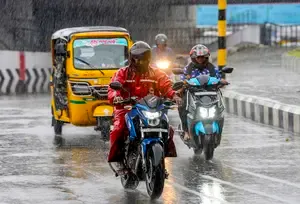
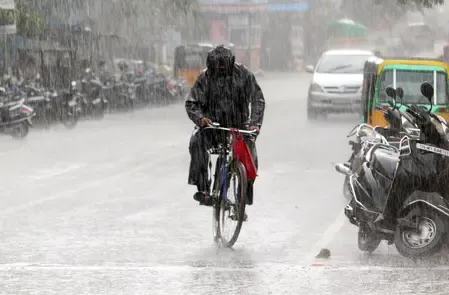
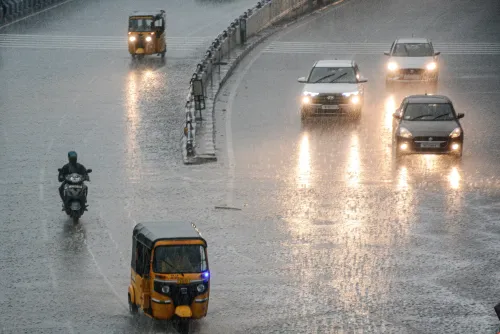
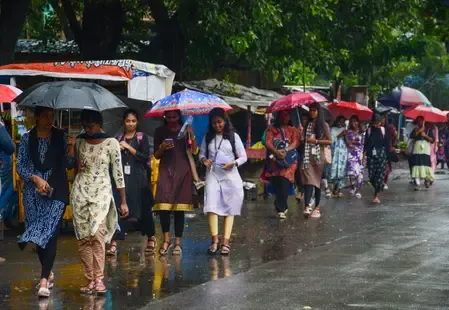
Chennai, Dec 29 (NationPress) The India Meteorological Department (IMD) has predicted moderate rainfall across various regions of Tamil Nadu over the next three days due to an active atmospheric circulation affecting the Comorin area and the neighboring southeast Arabian Sea.
The Weather Department indicates that delta districts such as Thanjavur, Tiruvarur, Nagapattinam, Mayiladuthurai, and Pudukkottai are likely to see moderate rainfall on Monday.
Similar weather patterns are expected to persist in both southern and northern Tamil Nadu for the next two days.
The IMD mentioned that while most interior regions of the state may encounter generally dry weather, isolated rainfall is anticipated in certain areas.
Additionally, light fog is expected during the early morning hours in various locations, particularly in inland districts.
The forecast predicts that minimum temperatures throughout Tamil Nadu and Puducherry will likely remain 2 to 3 degrees Celsius below average in the upcoming days.
Colder conditions are forecasted in elevated areas, with potential frost or cold spells occurring in hilly regions like the Nilgiris and Kodaikanal. Residents in these regions are urged to take precautions against the chilly weather.
In Chennai, the maximum temperature is expected to be around 30 degrees Celsius. Early morning mist or light fog might affect visibility in some parts of the city.
Meanwhile, the IMD has released a strong advisory for fishermen, warning them to avoid venturing into the sea along the southern coast of Tamil Nadu, the Gulf of Mannar, and the surrounding Kumari sea area. Wind speeds in these regions could reach up to 65 kilometers per hour, resulting in rough and potentially hazardous sea conditions.
Fishermen are recommended to remain onshore until conditions improve, and authorities are tasked with monitoring the situation and providing timely warnings to coastal communities.
Point of View
It is crucial to highlight the importance of weather updates, especially with the approaching rainfall in Tamil Nadu. The advisory for fishermen underlines the need for public safety and preparedness. Our commitment to delivering timely and accurate information is paramount to ensure that communities can take necessary precautions and navigate these weather changes effectively.
NationPress
24 Sept 2026
Frequently Asked Questions
What regions in Tamil Nadu will experience rain?
Moderate rainfall is expected in delta districts including Thanjavur, Tiruvarur, Nagapattinam, Mayiladuthurai, and Pudukkottai.
What is the advisory for fishermen?
Fishermen are advised to refrain from venturing into the sea along the southern Tamil Nadu coast, the Gulf of Mannar, and the Kumari sea region due to rough sea conditions.
What temperatures are expected in Tamil Nadu?
Minimum temperatures are likely to be 2 to 3 degrees Celsius below normal, with colder conditions in higher altitudes.
Will there be fog in the mornings?
Yes, light fog is expected during the early morning hours in various inland districts.
How should residents prepare for the cold?
Residents in hilly regions like the Nilgiris and Kodaikanal are advised to take precautions against the cold weather, including dressing warmly.