Tamil Nadu Implements Framework to Assess Urban Tree-Planting Climate Impact
Synopsis
Tamil Nadu is pioneering a structured framework to measure the environmental and climatic impact of urban tree-planting initiatives. This innovative approach aims to quantify the multifaceted benefits of urban forestry and integrate them into climate planning, marking a significant step toward sustainable urban development.
Key Takeaways
Tamil Nadu is implementing a structured framework for assessing urban tree-planting impacts.
The initiative aims to quantify environmental benefits beyond aesthetics.
Over 14.16 crore seedlings have been planted through the Green Tamil Nadu Mission.
Key indicators include urban heat reduction and improved biodiversity.
Addressing challenges like land availability is crucial for success.
Chennai, March 9 (NationPress) The state of Tamil Nadu is embarking on a significant initiative to establish a comprehensive framework for assessing the environmental and climatic effects of urban tree-planting programs.
A recently developed roadmap suggests a methodical approach to measure how increasing urban green spaces aids in climate change mitigation and fortifies ecological resilience in cities.
This framework is designed to offer a dependable mechanism to evaluate the various environmental advantages brought about by urban forestry efforts. These benefits range from enhancing aesthetic appeal and biodiversity to facilitating carbon sequestration, lowering urban temperatures, boosting groundwater recharge, improving flood management, and ensuring ecological stability in rapidly growing urban areas.
Formulated under the Indo-German Support Project for Climate Action in India, this roadmap aims to weave climate-centric assessments into urban forestry strategies in Tamil Nadu.
Experts involved in this initiative have stressed the necessity of developing quantifiable indicators to incorporate the environmental benefits of tree-planting programs into broader climate planning and sustainability frameworks.
Historically, urban forestry initiatives in Tamil Nadu have focused on increasing green cover, restoring ecological balance, and enhancing urban biodiversity. However, the broader climate advantages arising from these efforts have yet to be systematically assessed.
The lack of reliable data has hindered the incorporation of urban forestry impacts into policy planning, climate reporting, and investment strategies.
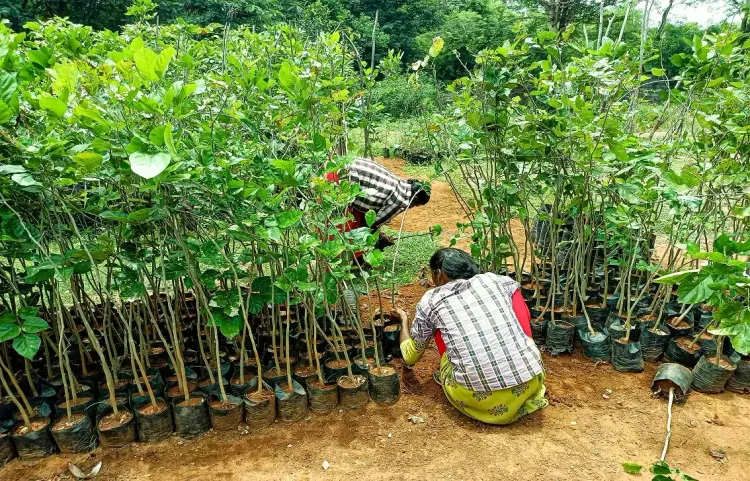
In recent years, Tamil Nadu has undertaken extensive tree-planting through the Green Tamil Nadu Mission. From 2022-23 to 2025-26, over 14.16 crore seedlings have been planted statewide, covering approximately 1.28 lakh hectares.
Initial assessments suggest that these tree plantations could sequester between 200,000 and 300,000 tonnes of carbon dioxide annually.
While detailed data on urban plantations is still being compiled, preliminary estimates indicate that around 2.5 million seedlings have already been planted in urban regions throughout the state, with plans to plant an additional 700,000 seedlings this year.
Despite the scale of this initiative, urban forestry programs face challenges such as limited land availability in cities and the need for ongoing maintenance of these plantations. The proposed methodology is intended to measure both the climate mitigation and adaptation benefits offered by urban forests.
Carbon dioxide removal will be assessed through biomass accumulation in trees, utilizing field measurements such as trunk diameter and standard carbon sequestration factors.
In addition to carbon capture, the framework outlines four essential adaptation indicators: minimizing urban heat island effects, enhancing groundwater recharge, improving stormwater and flood management, and bolstering biodiversity within urban ecosystems.
Trees are integral to reducing temperatures through shading and evapotranspiration, while vegetation also enhances soil infiltration and decreases surface runoff during heavy rainfall.
Several institutional and technical barriers have been identified for implementing the monitoring system, including the absence of baseline environmental data, limited technical training for field personnel, and insufficient utilization of modern monitoring technologies like remote sensing and environmental sensors.
The roadmap advocates for a phased implementation of the framework via pilot studies, policy guidance, and capacity-building initiatives. By integrating climate benefit assessments into current urban forestry programs, authorities aim to enrich environmental planning and monitor the long-term climate benefits of tree-planting efforts.
Point of View
Tamil Nadu's initiative to measure the climate impact of urban tree-planting signifies a proactive step towards integrating sustainability into urban planning. This structured approach not only enhances environmental quality but also sets a precedent for other states to follow in combating climate change.
NationPress
17 Sept 2026
Frequently Asked Questions
What is the purpose of Tamil Nadu's new framework for urban tree planting?
The framework aims to evaluate the environmental and climate impacts of urban tree-planting initiatives, focusing on quantifying benefits like carbon capture and ecological resilience.
How many seedlings have been planted under the Green Tamil Nadu Mission?
Over 14.16 crore seedlings have been planted across Tamil Nadu between 2022 and 2026, covering approximately 1.28 lakh hectares.
What are the key indicators of climate adaptation in the new framework?
The framework identifies four adaptation indicators: reduction of urban heat island effects, improved groundwater recharge, better stormwater management, and enhanced biodiversity.
What challenges do urban forestry programs in Tamil Nadu face?
Challenges include limited land availability in urban areas and the ongoing maintenance needs of tree plantations.
How will carbon sequestration be measured in urban trees?
Carbon sequestration will be estimated through biomass accumulation in trees, using field measurements like trunk diameter and established carbon sequestration factors.