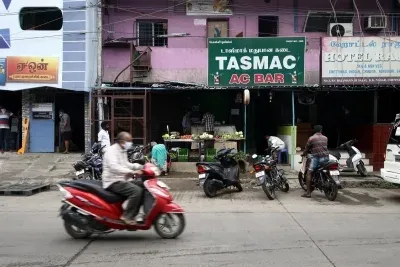
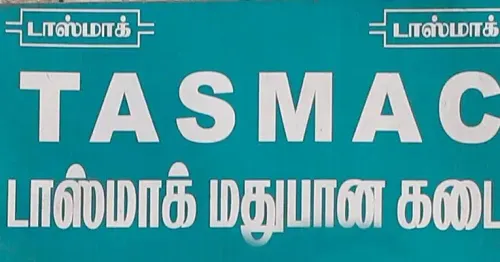
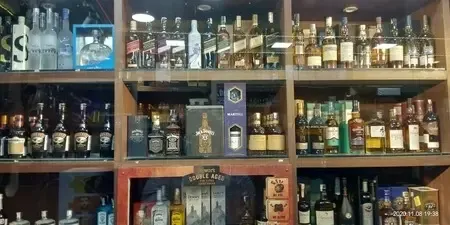
TASMAC bottle deposit: Rs 10 extra per bottle from October, refund on return
Synopsis
Tamil Nadu's TASMAC is set to add Rs 10 to every liquor bottle sold from the first week of October — but customers get it back when they return the empty. With a tax law already amended to allow up to Rs 20, and implementation timed after two bypolls, this deposit-refund scheme is part environmental fix, part political calculation.
Key Takeaways
TASMAC customers will pay Rs 10 extra per bottle from the first week of October 2026 , over and above the printed MRP.
The additional amount is a refundable deposit — customers returning empty bottles will receive the full Rs 10 back.
The Tamil Nadu government has amended the tax law to allow an environmental and social welfare levy of up to Rs 20 per bottle; the initial charge is set at Rs 10.
The scheme aims to tackle bottle littering and improve recycling at TASMAC outlets across the state.
Rollout is reportedly timed to follow the Madurantakam and Tiruppur assembly bypolls.
Exact start date and refund procedures have not yet been officially confirmed .
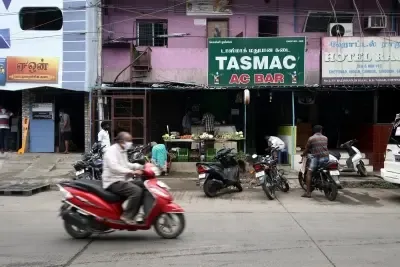
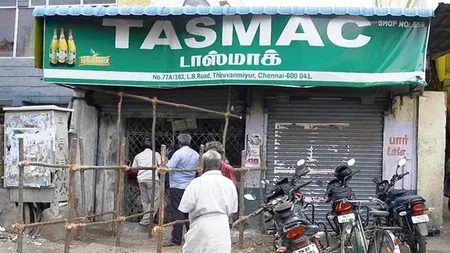
Customers purchasing liquor from Tamil Nadu State Marketing Corporation (TASMAC) outlets are expected to pay an additional Rs 10 per bottle from the first week of October 2026, under a proposed bottle-deposit arrangement that promises a full refund when empty bottles are returned to the point of sale. The charge will be levied over and above the maximum retail price (MRP) printed on each bottle.
How the Deposit Arrangement Works
The additional Rs 10 will be collected by TASMAC at the time of purchase and will be identified separately from the liquor price itself. Customers who return their empty bottles to any TASMAC outlet will receive the full Rs 10 back. Crucially, the measure is not a permanent increase in the retail price of liquor — it functions as a refundable deposit tied directly to bottle return.
According to reports, the state government has amended the relevant tax law to permit an environmental and social welfare levy of up to Rs 20 per bottle. However, the proposed implementation reportedly fixes the initial collection at Rs 10 — half the permissible ceiling — leaving room for a future increase if the scheme requires it.
Why the Government Is Introducing This Levy
The core objective, according to reports, is to address the widespread problem of discarded liquor bottles littering public spaces across Tamil Nadu. By creating a financial incentive for buyers to return empty containers, the arrangement is designed to improve bottle collection rates and support recycling. This comes amid long-standing civic complaints about glass bottle waste near TASMAC outlets, particularly in urban and semi-urban areas.
Notably, the deposit-refund model mirrors similar schemes used in several countries and Indian states to manage beverage container waste, though a large-scale rollout through a state-run liquor monopoly of TASMAC's scale — which operates thousands of outlets across Tamil Nadu — would mark a significant step for the sector in southern India.
Implementation Timeline and Bypolls Link
Implementation is reportedly planned to follow the conclusion of the Madurantakam and Tiruppur assembly bypolls, with the first week of October indicated as the likely start. The decision to defer rollout until after the bypolls suggests a degree of political sensitivity around the measure, critics argue, though the government has not commented publicly on the sequencing.
Reports did not specify an exact commencement date. Detailed operational procedures — including how customers will claim refunds and whether a token or receipt system will be used — have also not been disclosed, leaving key logistical questions unanswered ahead of the proposed launch.
What Buyers Should Expect
For TASMAC customers, the immediate effect will be a higher outlay at the counter. A buyer purchasing a single bottle will pay the MRP plus Rs 10; those buying multiple bottles will pay the deposit on each. The deposit is fully recoverable, meaning disciplined bottle-return behaviour makes the scheme cost-neutral for the consumer. However, buyers who discard bottles — as many currently do — will effectively bear the Rs 10 cost per bottle as a de facto penalty.
The finer details of the refund mechanism will ultimately determine how accessible and functional the arrangement proves for ordinary customers once it goes live at TASMAC outlets statewide.
Point of View
But its credibility will hinge entirely on the refund infrastructure — something the government has yet to spell out. Deposit-refund models work when return points are convenient and the process is frictionless; if customers must queue at the same TASMAC counter to claim Rs 10, compliance will be low and the scheme will function less as a recycling incentive and more as a stealth price hike. The decision to launch only after the Madurantakam and Tiruppur bypolls is telling: it signals the government itself is uncertain how voters will receive it. The gap between the legislated ceiling of Rs 20 and the proposed Rs 10 also leaves a back door open for a future hike with no fresh parliamentary action required.
NationPress
23 Sept 2026
Frequently Asked Questions
What is the TASMAC bottle deposit scheme?
It is a proposed arrangement under which TASMAC will charge customers Rs 10 extra per liquor bottle at the time of purchase, over and above the MRP, and refund that amount when the empty bottle is returned. The scheme is designed to reduce bottle littering and improve recycling across Tamil Nadu.
When will the Rs 10 bottle charge come into effect?
Implementation is expected in the first week of October 2026, reportedly after the Madurantakam and Tiruppur assembly bypolls. No exact start date has been officially confirmed.
Is the Rs 10 charge permanent or refundable?
It is fully refundable. The Rs 10 is a deposit, not a price increase — customers who return empty bottles to TASMAC outlets will get the amount back. Only those who discard their bottles will end up paying the charge.
How much levy does the Tamil Nadu government's amended law permit?
The amended tax law allows an environmental and social welfare levy of up to Rs 20 per bottle. The initial proposed collection has been fixed at Rs 10, meaning the government retains the option to raise it up to Rs 20 without fresh legislation.
What happens if a customer does not return the bottle?
Customers who do not return their empty bottles will forfeit the Rs 10 deposit, effectively paying it as a one-time environmental levy. The arrangement leaves no scope for collecting any additional amount beyond the MRP plus the stipulated Rs 10 deposit.