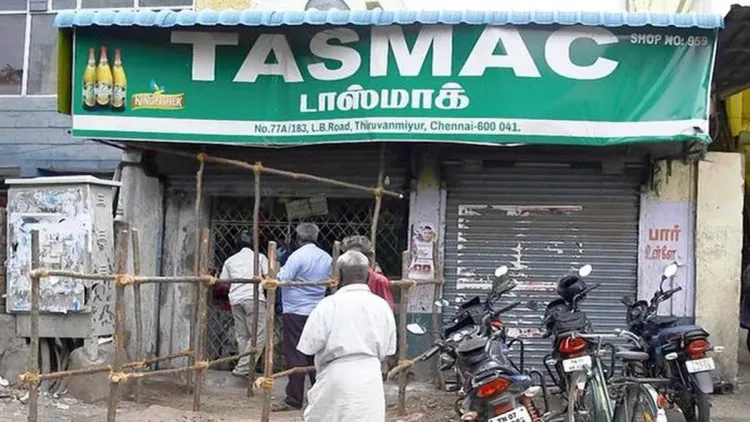
Tasmac to roll out bottle return machines at 4,068 outlets across Tamil Nadu
Synopsis
Tasmac's Chennai pilot saw 80 per cent of empty bottles returned through automated machines — and now the corporation wants to replicate that across all 4,068 outlets in Tamil Nadu. The RVM rollout is the biggest upgrade to a Madras High Court-mandated buyback scheme that started in the Nilgiris in 2023, and it could fundamentally change how liquor waste is managed across the state.
Key Takeaways
Tasmac has invited bids to install reverse vending machines (RVMs) at all 4,068 retail outlets across Tamil Nadu .
A Chennai pilot recorded a bottle return rate of nearly 80 per cent , prompting the statewide expansion.
Customers will receive the ₹10 refundable deposit digitally via UPI or QR code after scanning and depositing the empty bottle.
The rollout will be phase-wise, prioritising urban and high-revenue outlets first.
The buy-back scheme was originally mandated by the Madras High Court to address liquor bottle waste in forests and tourist spots, and was first launched in the Nilgiris in 2023 .
Tamil Nadu State Marketing Corporation (Tasmac) is preparing to expand its automated bottle buy-back system statewide, inviting bids to install reverse vending machines (RVMs) at all 4,068 of its retail outlets across Tamil Nadu. Customers who return empty liquor bottles through these machines will receive the ₹10 refundable deposit digitally, via UPI or a QR code-based payment system.
How the Pilot Performed
The decision follows a trial run at select Tasmac shops in Chennai, which reportedly drew an encouraging response. According to a senior Tasmac official, nearly 80 per cent of empty liquor bottles sold at pilot outlets were returned through the machines — a recovery rate that gave the corporation confidence to pursue a full statewide rollout.
How the Machines Work
Under the proposed system, customers returning empty bottles must scan the code printed on each bottle before placing it inside the machine. The ₹10 deposit — collected at the point of purchase — is then transferred digitally to the customer through a UPI-based or QR code payment mechanism. The process is designed to be self-service, reducing the need for staff intervention.
Phase-Wise Rollout Plan
The statewide expansion will be carried out in phases. During the first phase, priority will be given to shops in urban areas and high-revenue outlets that handle a large volume of bottles. The system will subsequently be extended to remaining retail shops across the state. Tasmac is pursuing the expansion through a formal tender process.
Why Tasmac Is Automating the Process
The existing bottle buy-back programme relies on Tasmac employees to manually receive, sort, and store returned bottles — a process that adds significantly to their workload and has created storage problems at several outlets. The automated machines are intended to address these operational bottlenecks while also improving refund convenience for customers.
Notably, the buy-back scheme itself was introduced following directions from the Madras High Court, which took up cases concerning liquor bottles discarded in forests and tourist destinations. Such waste had posed threats to wildlife and created environmental and safety hazards. Tasmac first implemented the programme in the Nilgiris in 2023 before gradually extending it to other parts of the state.
Political and Environmental Context
After the TVK government assumed office, the corporation began exploring automated collection as a means to simplify returns and ease pressure on retail staff. Officials believe the RVM rollout will improve overall bottle recovery rates, promote responsible disposal, and make the refund process more accessible to customers across Tamil Nadu. This is the most significant expansion of the scheme since its inception.
Point of View
And scaling to 4,068 outlets across Tamil Nadu's varied geographies is a different challenge entirely. The scheme's origins in a Madras High Court order on environmental waste give it legal weight, but execution will depend on whether the tender process delivers machines that are reliable, tamper-resistant, and accessible to customers who may not be digitally fluent. The TVK government's push to automate also carries a labour dimension: Tasmac employees currently handle returns manually, and while automation reduces their burden, it also quietly shifts accountability away from staff — a transition that will need managing. The real metric to watch is not machine installation numbers, but the post-rollout return rate outside Chennai.
NationPress
26 Aug 2026
Frequently Asked Questions
What are the reverse vending machines Tasmac plans to install?
Reverse vending machines (RVMs) are automated kiosks where customers can deposit empty liquor bottles and receive the ₹10 refundable deposit digitally via UPI or QR code. Tasmac is inviting bids to install these at all 4,068 of its retail outlets across Tamil Nadu.
How does the Tasmac bottle buy-back scheme work?
When purchasing liquor from a Tasmac outlet, customers pay an additional ₹10 refundable deposit per bottle. This amount is reimbursed when the empty bottle is returned. Under the new automated system, customers scan the code on the bottle, place it in the machine, and receive the ₹10 refund digitally.
Why was the bottle buy-back scheme introduced in Tamil Nadu?
The scheme was introduced following directions from the Madras High Court, which addressed cases of liquor bottles being discarded in forests and tourist destinations. The waste posed threats to wildlife and created environmental and safety hazards. Tasmac first launched the programme in the Nilgiris in 2023.
What was the outcome of the Chennai pilot for bottle return machines?
The Chennai pilot reportedly received an encouraging response, with nearly 80 per cent of empty bottles sold at covered outlets returned through the machines, according to a senior Tasmac official. This result prompted the decision to expand the system statewide.
Which outlets will get the machines first?
The rollout will be phase-wise. During the first phase, priority will be given to urban outlets and high-revenue shops that sell a large number of bottles. The system will then be extended to other retail outlets across Tamil Nadu.