Sabarimala reforms 2025: TDB scraps Ayyappa Sangamam, adds AI crowd control
Synopsis
The Travancore Devaswom Board has quietly buried the Ayyappa Sangamam — the politically charged gathering that many blame for the LDF's electoral loss — while simultaneously announcing the most sweeping operational overhaul Sabarimala has seen in years, including AI crowd control, near-total online booking, and five Padi Poojas a day to clear a waiting list that runs to 2048.
Key Takeaways
The Travancore Devaswom Board (TDB) announced sweeping Sabarimala reforms on 10 July , ahead of the pilgrimage season starting mid-November .
The Ayyappa Sangamam has been discontinued; TDB President K.
Jayakumar said Lord Ayyappa needs no publicity.
Online accommodation at Sannidhanam expanded from 190 to 550 rooms out of 690 , with the security deposit abolished.
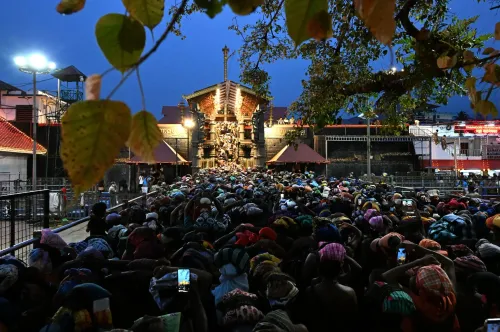
AI-enabled control rooms will be set up at TDB headquarters and Sannidhanam for real-time crowd management.
Padi Pooja will be conducted five times daily instead of once; bookings were already full until 2048 .
Families of 54 pilgrims who died last season will each receive ₹1 lakh in insurance assistance.
The Travancore Devaswom Board (TDB) on Friday, 10 July announced a sweeping overhaul of the Sabarimala pilgrimage ahead of the two-month annual season beginning in mid-November, unveiling complete digitisation of pilgrim services, AI-based crowd management, and a major expansion of online accommodation booking. TDB President K. Jayakumar also confirmed that the Ayyappa Sangamam — a large-scale devotional gathering — will not be held this year.
Ayyappa Sangamam Discontinued
Jayakumar stated plainly that Lord Ayyappa does not require publicity, signalling a deliberate shift in the Board's approach from high-profile events toward on-ground facility improvement. The decision carries considerable political weight: the previous Ayyappa Sangamam drew sharp criticism after the participation of then Chief Minister Pinarayi Vijayan and SNDP Yogam General Secretary Vellappally Natesan. Political observers have cited the event as one of the factors that alienated sections of traditional devotees and contributed to the Left Democratic Front (LDF)'s defeat in the subsequent Assembly elections.
Digital Overhaul of Accommodation
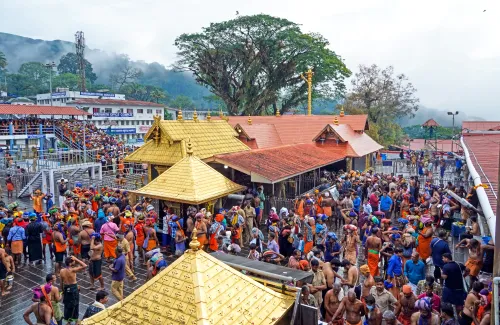
All accommodation at Sannidhanam will now be managed through an online booking system. Of the 690 rooms available, only 190 had previously been allotted online. The Board has now made 550 rooms available for online booking this season, abolishing the long-standing security deposit. Pilgrims may reserve rooms by paying the rent in advance along with a service charge of ₹50.
Housekeeping services, hitherto absent, will be outsourced. An additional 60 rooms are proposed to be constructed at Sabari Guest House, subject to approval from the High Power Committee and the Kerala High Court.
AI Control Rooms and Padi Pooja Expansion
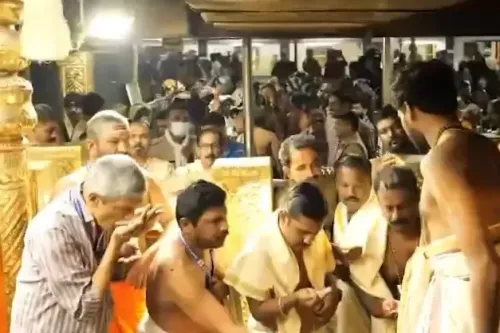
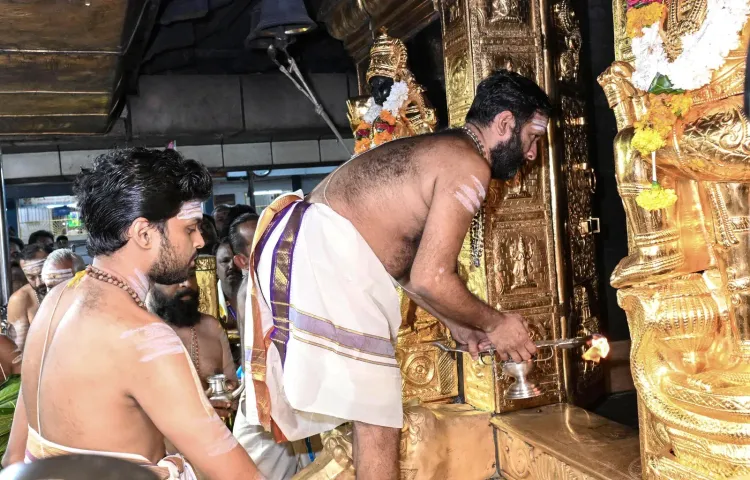
AI-enabled control rooms will be established at both TDB headquarters and at Sannidhanam to monitor pilgrim movement and manage crowds in real time. With bookings for the popular Padi Pooja already filled until 2048, the Board — with the Thantri's approval — has decided to conduct five Padi Poojas per day instead of one, significantly widening access for devotees.
Pilgrim Welfare and Insurance
Families of the 54 pilgrims who died during the previous pilgrimage season will each receive ₹1 lakh in insurance assistance, drawn from a fund built through the ₹5 collected with every virtual queue ticket. The Board is also in discussions with the Life Insurance Corporation of India (LIC) to introduce comprehensive insurance coverage for all pilgrims beginning this season.
Individual sponsorship of the Annadanam scheme will be discontinued; the Board will instead serve a standardised Kerala-style meal to all pilgrims. Sannidhanam and its surroundings will undergo post-monsoon deep cleaning through the Clean Kerala Company. The Vasthuvidya Gurukulam has been appointed consultant for future construction, while a dedicated technical quality engineering team will oversee infrastructure at transit centres.
What Comes Next
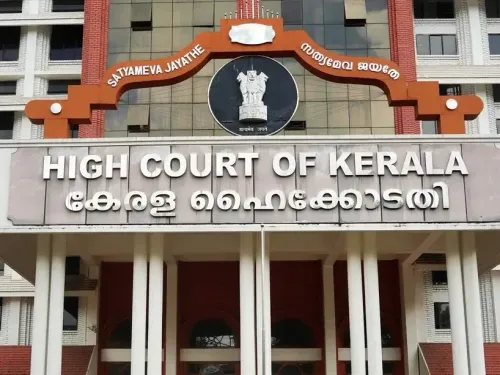
The reforms represent the most comprehensive restructuring of Sabarimala's operational framework in recent memory, touching accommodation, crowd safety, welfare, and ritual access simultaneously. With the pilgrimage season roughly four months away, the Board's ability to execute — particularly the AI infrastructure and expanded online systems — will be closely watched by both devotees and the Kerala High Court, which continues to monitor developments at the shrine.
Point of View
From VIP gatherings to AI-managed queues. The real test will be execution. Sabarimala's crowd tragedies have historically stemmed not from a lack of plans but from a failure to implement them under the pressure of millions of pilgrims arriving in a compressed window. The Kerala High Court's continued oversight is the most credible accountability mechanism in play.
NationPress
9 Oct 2026
Frequently Asked Questions
Why has the Travancore Devaswom Board cancelled the Ayyappa Sangamam?
TDB President K. Jayakumar said Lord Ayyappa does not require publicity, indicating the Board will focus on pilgrim facilities instead. The previous Ayyappa Sangamam drew sharp criticism over the participation of political figures and has been linked by observers to the LDF's poor showing in subsequent Assembly elections.
How has online accommodation booking at Sabarimala changed?
The TDB has expanded online room availability at Sannidhanam from 190 to 550 out of 690 total rooms for the 2025 pilgrimage season. The security deposit has been abolished; pilgrims pay rent in advance plus a ₹50 service charge.
What is the new Padi Pooja arrangement at Sabarimala?
With Padi Pooja bookings already full until 2048, the TDB — with the Thantri's approval — will now conduct five Padi Poojas per day instead of one, significantly increasing access for devotees.
What insurance support will families of deceased pilgrims receive?
Families of the 54 pilgrims who died during the previous Sabarimala season will each receive ₹1 lakh in insurance assistance, funded by the ₹5 collected with every virtual queue ticket. The Board is also in talks with LIC for broader pilgrim insurance coverage.
When does the Sabarimala pilgrimage season begin in 2025?
The two-month annual Sabarimala pilgrimage season is scheduled to begin in mid-November 2025. The TDB announced its reform package on 10 July to allow sufficient lead time for implementation.