Tejashwi Yadav gets bail in COVID-era protest case at Patna court
Synopsis
Six years after a COVID-lockdown protest FIR was filed against him, Bihar's Leader of the Opposition Tejashwi Yadav walked out of Patna's MP/MLA Court on bail — and immediately turned the moment into a political offensive, calling the case coercive and linking PM Modi's energy-conservation appeal to a pattern of policy failure.
Key Takeaways
Tejashwi Yadav was granted bail on 14 May 2025 by the MP/MLA Court, Patna in a six-year-old COVID-era protest case.
The case relates to demonstrations and sit-ins Yadav led during the COVID-19 lockdown to highlight the crisis faced by migrant workers .
Yadav alleged the FIR was 'forcibly registered' by the administration as a response to legitimate political opposition.
He criticised PM Modi's recent energy-conservation appeal, calling it evidence of policy failure and drawing a parallel with demonetisation .
The bail order was accepted by the court of Judge Praveen Kumar Malviya after Yadav surrendered before it.
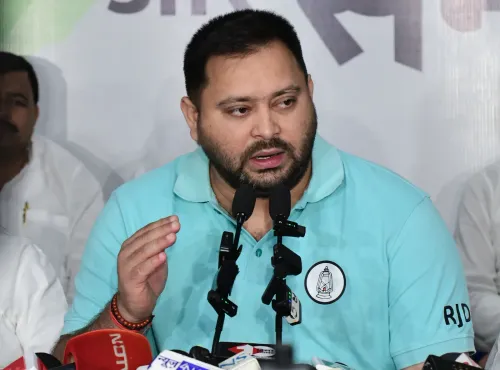
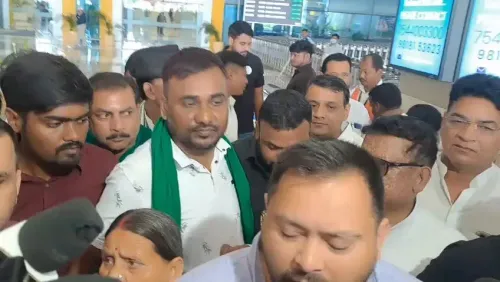
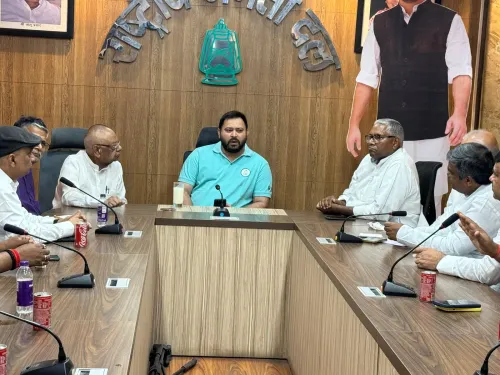
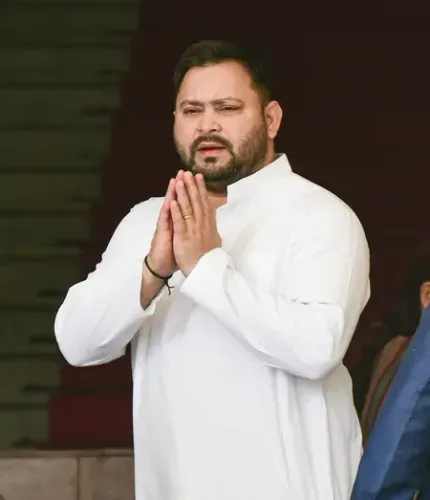
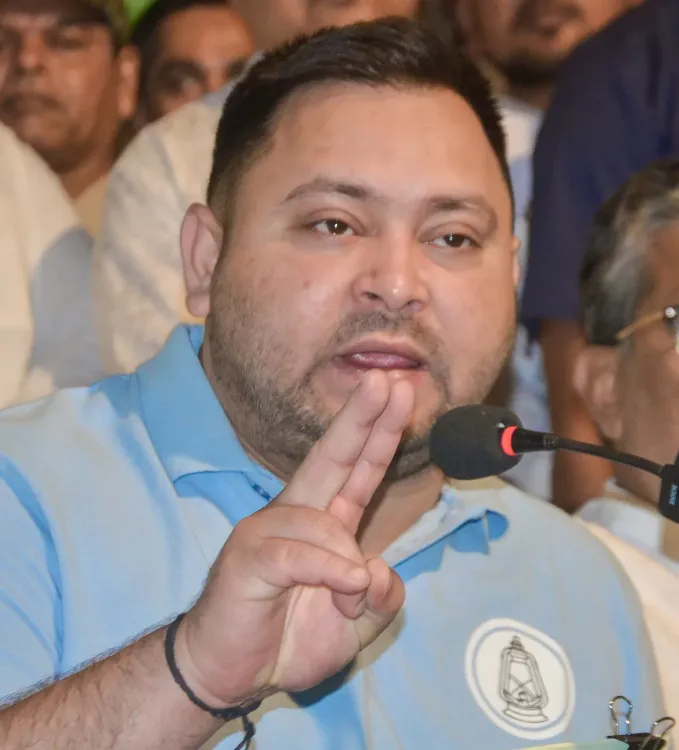
Rashtriya Janata Dal (RJD) leader and Leader of the Opposition in Bihar, Tejashwi Yadav, was granted bail on Thursday, 14 May in a six-year-old case stemming from protests organised during the COVID-19 pandemic. He appeared before the MP/MLA Court in Patna and surrendered before the court of Judge Praveen Kumar Malviya, following which his bail application was accepted.
What the Case Is About
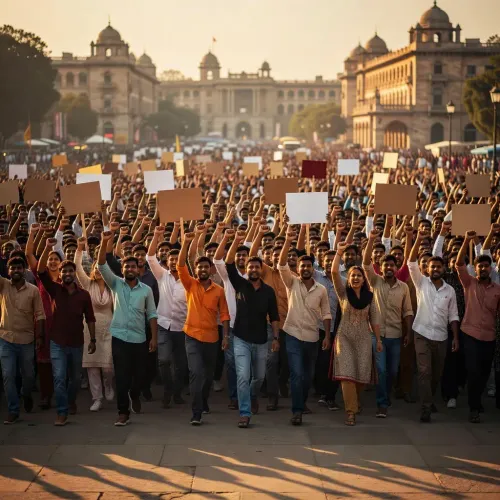
The case pertains to demonstrations and sit-ins that Tejashwi Yadav led during the COVID-19 lockdown period to highlight public grievances, particularly the plight of migrant workers. An FIR was registered against him under provisions related to alleged violations of pandemic guidelines.
According to Yadav, the case was filed by the administration in what he described as a coercive response to legitimate political opposition. The case is among several registered across the country during that period, when protests over lockdown measures and the migrant worker crisis drew police action in multiple states.
What Tejashwi Yadav Said
Speaking to reporters outside the court after securing bail, Yadav said: 'During the COVID period, a case was forcibly registered against me by the administration. As a public representative, I organised protests to raise issues affecting the public.'
He recalled the acute hardships faced by migrant workers during the pandemic — thousands of whom were forced to walk hundreds of kilometres to their home villages due to the sudden suspension of transport services. He alleged that the government failed to make adequate arrangements for them at the time, and that the Opposition had a responsibility to amplify those voices.
Targeting the administration, the RJD leader argued that filing cases against elected representatives for raising public concerns runs contrary to democratic principles, and asserted that the Opposition would continue to advocate for citizens' rights.
Tejashwi's Broadside at the Centre
After his bail hearing, Yadav also responded sharply to Prime Minister Narendra Modi's recent appeal to citizens to conserve energy, reduce petroleum consumption, and shift to public transport. Yadav characterised the appeal as an admission of policy failure.
He drew a parallel with the demonetisation episode, saying: 'The Prime Minister's appeal to the nation is actually a sign of policy failure. A similar appeal was made during demonetization — what came of it? The decisions taken by the Prime Minister in the past have not been in the interest of the common people.'
Broader Context
The COVID-19 pandemic triggered a wave of FIRs against opposition politicians across India, many of whom organised protests or relief drives in defiance of lockdown restrictions. Critics argue that several such cases were politically motivated, while authorities maintained that guideline violations warranted legal action regardless of the accused's political standing.
This bail order closes one legal chapter for Yadav, but the case itself — and the broader question of how pandemic-era dissent was handled by administrations — is likely to remain a talking point ahead of Bihar's political calendar.
Point of View
And invoking it ties his personal legal trouble to a genuine governance failure. His pivot to Modi's energy appeal in the same breath was sharp opportunism — linking two unrelated events to sustain a single 'policy failure' message. Whether that message lands will depend on how Bihar's electorate weighs courtroom symbolism against ground-level governance delivery.
NationPress
6 Oct 2026
Frequently Asked Questions
Why was Tejashwi Yadav granted bail in Patna?
Tejashwi Yadav was granted bail on 14 May 2025 by the MP/MLA Court in Patna in a case filed during the COVID-19 pandemic. The FIR relates to protests and sit-ins he organised to highlight migrant worker grievances during the lockdown period.
What is the COVID-era case against Tejashwi Yadav?
The case involves alleged violations of pandemic guidelines during protests Yadav led in 2020. He contends the FIR was registered by the administration as a coercive response to political opposition, while authorities cited guideline violations as the basis for the case.
What did Tejashwi Yadav say after getting bail?
Speaking outside the court, Yadav said the case was 'forcibly registered' against him for raising public issues as an elected representative. He also criticised PM Modi's energy-conservation appeal, calling it a sign of policy failure similar to the demonetisation episode.
Who is Tejashwi Yadav?
Tejashwi Yadav is the Leader of the Opposition in the Bihar Legislative Assembly and a senior leader of the Rashtriya Janata Dal (RJD). He is the son of former Bihar Chief Minister Lalu Prasad Yadav.
How does this case fit into the broader pattern of COVID-era FIRs?
Across India, numerous opposition politicians faced FIRs during the 2020 lockdown for organising protests or relief operations. Critics argue many such cases were politically motivated; authorities maintained that pandemic guideline violations warranted legal action irrespective of the accused's political identity.