26/11 at 18: Yogi calls terrorism humanity's greatest enemy
Synopsis
Eighteen years after 26/11, Yogi Adityanath called terrorism humanity's greatest enemy and pledged a zero-tolerance 'New India' response. Fadnavis, Bhajanlal Sharma and Mohan Yadav joined in honouring the 166 people killed. Their messages turned remembrance into a renewed call for national unity against terror.
Key Takeaways
UP CM Yogi Adityanath called terrorism “humanity's greatest enemy” on the 18th anniversary of 26/11, on 26 November 2026 .
Maharashtra CM Devendra Fadnavis , Rajasthan CM Bhajanlal Sharma and MP CM Mohan Yadav also paid tributes.
The attacks, carried out by 10 Lashkar-e-Taiba terrorists , lasted from 26 to 29 November 2008 .
The siege killed 166 people and injured around 300 .
Ajmal Amir Kasab , the lone attacker captured alive, was sentenced to death in 2010 and executed in 2012 .
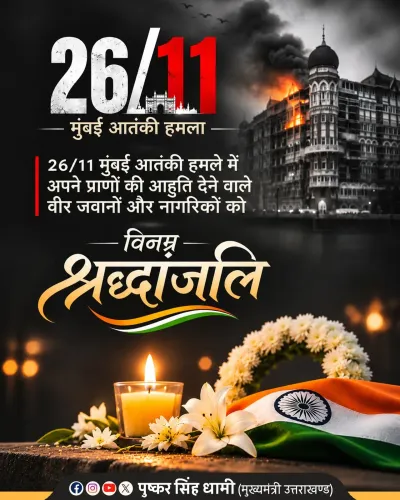
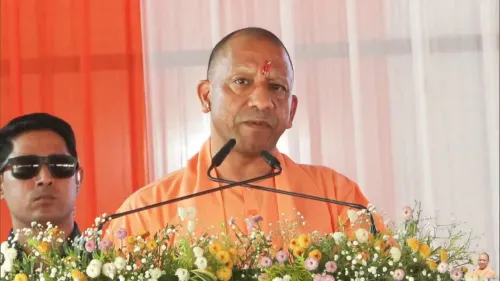
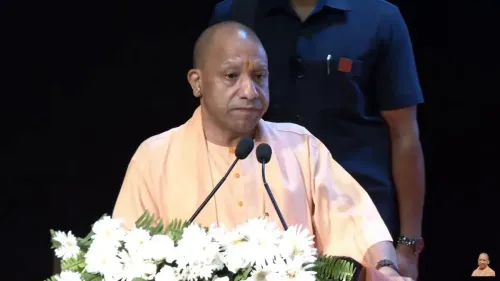
Uttar Pradesh Chief Minister Yogi Adityanath on Thursday, 26 November 2026, called terrorism “humanity's greatest enemy” as he paid tribute to the victims of the 26/11 Mumbai terror attacks on their 18th anniversary. Chief Ministers of several other states, including Maharashtra, Rajasthan and Madhya Pradesh, also honoured the civilians and security personnel who died. Their messages stressed national unity and a firm resolve against terrorism.
Yogi Adityanath's Zero-Tolerance Message
Adityanath said a united India remains committed to eliminating terrorism through a zero-tolerance policy. He framed the anniversary as a reminder of that resolve.
“Terrorism is humanity's greatest enemy. Humble tributes to all the innocent civilians and brave security personnel who lost their lives in the cowardly terrorist attack in Mumbai on 26/11. 'New India' is committed to eradicating terrorism with complete unity, strong resolve and a policy of zero tolerance towards it,” he said.
Tributes From Fadnavis, Bhajanlal Sharma and Mohan Yadav
Maharashtra Chief Minister Devendra Fadnavis leads the state where the attacks took place. He paid homage to the victims and to the security personnel who fought the terrorists.
“Humble tributes to the brave heroes who laid down their lives defending Mumbai against the 26/11 terror attacks, and to the innocent civilians who lost their lives,” Fadnavis said.
Rajasthan Chief Minister Bhajanlal Sharma remembered the civilians who were killed. He also expressed deep respect for the security personnel who made the supreme sacrifice.
“Heartfelt tributes to the innocent civilians who lost their lives in the 26/11 terrorist attacks in Mumbai, and deepest respect to the brave soldiers who made the ultimate sacrifice, displaying indomitable courage and valour in defending the nation,” he said.
Sharma added that the courage, sacrifice and devotion of the security personnel would remain alive in people's hearts. He said the country would always remain indebted to them.
Madhya Pradesh Chief Minister Mohan Yadav said the anniversary was a reminder to stay alert and united against terrorism.
“Countless tributes to the brave soldiers and civilians who lost their lives defending the nation and humanity in the 26/11 Mumbai attacks. This day also reminds us of our resolve that we must all remain vigilant and united against terrorism at every moment to preserve the nation's identity and integrity. Our unity is the foremost foundation of our country's security,” he said.
What Happened on 26/11
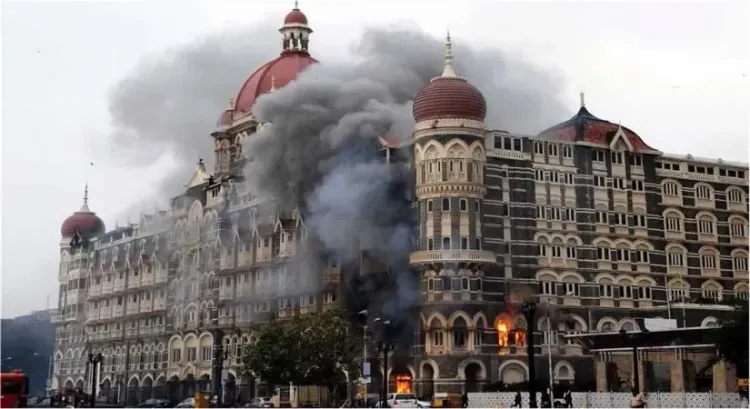
The attacks were carried out by 10 terrorists linked to the Pakistan-based Lashkar-e-Taiba. They began on the night of 26 November 2008 and continued until 29 November. Mumbai faced a series of coordinated strikes on prominent public places, hotels and other establishments.
Targets included Chhatrapati Shivaji Terminus railway station, Leopold Cafe, two hospitals, Nariman House, and the Taj Mahal Palace and Oberoi-Trident hotels.
The four-day siege killed 166 people and injured around 300. Security forces killed nine of the 10 attackers. The tenth, Ajmal Amir Kasab, was captured alive, sentenced to death in 2010 and executed in 2012.
A Defining Chapter in India's Security History
Notably, the messages from leaders across states shared one theme beyond remembrance: unity and vigilance as the foundation of national security. The repeated tributes to security personnel also reflect lasting public recognition of the forces who ended the siege.
Eighteen years on, 26/11 remains one of the darkest chapters in India's history. Each anniversary is expected to keep renewing the debate on counter-terror preparedness and urban security.
Point of View
And this year's messages from four Chief Ministers share a common framing of unity, vigilance and zero tolerance. The rhetoric is consistent, but the real measure of 26/11's legacy lies elsewhere. It lies in coastal security, intelligence coordination and urban rapid-response capacity, which anniversary messages rarely address. Eighteen years on, honouring the 166 dead should also mean publicly accounting for how far those systemic gaps have actually closed.
NationPress
26 Nov 2026
Frequently Asked Questions
What did Yogi Adityanath say on the 26/11 anniversary?
Yogi Adityanath called terrorism humanity's greatest enemy and paid tribute to the civilians and security personnel killed in the 2008 Mumbai attacks. He said 'New India' is committed to eradicating terrorism with unity, strong resolve and zero tolerance.
Which Chief Ministers paid tributes on the 26/11 anniversary in 2026?
Uttar Pradesh CM Yogi Adityanath, Maharashtra CM Devendra Fadnavis, Rajasthan CM Bhajanlal Sharma and Madhya Pradesh CM Mohan Yadav were among the Chief Ministers who paid tributes. All four honoured both the civilians and the security personnel who died.
How many people died in the 26/11 Mumbai attacks?
The 26/11 attacks killed 166 people and injured around 300 others. The siege lasted four days, from 26 to 29 November 2008.
Who carried out the 26/11 Mumbai terror attacks?
The attacks were carried out by 10 terrorists linked to the Pakistan-based Lashkar-e-Taiba. Nine were killed by security forces, and Ajmal Amir Kasab was captured alive, sentenced to death in 2010 and executed in 2012.
Which places were targeted in the 26/11 attacks?
The targets included Chhatrapati Shivaji Terminus railway station, Leopold Cafe, two hospitals, Nariman House, and the Taj Mahal Palace and Oberoi-Trident hotels in Mumbai.