Tharoor Meets 150-175 Constituents Daily for Three Days in Thiruvananthapuram
Synopsis
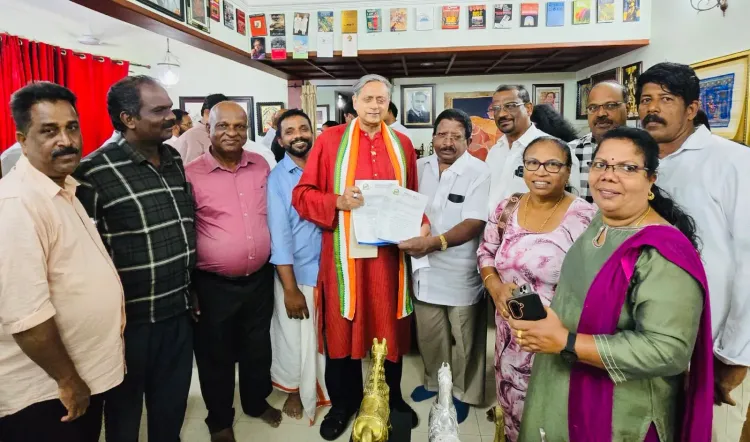
Congress MP Dr. Shashi Tharoor held three consecutive days of open, appointment-free constituency meetings at his Thiruvananthapuram home office, receiving 150-175 constituents each day with petitions and requests — spotlighting the often-overlooked grassroots side of an MP's role.
Key Takeaways
Shashi Tharoor held open constituency meetings for three consecutive days in Thiruvananthapuram .
Between 150 and 175 constituents were received each day, all without prior appointment.
Residents brought petitions, personal requests, and issues for direct discussion with their MP.
Tharoor described the sessions as 'often the most vital part of an MP's work,' despite the disruption to his schedule.
The practice reflects a long-standing constitutional expectation that Indian MPs balance legislative duties with direct constituency representation, a tradition dating to the First Lok Sabha (1952) .
Kerala has a strong cultural tradition of direct public access to elected representatives.
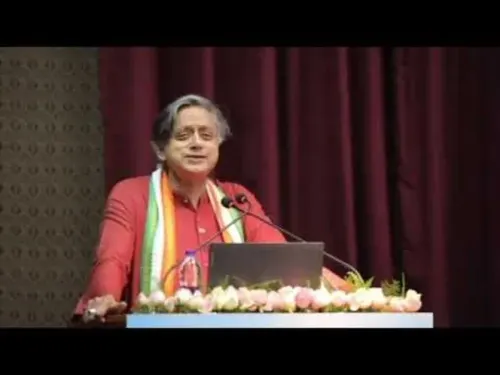
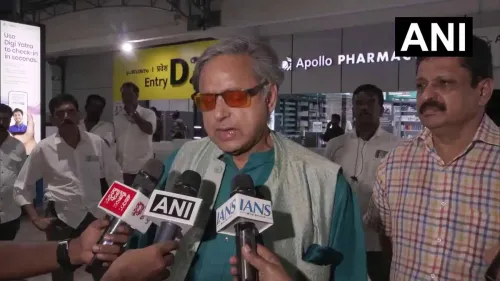
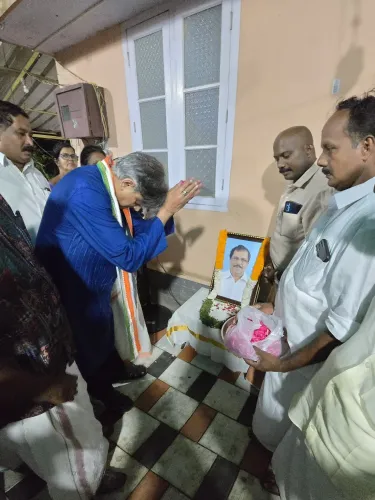
Congress MP Dr. Shashi Tharoor held open constituency meetings at his home office in Thiruvananthapuram for three consecutive days, receiving between 150 and 175 constituents each day without prior appointment, he said on Sunday, 19 July 2026.
Context
Tharoor described the sessions as walk-in meetings where constituents arrived with petitions, personal requests, and issues they wished to discuss directly with their elected representative. Writing on X, he acknowledged the sessions 'played havoc' with the rest of his schedule but called this kind of direct access 'often the most vital part of an MP's work.'
The meetings were held at his home office in Thiruvananthapuram, the Lok Sabha constituency he has represented since 2009. No prior appointment was required, making the sessions accessible to a broad cross-section of residents.
Policy Backdrop
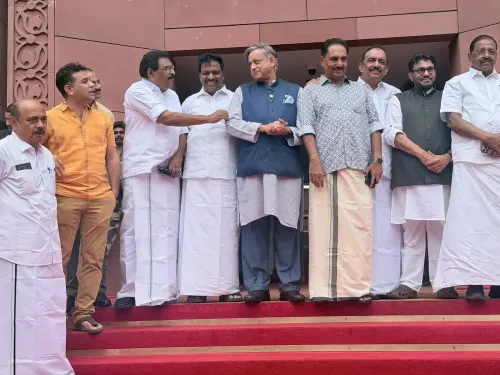
The Indian Constitution and Lok Sabha rules have, since the First Lok Sabha in 1952, required elected members to balance legislative responsibilities with direct constituency representation. This dual mandate — lawmaker in Parliament, ombudsman in the constituency — has remained a defining feature of Indian parliamentary democracy across seven decades.
Across parties and states, MPs hold open meetings, sometimes called janata darbars (people's courts), to receive petitions and hear grievances. In Kerala, direct access to elected representatives carries particular cultural weight, and constituents routinely approach MPs and MLAs with individual concerns ranging from welfare entitlements to local infrastructure complaints.
Stakeholders and Impact
For the hundreds of Thiruvananthapuram residents who attended over the three days, the sessions offered a direct channel to their MP outside the formal bureaucratic process. Petitions received at such meetings are typically forwarded to relevant government departments or raised in parliamentary correspondence.
The broader implication touches all 543 Lok Sabha constituencies: how MPs allocate time between New Delhi's legislative calendar and home-district outreach remains a persistent tension in Indian parliamentary practice. Tharoor's public account of the schedule disruption draws attention to that structural pull.
What's Next
The 18th Lok Sabha's monsoon and winter sessions will again pull MPs back to New Delhi, resuming the familiar competition between parliamentary duties and constituency work. Whether the Speaker's office or Parliament's procedural committees move to formalise or support grievance-redressal mechanisms at the constituency level remains a question that advocacy groups and MPs have raised across successive Lok Sabhas. Tharoor's posts on the subject periodically reignite that conversation among legislators and political observers alike.
Point of View
High-volume constituency meetings is more than a personal diary entry — it is an implicit argument about what representative democracy demands at the ground level. At a time when Indian MPs face criticism for low attendance and limited constituency visibility, the post positions direct access as a democratic priority, not a courtesy. It also surfaces a structural tension that the Lok Sabha has never fully resolved: the parliamentary calendar and constituency obligations are in constant competition, and neither the rules nor the budget adequately resource the latter. Tharoor's framing — that this work 'played havoc' with his schedule but remains 'vital' — invites a policy conversation about formalising and resourcing MP-level grievance redressal.
NationPress
18 Oct 2026
Frequently Asked Questions
What did Shashi Tharoor do in Thiruvananthapuram for three days?
Dr. Shashi Tharoor held open, appointment-free constituency meetings at his home office in Thiruvananthapuram for three consecutive days, receiving between 150 and 175 constituents each day with petitions and personal requests.
How many people did Tharoor meet during his constituency sessions?
Tharoor received between 150 and 175 constituents per day over three days, all without prior appointment, at his home office in Thiruvananthapuram.
Why do Indian MPs hold open constituency meetings?
Indian MPs are constitutionally expected to represent their constituents both in Parliament and at the local level. Open meetings or janata darbars allow residents to raise grievances, submit petitions, and seek help with government services directly with their elected representative.
How long has Shashi Tharoor been MP from Thiruvananthapuram?
Dr. Shashi Tharoor has represented the Thiruvananthapuram Lok Sabha constituency since 2009, when he was first elected on a Congress ticket.
What happens to petitions submitted to an MP at constituency meetings?
Petitions received at such meetings are typically forwarded by the MP to relevant government departments, raised through parliamentary correspondence, or flagged during parliamentary sessions, depending on the nature of the grievance.