Tharoor, Ram Madhav in cross-party dialogue at New York event
Synopsis
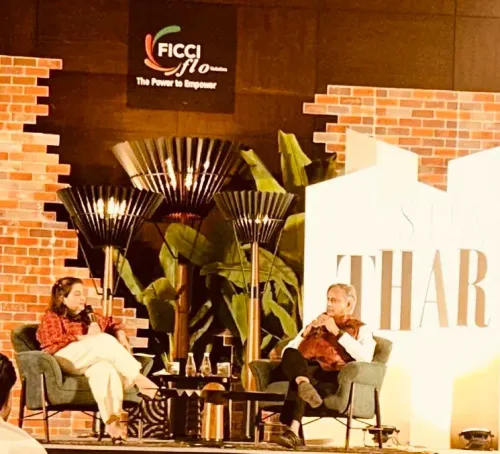
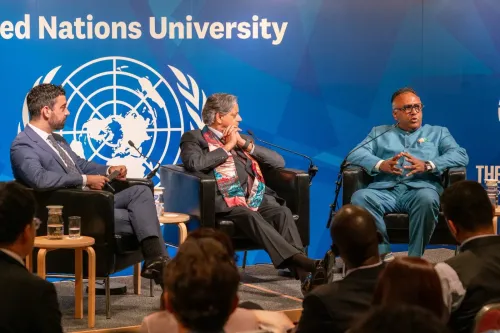
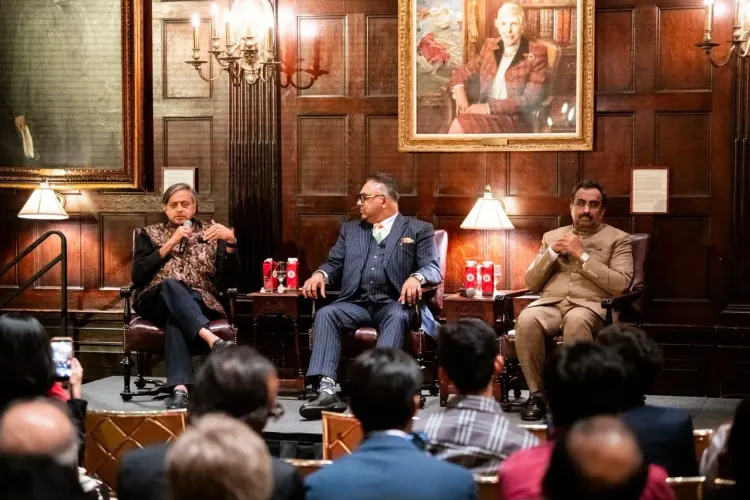
Congress MP Dr. Shashi Tharoor and BJP leader Ram Madhav joined a fireside conversation in New York on July 14, 2026, moderated by O.P. Jindal Global University Vice Chancellor C. Raj Kumar. The cross-party exchange explored differing interpretations of India's journey before a diaspora audience.
Key Takeaways
Shashi Tharoor and BJP leader Ram Madhav shared a platform at a fireside conversation in New York on July 14, 2026 .
The discussion was moderated by C.
Raj Kumar , Vice Chancellor of O.P.
Jindal Global University , a private institution based in Sonipat, Haryana , established in 2009 .
Tharoor described it as 'a lively discussion on the many interpretations of India's journey.' The event is part of a broader pattern of Indian politicians from rival parties engaging in structured debate at overseas diaspora and academic forums.
Ram Madhav is a former RSS pracharak and former national general secretary of the BJP , known for writings on Indian foreign policy.
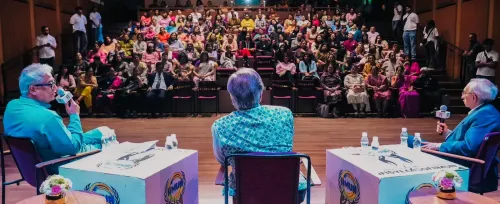
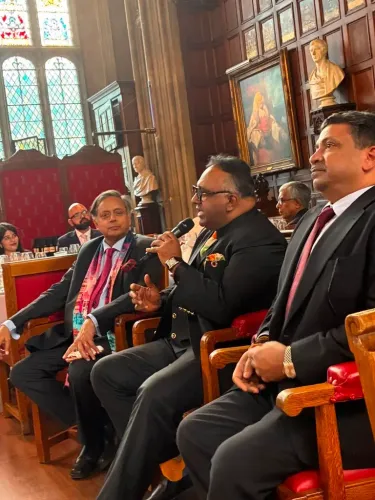
Congress MP Dr. Shashi Tharoor participated in a fireside conversation with BJP leader Dr. Ram Madhav at an evening event in New York on Tuesday, July 14, 2026, with the discussion moderated by O.P. Jindal Global University Vice Chancellor C. Raj Kumar.
Context
Tharoor described the exchange as 'a lively discussion on the many interpretations of India's journey,' adding that it served as 'a reminder that meaningful dialogue is' — the post trails off, suggesting a longer reflection shared via an attached image. The event brought together two prominent voices from opposing ends of India's political spectrum before what appears to be a diaspora-facing audience in New York.
Ram Madhav is a senior BJP leader, former national general secretary of the party, and a former RSS pracharak who has written extensively on Indian politics and foreign policy. His participation alongside a Congress MP underscored the cross-party character of the evening.
Policy Backdrop
Indian politicians from rival parties have periodically shared platforms at overseas events to debate competing visions of national development and identity. Such exchanges have become a recognisable feature of diaspora engagement, particularly in the United States, where Indian-American communities and university programmes provide a ready audience for structured political discourse.
O.P. Jindal Global University, a private multidisciplinary institution established in 2009 and based in Sonipat, Haryana, has built a profile around international collaborations and public policy programmes. Vice Chancellor C. Raj Kumar, an international law scholar, has been central to those efforts, and his role as moderator lent the conversation an academic framing.
Stakeholders and Impact
The primary audience for such events is the Indian diaspora in the United States, which numbers among the largest and most politically engaged overseas Indian communities. Academics, policy professionals, and students following India's democratic trajectory also form a key constituency for this kind of structured cross-party exchange.
For Tharoor, who has long positioned himself as a commentator on India's civilisational identity and its place in the world — themes he has explored across several books — the conversation fits a pattern of intellectual engagement that extends well beyond Parliament. For Ram Madhav, participation in such dialogue reinforces a public image as a thinker willing to engage with ideological opponents in open forums.
What's Next
Observers will watch for any follow-up publications, joint statements, or detailed readouts from participants that elaborate on the specific themes debated. Similar cross-party dialogues at other US universities or during future high-level bilateral visits remain a possibility, particularly as Indian political figures increasingly use international platforms to address questions of national identity and democratic pluralism to global audiences.
Point of View
Even as both leaders champion sharply different visions of the nation at home. The involvement of O.P. Jindal Global University, which has cultivated a reputation as a convener of high-profile policy conversations, adds institutional weight to what might otherwise read as a routine diaspora event. Whether this exchange seeds any durable cross-party intellectual engagement, or remains a one-off diplomatic courtesy, will depend on what the participants choose to publish or say next.
NationPress
13 Oct 2026
Frequently Asked Questions
Why were Shashi Tharoor and Ram Madhav at the same event in New York?
They participated in a fireside conversation at a New York evening event on July 14, 2026, as part of a cross-party dialogue on India's journey, moderated by O.P. Jindal Global University Vice Chancellor C. Raj Kumar.
Who is C. Raj Kumar and why did he moderate the discussion?
C. Raj Kumar is the Vice Chancellor of O.P. Jindal Global University in Sonipat, Haryana, an international law scholar who has built the university's profile in global policy conversations, making him a natural choice to moderate a high-profile cross-party dialogue.
What is O.P. Jindal Global University?
O.P. Jindal Global University is a private multidisciplinary institution established in 2009 in Sonipat, Haryana, known for its international collaborations and public policy programmes.
Is it common for BJP and Congress leaders to share platforms abroad?
Yes, Indian politicians from opposing parties have periodically shared overseas platforms, particularly in the United States, to debate competing visions of national development and identity before diaspora and academic audiences.
What did Shashi Tharoor say about the New York event?
Tharoor described it as 'a lively discussion on the many interpretations of India's journey' and noted it was 'a reminder that meaningful dialogue is' — with the full thought continued in an image attached to his post.