Tharoor Visits Indian Embassy Tokyo, Meets Japanese University Chiefs
Synopsis
Congress MP Dr. Shashi Tharoor visited the Indian Embassy in Tokyo on 1 July 2026, meeting top Japanese university presidents alongside a Jindal Global University delegation. The visit coincided with the Japanese PM's trip to Delhi, underscoring the dual-track nature of India-Japan bilateral engagement spanning diplomacy and academic cooperation.
Key Takeaways
Shashi Tharoor visited the Indian Embassy in Tokyo on 1 July 2026 .
He was received by Charge d'Affaires R.
Madhusudan , as Ambassador Nagma Mallick was in Delhi for the Japanese PM's visit.
A delegation from Jindal Global University accompanied Tharoor at the embassy.
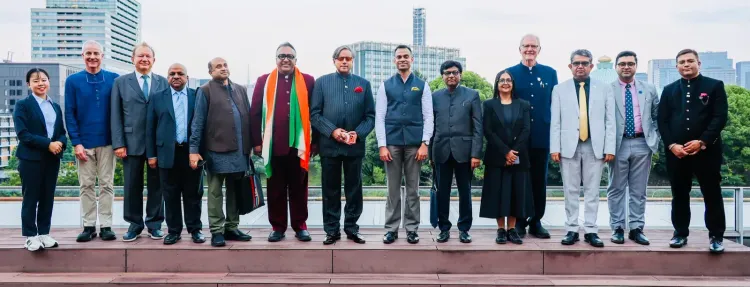
The group gathered on the embassy's terrace overlooking the Imperial Gardens before a reception with top Japanese university presidents .
The visit runs parallel to high-level India-Japan diplomatic engagement, with the Japanese PM visiting New Delhi simultaneously.
India-Japan annual summits since 2006 have included education and people-to-people pillars alongside defence and economic cooperation.
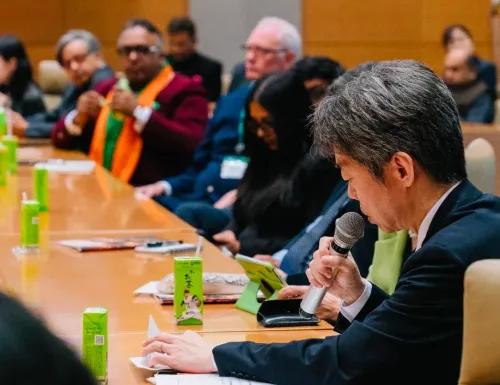
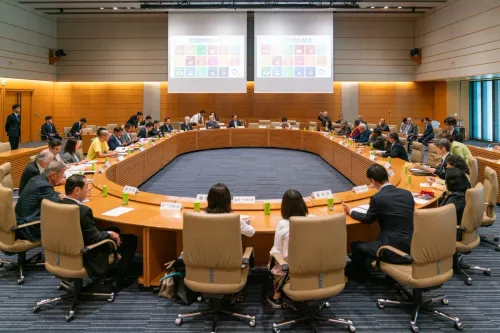
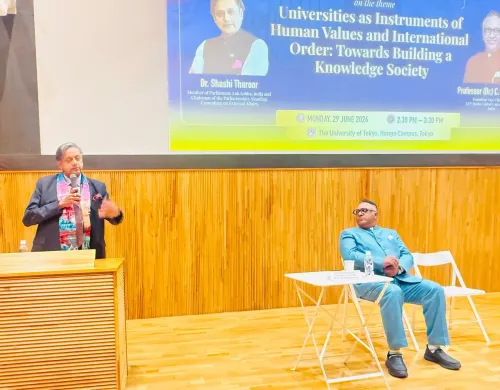
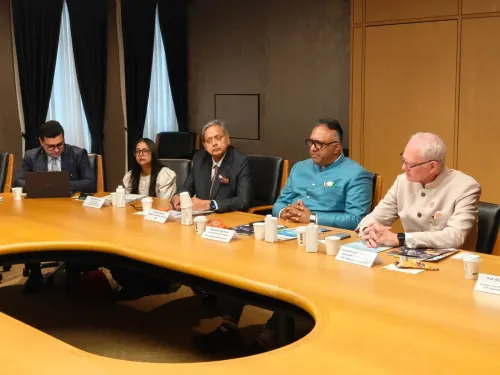
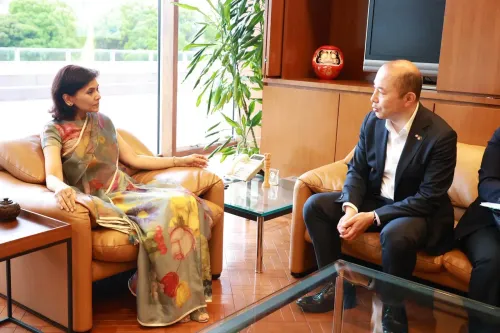
Congress MP Dr. Shashi Tharoor visited the Indian Embassy in Tokyo on Wednesday, 1 July 2026, where he was received by Charge d'Affaires R. Madhusudan in the absence of Ambassador Nagma Mallick, who was in Delhi for the visiting Japanese Prime Minister's engagements. Tharoor, accompanied by a delegation from Jindal Global University, attended a high-level reception with top Japanese university presidents at the embassy.
Context
Tharoor shared that the Jindal Global University team and he 'assembled on the Embassy's famous terrace, facing the Imperial Gardens, for a group pic before a marvellous reception with top Japanese University Presidents.' The embassy's terrace, overlooking the Imperial Gardens, served as the backdrop for the gathering. Ambassador Nagma Mallick was away in Delhi, with Charge d'Affaires R. Madhusudan hosting in her place.
The visit coincided with a significant diplomatic moment: the Japanese Prime Minister's ongoing visit to New Delhi, which drew the Indian Ambassador back to the capital for high-level consultations. Such parallel tracks — parliamentary and academic engagement running alongside head-of-government visits — are a hallmark of the deepening India-Japan strategic partnership.
Policy Backdrop
India and Japan have held annual summit-level meetings since 2006, with successive joint statements consistently including education and people-to-people pillars alongside defence and economic cooperation. Higher-education linkages have grown as a distinct strand of the bilateral relationship, with university partnerships and student-exchange frameworks gaining momentum in recent years.
Jindal Global University, a prominent Indian private university, has been active in building international academic alliances. Its delegation's presence at the embassy reception signals institutional intent to formalise or deepen ties with Japanese counterparts at a moment of heightened bilateral attention.
Stakeholders and Impact
The reception brought together the leadership of top Japanese universities and an Indian parliamentary figure with a long record in multilateral diplomacy, alongside a university delegation — a combination that typically precedes memoranda of understanding or structured exchange programmes. For Indian students and academics, such engagements can translate into new pathways for study and research collaboration in Japan.
Parliamentary delegations using embassy platforms in Tokyo to facilitate academic diplomacy complement the government-to-government track and often move faster in producing institutional outcomes. The embassy's role as convener underlines how Indian diplomatic missions are increasingly leveraged for soft-power and knowledge-economy goals beyond traditional consular functions.
What's Next
Observers will watch for any education-focused memoranda of understanding or student-exchange announcements that may emerge either from the Japanese Prime Minister's Delhi visit or from follow-up forums between Indian and Japanese university administrations. Tharoor's engagement, combining a sitting MP's political profile with an internationally recognised academic network, could lend momentum to any such announcements. The convergence of a high-level diplomatic visit and active academic outreach in Tokyo suggests the India-Japan education corridor may see concrete new agreements in the near term.
Point of View
The engagement amplifies India's multi-channel approach to the bilateral relationship. Jindal Global University's participation signals that Indian private higher education is increasingly a purposeful actor in academic diplomacy, not merely a beneficiary of government-negotiated frameworks. If MOUs or exchange agreements follow, this visit will be seen as a well-timed catalyst that leveraged diplomatic momentum for tangible institutional outcomes.
NationPress
1 Jul 2026
Frequently Asked Questions
Why did Shashi Tharoor visit the Indian Embassy in Tokyo?
Tharoor visited the Indian Embassy in Tokyo on 1 July 2026 to attend a reception with top Japanese university presidents, accompanied by a Jindal Global University delegation, as part of academic diplomacy efforts under the India-Japan bilateral partnership.
Who is Nagma Mallick and why was she absent from the Tokyo embassy?
Nagma Mallick is India's Ambassador to Japan. She was in Delhi during Tharoor's visit to participate in engagements related to the Japanese Prime Minister's visit to India.
What is Jindal Global University's role in India-Japan relations?
Jindal Global University sent a delegation to join Tharoor at the Indian Embassy in Tokyo for a meeting with Japanese university presidents, reflecting the university's active pursuit of international academic partnerships.
What is the significance of the Indian Embassy terrace in Tokyo?
The Indian Embassy in Tokyo has a well-known terrace that faces the Imperial Gardens. It served as the gathering point for Tharoor and the Jindal Global University team before their reception with Japanese university leaders.
How does India's academic engagement with Japan fit into the broader bilateral relationship?
India and Japan have held annual summits since 2006, with education and people-to-people ties forming a consistent pillar alongside defence and economic cooperation. Parliamentary and university-level delegations frequently use embassy platforms in Tokyo to build institutional links.