Tharoor Backs Parliamentary Diplomacy After Japan Diet Visit
Synopsis
Congress MP Dr. Shashi Tharoor reflected on a visit to Japan's National Diet on July 1, 2026, arguing that the strong turnout of Japanese lawmakers — even during an active session — reinforced the case for deeper parliamentary diplomacy between India and Japan, especially in the aftermath of #OperationSindoor.
Key Takeaways
Shashi Tharoor visited the National Diet of Japan as part of a delegation and noted an impressive turnout of Diet members despite the chamber being in active session.
Tharoor explicitly linked the need for more parliamentary diplomacy to the strategic context following #OperationSindoor .
India and Japan have maintained legislative exchange frameworks since their 2006 Strategic and Global Partnership , upgraded to a Special Strategic and Global Partnership in 2014 .
The visit combined parliamentary and academic diplomacy, with Tharoor accompanying what he described as 'essentially a University delegation.' Observers will watch for reciprocal visits by Japanese Diet members to India and any formalisation of parliamentary exchange schedules ahead of the next bilateral summit.
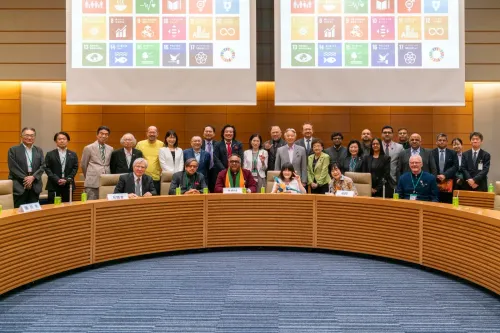
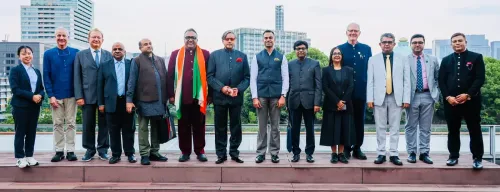
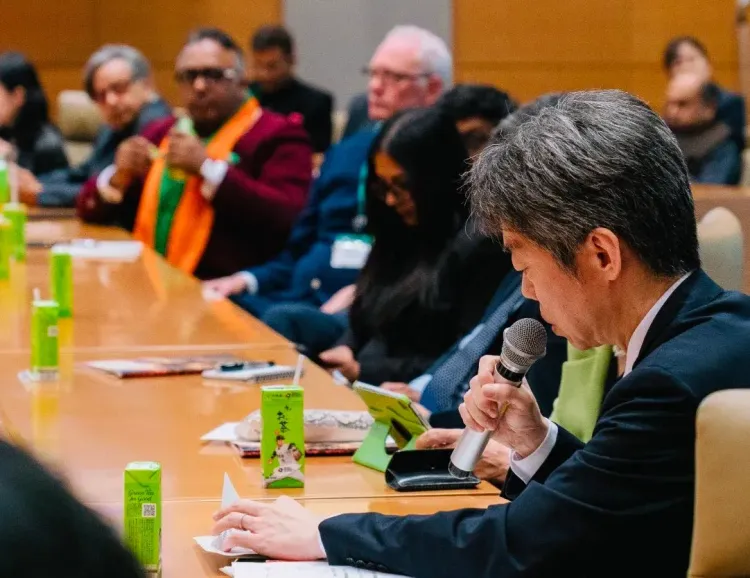
Congress MP Dr. Shashi Tharoor on Wednesday, July 1, 2026, highlighted the case for deeper parliamentary diplomacy between India and Japan, reflecting on a visit to the National Diet of Japan that drew a notably strong turnout of Japanese lawmakers even as the legislature was in active session.
Context
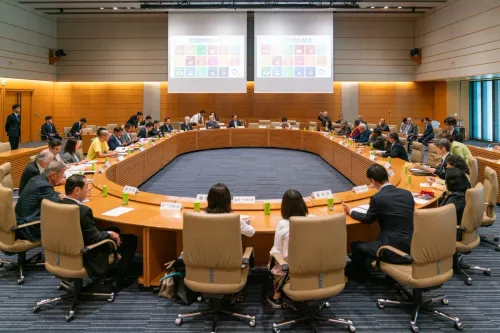
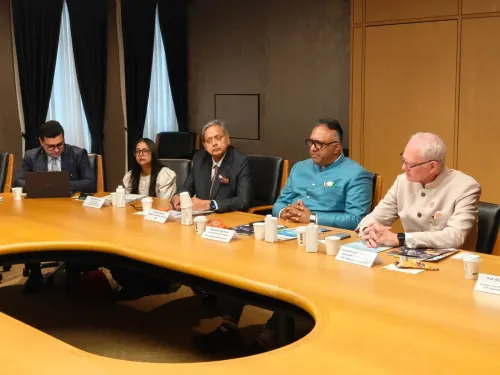
Tharoor noted that the visit — led by what he described as 'essentially a University delegation, despite my presence' — drew an impressive number of Diet members to the committee room, even as the voting bell rang shortly after their meeting concluded. The enthusiasm of Japanese lawmakers to engage with the Indian group, despite the demands of an active parliamentary session, struck Tharoor as significant.
In his post, Tharoor wrote that the experience 'reinforced' for him 'the case for more Parliamentary diplomacy in our bilateral relations, made evident in the aftermath of #OperationSindoor.' The reference signals that the visit carried weight beyond a routine academic exchange, situating legislative engagement within a broader strategic moment in India-Japan ties.
Policy Backdrop
India and Japan have maintained a framework for parliamentary exchanges since their 2006 Strategic and Global Partnership was established, with annual summits routinely including commitments to strengthen legislative-level dialogue. Japan was elevated to India's Special Strategic and Global Partner in 2014, deepening cooperation across defence, technology and economic domains.
Parliamentary diplomacy has grown as a complement to executive-level summitry, allowing cross-party networks to be built and sustained between sessions of formal bilateral engagement. Legislative visits of this kind help insulate the broader relationship from fluctuations in government-to-government dynamics, providing continuity and people-to-people depth.
Stakeholders and Impact
The immediate stakeholders are Indian MPs and Japanese Diet members who participated in or were present for the exchange. For the Indian side, the visit offered direct exposure to Japan's legislative culture and an opportunity to build personal relationships with counterparts across party lines in Tokyo.
Tharoor, a former UN Under-Secretary-General and former Union Minister, brings considerable international credibility to such delegations. His presence alongside a university group underscores how parliamentary and academic diplomacy can reinforce each other, broadening the constituencies invested in a healthy bilateral relationship.
What's Next
Tharoor's post implicitly calls for institutionalising such exchanges more formally, particularly in the current strategic environment. Observers will watch for follow-up reports from the Indian delegation and any movement on scheduling reciprocal visits by Japanese Diet members to New Delhi ahead of the next India-Japan summit.
If the momentum from this visit translates into a structured parliamentary exchange calendar, it could set a precedent for how India conducts legislative diplomacy with other key partners — using informal visits to lay groundwork that executive channels alone cannot reach.
Point of View
Not merely a ceremonial add-on to executive summitry. By invoking #OperationSindoor, he anchors the call in a live strategic context, lending urgency to what might otherwise seem like a routine legislative visit. The framing reflects a broader pattern in Indian foreign policy circles of seeking to build resilient, cross-party bilateral networks that can outlast any single government. For the opposition Congress, championing such engagement also signals foreign-policy seriousness at a moment when the party is rebuilding its national profile.
NationPress
29 Sept 2026
Frequently Asked Questions
Why did Shashi Tharoor visit Japan's National Diet?
Tharoor visited the National Diet of Japan as part of a delegation that he described as primarily a university group. The visit was aimed at strengthening people-to-people and legislative ties between India and Japan .
What is parliamentary diplomacy and why does Tharoor support it?
Parliamentary diplomacy refers to direct engagement between legislators of different countries, outside formal government-to-government channels. Tharoor argues it builds cross-party networks and sustains bilateral momentum between executive-level summits.
What is the India-Japan Special Strategic and Global Partnership?
India and Japan elevated their relationship to a Special Strategic and Global Partnership in 2014 , building on a framework established in 2006 . It covers defence, technology, infrastructure and economic cooperation, with annual summits and legislative exchanges.
How does Operation Sindoor relate to India-Japan relations?
Tharoor referenced #OperationSindoor to suggest that recent strategic developments have made robust parliamentary diplomacy with partners like Japan even more important. Specific details of the operation have not been independently verified.
What could follow from Tharoor's Japan visit?
Observers are watching for follow-up reports from the Indian delegation and potential scheduling of reciprocal visits by Japanese Diet members to New Delhi , which could precede the next formal India-Japan summit .