Tharoor Wraps Multi-Day Parliamentary Committee Field Visit
Synopsis
Congress MP Dr. Shashi Tharoor wrapped up a four-day, five-night Parliamentary Standing Committee field visit on June 27, 2026, noting side meetings with local representatives on issues beyond the committee's formal scope — inputs that could shape upcoming parliamentary interventions.
Key Takeaways
Shashi Tharoor , Congress MP from Thiruvananthapuram , concluded a four-day, five-night Parliamentary Standing Committee field visit on June 27, 2026 .
Alongside formal committee proceedings, Tharoor held meetings with peoples' representatives who raised issues outside the committee's immediate mandate.
He engaged with these concerns in his capacity as a Parliamentarian, signalling potential follow-up through questions or ministerial correspondence.
Parliamentary Standing Committees , institutionalised in 1993 , routinely conduct such multi-day field visits to gather ground-level evidence for their reports.
Committee findings are expected to be tabled as a formal report in the upcoming Monsoon or Winter Session of Parliament.
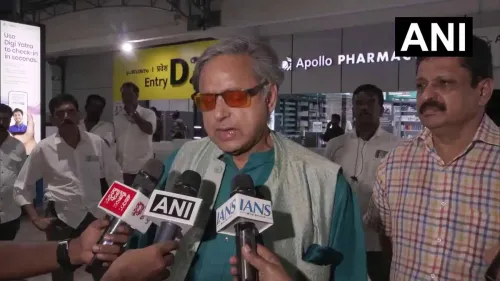
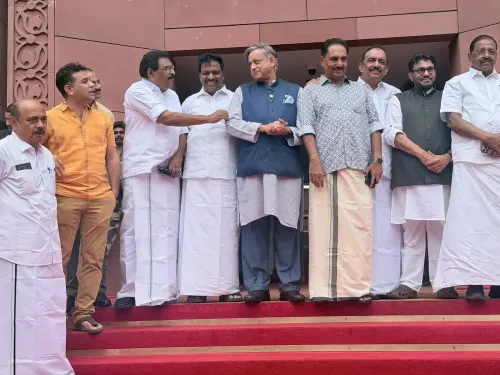
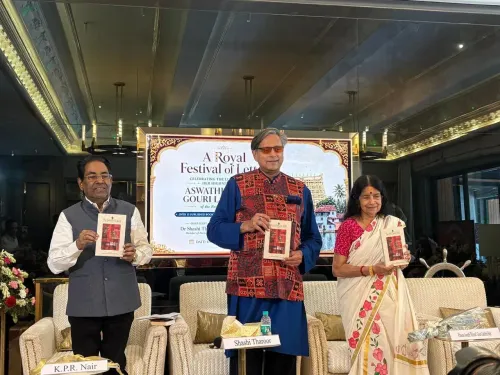
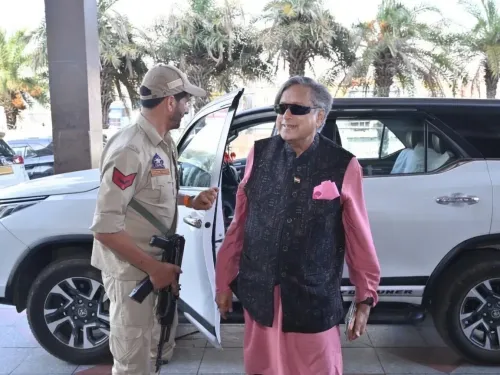
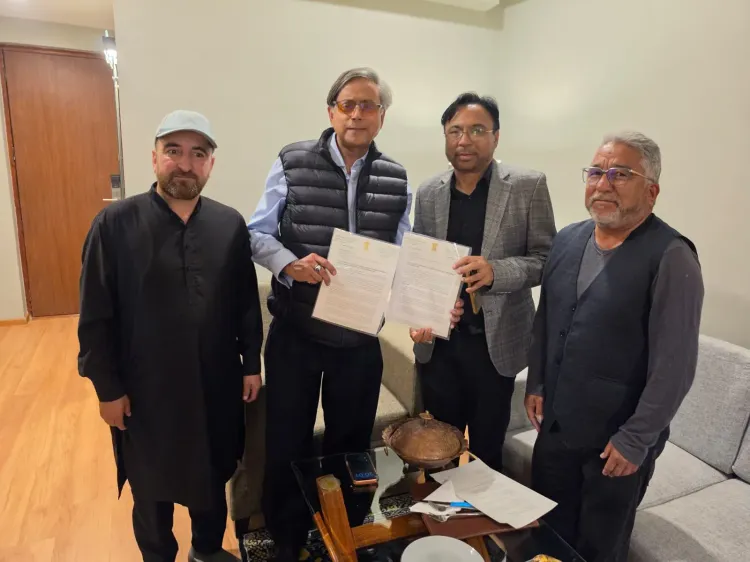
Congress MP Dr. Shashi Tharoor on Saturday, June 27, 2026, shared reflections on concluding a multi-day Parliamentary Standing Committee field visit, noting that the tour spanned four jam-packed days and five nights and included meetings with peoples' representatives who raised a wide range of issues.
Context
Tharoor noted that in between the committee's formal schedule, he held meetings with elected local representatives who brought issues to his attention that went 'beyond the remit' of his committee but were of interest to him 'as a Parliamentarian.' The remark underscores the dual role Indian MPs play — as committee members scrutinising specific policy domains and as legislators responsive to a broader set of constituent concerns.
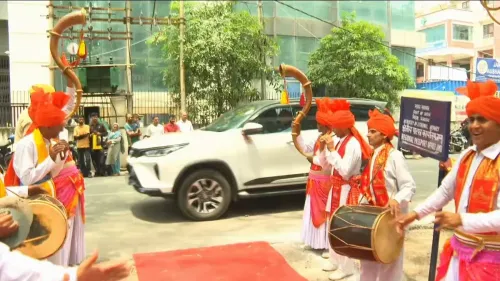
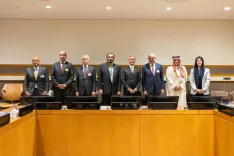
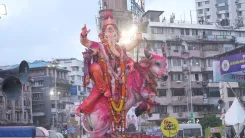
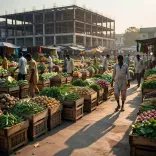
The post, which was accompanied by four images, appeared to be the concluding instalment of a thread documenting the visit, with the full committee name and destination referenced in a linked continuation of the tweet.
Policy Backdrop
Parliamentary Standing Committees were institutionalised in 1993 to enable detailed legislative and executive scrutiny outside the full House. They allow MPs from across party lines to examine bills, demand explanations from ministries, and conduct field visits to gather ground-level evidence.
Multi-day tours of this kind are a standard feature of committee work. They allow members to receive representations from local bodies, civil society groups, and citizens — inputs that can later inform committee reports tabled before Parliament. Such reports are typically taken up during the Monsoon or Winter Session that follows the visit.
Stakeholders and Impact
For local elected representatives — from panchayats to urban local bodies — committee field visits represent a direct channel to the national legislature outside the formal petition process. Tharoor's acknowledgement that he engaged with issues 'beyond the remit' of his committee signals that such interactions carry weight even when they fall outside the panel's immediate mandate.
Constituents and civil society groups who secured time with the delegation stand to benefit if their concerns are flagged in subsequent parliamentary questions or correspondence with the relevant ministries. Dr. Tharoor, a former UN Under-Secretary-General and former Union Minister, brings considerable institutional experience to interpreting and escalating such representations.
What's Next
The committee's findings from the visit are expected to feed into a formal report, likely to be tabled during the next session of Parliament. Members may also raise follow-up questions on the floor of the House or through written queries to ministries on issues flagged during the tour.
Tharoor's posts from the visit suggest an active engagement with ground realities that could translate into parliamentary interventions in the weeks ahead, keeping the spotlight on the concerns raised by local representatives during the multi-day tour.
Point of View
Field visits double as political outreach, allowing him to gather grievances that can be weaponised as parliamentary questions or used to build a legislative record. The broader pattern of Standing Committee field tours gaining visibility on social media also signals a gradual shift in how Indian legislators communicate institutional work to a public more accustomed to campaign rhetoric than committee procedure. Whether the representations gathered translate into concrete parliamentary action will be the real measure of this visit's impact.
NationPress
26 Sept 2026
Frequently Asked Questions
What is a Parliamentary Standing Committee in India?
A Parliamentary Standing Committee is a permanent panel of MPs that scrutinises legislation, government spending, and executive functioning in a specific policy domain. These committees were institutionalised in India in 1993 and regularly conduct field visits to gather evidence beyond formal hearings.
Why did Shashi Tharoor meet peoples' representatives during the committee visit?
Tharoor met elected local representatives who raised issues beyond his committee's formal mandate. He engaged with them in his broader capacity as a Parliamentarian, suggesting he may raise these concerns through parliamentary questions or ministerial correspondence.
What happens after a Parliamentary Standing Committee field visit?
After a field visit, the committee compiles its findings into a formal report that is tabled before Parliament, typically during the next Monsoon or Winter Session. Members may also raise follow-up questions on the floor of the House.
Which constituency does Shashi Tharoor represent in Parliament?
Dr. Shashi Tharoor is the Congress MP from Thiruvananthapuram in Kerala. He is also a former Union Minister and former UN Under-Secretary-General.
How long was Shashi Tharoor's committee field visit in June 2026?
According to his post on June 27, 2026, the Parliamentary Standing Committee field visit lasted four days and five nights.