Is India Redefining Governance from Thrones to Temples of Service?
Click to start listening
Synopsis
Discover how India is undergoing a significant shift in governance, redefining power from symbols of authority to a commitment to service. This transformation reflects a deeper cultural change, positioning citizens at the center of power.
Key Takeaways
- Renaming of Raj Bhavans to Lok Bhavan signifies prioritizing the people.
- Kartavya Path emphasizes duty over privilege.
- Government buildings are being transformed into symbols of service.
- Old symbols of power are replaced with a focus on accountability.
- The shift embodies a broader cultural change towards democratic values.
New Delhi, Dec 1 (NationPress) In a country where authority was once gauged by the grandeur of its titles, a subtle yet profound transformation is taking place.
The colonial-era Raj Bhavans, once the opulent residences of Governors, are being renamed to reflect a new ethos – “Lok Bhavan,” or the People’s House.
This change, seemingly a minor linguistic adjustment, is actually the latest chapter in a narrative Prime Minister Narendra Modi has been crafting for over a decade about the essence of public service.
The once-majestic Rajpath, which translated to the Path of Rule, was reborn in 2022 as Kartavya Path – the Path of Duty. This six-kilometre stretch now serves as a daily reminder to millions that authority is a responsibility, not a privilege.
In 2016, Prime Minister Modi vacated the prestigious 7, Race Course Road, a symbol of exclusivity, and relocated to Lok Kalyan Marg, or the Road of People’s Welfare. This act signified that the highest office belongs primarily to the citizen.
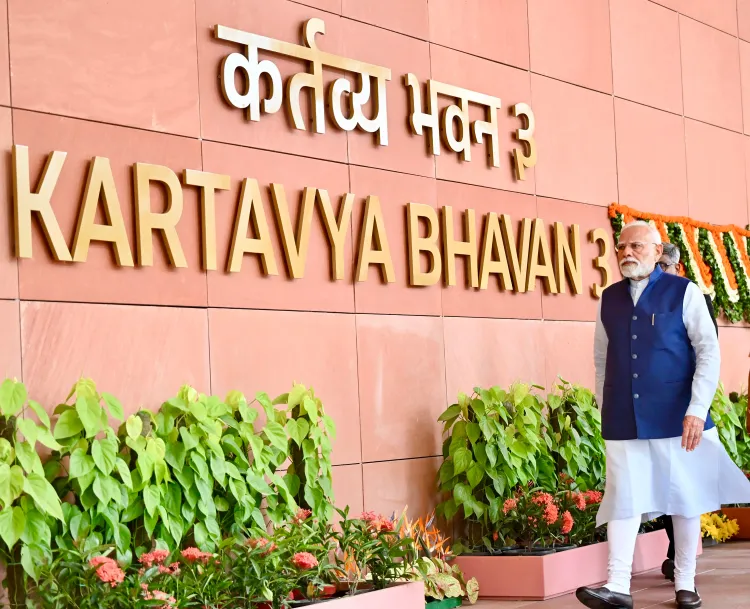
Walk into the heart of Indian administration today, and you will no longer find the Central Secretariat; it has transformed into “Kartavya Bhavan” – the House of Duty. Here, documents are handled under nameplates that emphasize the mission: to serve, not to rule.
Even the formidable South Block and North Block have been unified into a new campus named “Seva Teerth” – the Pilgrimage of Service. This reimagined workspace is sacred ground where policy is treated as an offering to the nation’s 1.4 billion citizens. These changes are not mere renamings by a government obsessed with image; they are intentional moves that have been evolving since Modi took office in 2014.
Gradually, the outdated symbols of satta – dominance, control, and distance – are being replaced with the language of seva and kartavya: service and duty, intimacy and accountability.
While symbols may only scratch the surface, in India, where culture is often deeper than constitutional law, a name change is frequently the first hint of a fundamental transformation.
As buildings that once evoked intimidation now embrace all, and roads that once honored rulers now celebrate responsibility, a shift occurs within the collective mindset. India is learning a vital lesson: government is not a throne to occupy but a trust to fulfill.
Through this quiet linguistic revolution, an enduring democracy is discovering, name by name, street by street, how to position the citizens where they have always belonged – at the very heart of power.
Point of View
I believe this shift in India's governance signifies a critical reorientation towards public service. It reflects a deeper understanding of democracy where the people are prioritized.
NationPress
01/12/2025
Frequently Asked Questions
What changes are being made to India's governance?
India is renaming significant government buildings and streets to reflect a focus on public service and duty, replacing symbols of authority with those of responsibility.
Who initiated these changes?
Prime Minister Narendra Modi has been the driving force behind this transformation since taking office in 2014.
What does Lok Bhavan mean?
Lok Bhavan translates to the People's House, symbolizing a shift towards prioritizing citizens in governance.
How does this change affect Indian democracy?
This transformation is repositioning citizens at the heart of governance, emphasizing accountability and service over dominance.
What is Kartavya Path?
Kartavya Path, or the Path of Duty, is a renaming of Rajpath, representing a commitment to civic responsibility.