Gujarat CM Office: Tiger Returns to Ratanmahal Forest
Synopsis
Gujarat's CMO announced on International Tiger Day 2026 that the Royal Bengal Tiger has permanently returned to Ratanmahal forest in Dahod, making Gujarat the only Indian state where the Asiatic lion, Indian leopard, and Royal Bengal Tiger coexist in the wild.
Key Takeaways
The Chief Minister's Office of Gujarat announced the permanent return of the Royal Bengal Tiger to Ratanmahal forest, Dahod district on 29 July 2026 .
Gujarat is now claimed to be the only Indian state where the Asiatic lion, Indian leopard, and Royal Bengal Tiger coexist in the wild.
Prime Minister Narendra Modi's conservation vision and Chief Minister Bhupendra Patel's leadership were credited for the development.
The Gujarat Forest Department's sustained efforts were highlighted as the operational driver of the tiger's return.
The announcement was made on International Tiger Day , the annual global observance held every 29 July .
Independent scientific verification and future All India Tiger Estimation exercises will be needed to confirm a permanent tiger population in Ratanmahal.
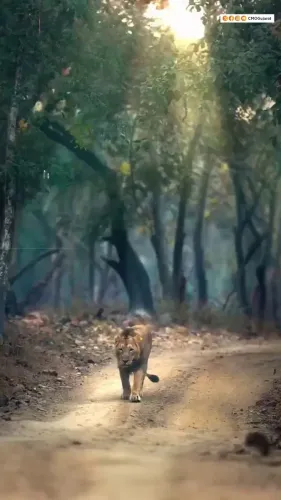
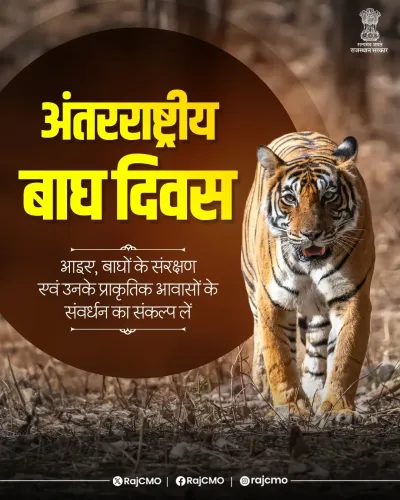
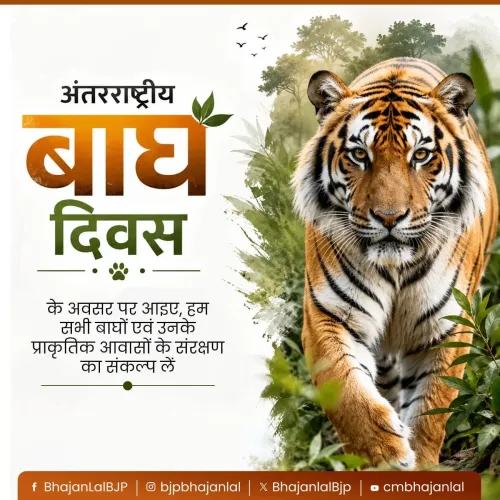
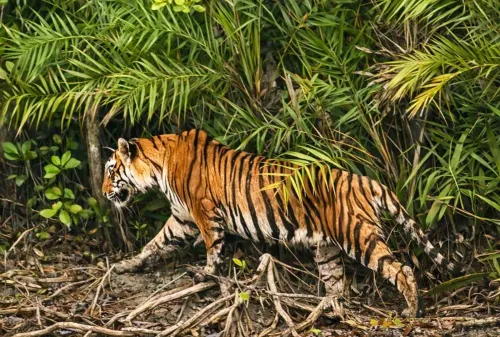
A tiger's roar has echoed through the forests of Ratanmahal in Dahod district, Gujarat — and with it, the state has claimed a distinction no other in India holds. On International Tiger Day, 29 July 2026, the Chief Minister's Office of Gujarat announced the permanent return of the Royal Bengal Tiger to Ratanmahal, making Gujarat the only state where the Asiatic lion, the Indian leopard, and the Royal Bengal Tiger coexist in the wild.
The post, shared in Gujarati, declared: 'With the permanent return of the tiger to the forests of Ratanmahal in Dahod, our Gujarat has now become the unique state in the country' where all three apex predators share the same landscape. The CMO credited the development to Prime Minister Narendra Modi's conservation vision and Chief Minister Bhupendra Patel's leadership, alongside the sustained efforts of the Gujarat Forest Department.
What Makes Ratanmahal Significant
Ratanmahal, nestled in the forested hills of Dahod in eastern Gujarat, has historically been a wildlife sanctuary known for sloth bears and leopards. The region sits along the ecological fringe connecting Gujarat's forests to the tiger-bearing landscapes of neighbouring Madhya Pradesh and Rajasthan. That corridor geography is precisely why conservationists had long considered eastern Gujarat a plausible zone for tiger dispersal — and why this reported return carries weight beyond symbolism. Gujarat's identity in wildlife conservation has been anchored for decades to Gir National Park, the last refuge of the Asiatic lion. Adding a confirmed tiger presence in Ratanmahal would mean the state now hosts three of India's most iconic big cats — a trifecta that no other Indian state can claim.Project Tiger's Long Arc Reaches Gujarat
Project Tiger, launched nationally in 1973, has driven India's tiger recovery through habitat protection, anti-poaching enforcement, and corridor management across dozens of reserves. India's tiger population has climbed steadily under successive estimation exercises, a national success story built on exactly the kind of forest-department groundwork the CMO highlighted. Gujarat, which had no formal tiger reserve, now finds itself drawn into that recovery narrative through natural dispersal rather than managed reintroduction — a distinction that makes the Ratanmahal development ecologically notable. The announcement lands on International Tiger Day, the global observance held every 29 July to spotlight tiger conservation, giving the state government's claim maximum visibility at a moment when the world's attention is already on the species.What Wildlife Watchers Will Track Next
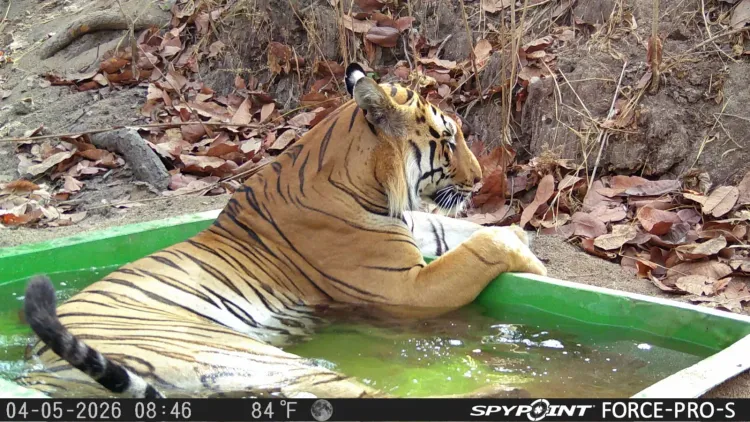
The CMO's announcement does not include population numbers or camera-trap data, and independent scientific verification of a 'permanent' tiger presence in Ratanmahal will be the critical next step. Future rounds of the All India Tiger Estimation exercise will be the authoritative measure. Conservationists and forest communities in eastern Gujarat will also watch whether the state moves to formally notify a tiger reserve or gazette a wildlife corridor in the region — a step that would translate a hopeful headline into lasting habitat protection. Gujarat's forests have earned a new chapter. Whether it becomes a permanent one depends on what happens on the ground next.Point of View
The narrative of lion, leopard, and tiger coexisting under its watch is potent political capital that dovetails with the Centre's Project Tiger legacy. The absence of population numbers or independent verification is a gap that scientists will press on, but the political optics of the claim are hard to separate from the ecological significance. If Ratanmahal's tiger presence is confirmed and formalised through a notified reserve or corridor, it would mark a genuine shift in India's conservation map — one that eastern Gujarat's forest communities and wildlife managers will shape as much as any government announcement.
NationPress
13 Sept 2026
Frequently Asked Questions
Which forest in Gujarat have tigers returned to?
The Royal Bengal Tiger has reportedly returned permanently to Ratanmahal forest in Dahod district , eastern Gujarat, according to an announcement by the Chief Minister's Office on 29 July 2026.
Why is Gujarat unique for wildlife in India?
Gujarat is claimed to be the only Indian state where the Asiatic lion (Gir), the Indian leopard , and the Royal Bengal Tiger (Ratanmahal) coexist in the wild — a trifecta no other state currently holds.
What is International Tiger Day?
International Tiger Day is a global wildlife observance held every 29 July to raise awareness about tiger conservation and the threats facing the species worldwide.
What is Project Tiger and how does it relate to Gujarat?
Project Tiger was launched in 1973 to conserve tigers and their habitats across India. Gujarat had no formal tiger reserve, but the project's broader habitat and corridor management across neighbouring states is credited with enabling natural tiger dispersal into Ratanmahal.
Has the tiger return in Ratanmahal been independently verified?
The CMO's announcement does not include camera-trap data or population numbers. Independent scientific verification and the next All India Tiger Estimation exercise will be needed to confirm a permanent tiger presence in Ratanmahal.