Tirupur's Textile Sector Faces Decline Amid Digital Election Shift
Synopsis
As Tamil Nadu gears up for elections, Tirupur's textile hub is witnessing an unexpected dip in demand for traditional campaign materials. This shift towards digital campaigning is reshaping the industry, leading to a slowdown in orders and changing how political parties engage with voters.
Key Takeaways
Declining Demand: The demand for election-related merchandise in Tirupur is significantly lower this year due to digital campaigning.
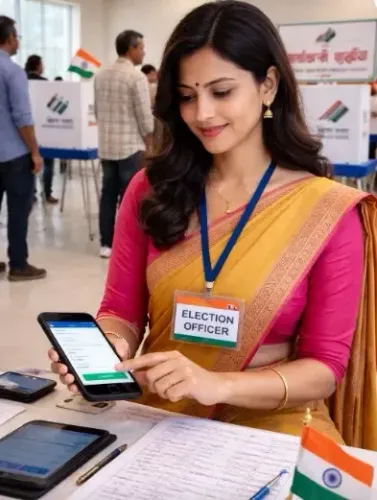
Changing Strategies: Political parties are focusing more on social media outreach instead of traditional rallies.
Impact on Manufacturers: Many manufacturers are operating below capacity, affecting their business.
Shift in Merchandise: There is a notable decrease in candidate-specific campaign materials.
Cost-Effective Alternatives: Campaign styles are evolving towards cheaper items for visibility.
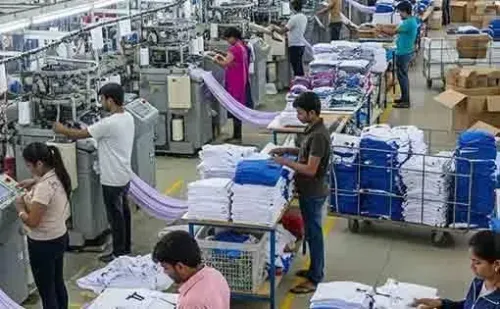
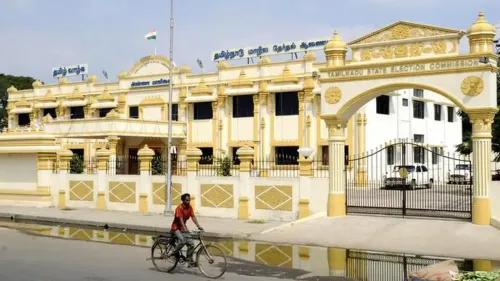
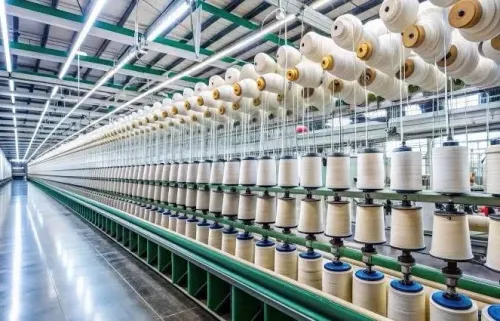
Coimbatore, April 13 (NationPress) As the Tamil Nadu Assembly elections approach on April 23, Tirupur’s textile industry—a key player during election periods—is experiencing an unexpected downturn, with a significant decline in demand for election-related merchandise this year.
Manufacturers from Tirupur, known for producing crucial campaign materials, report that shifting political strategies have led to a drastic decrease in orders. Political parties are now prioritizing digital outreach and social media strategies over large-scale public events, which historically drove demand for products such as printed T-shirts, caps, and flags.
This shift has disrupted what was once a reliable seasonal business cycle, with many small and medium enterprises that typically function at full capacity during elections now operating below optimal levels—a clear indication of the increasing impact of technology in campaigning.
Moreover, there is a noticeable reduction in candidate-specific merchandise. In past elections, candidates would often request customized items featuring their names and symbols for local campaigning. This trend appears to be fading, reflecting a broader move away from personalized branding at the grassroots level.
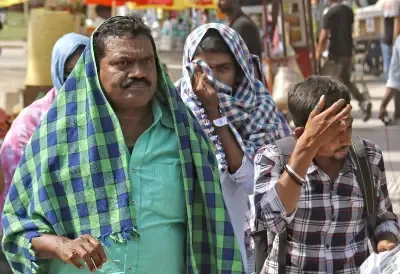
Campaigning styles have also evolved. The traditional door-to-door canvassing, once characterized by party workers wearing branded T-shirts, is now shifting towards more cost-effective alternatives.
Party workers are increasingly opting for low-cost items like towels, which are both affordable and effective for campaign visibility.
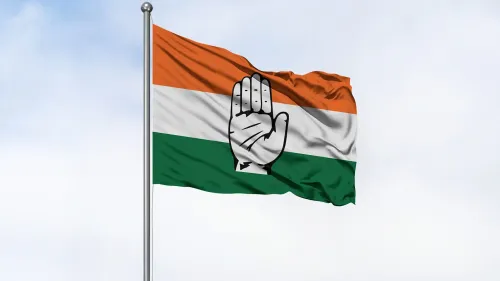
Furthermore, the slowdown extends beyond apparel. Sales of campaign accessories, such as caps, have plummeted, with actual orders failing to meet earlier inquiries. Flag manufacturers are also facing challenges, with a significant amount of pre-produced stock remaining unsold as polling day approaches.
Delays in finalizing alliances and candidate announcements have compounded the industry's issues, limiting the timeframe for campaign expenditures.
Manufacturers indicate that orders usually surge only after nominations are confirmed, leaving little opportunity for large-scale production this election cycle. However, some demand has emerged from new political players, offering limited prospects for fresh orders. Yet, tight timelines have prevented manufacturers from fully exploiting this segment.
Additionally, competition from lower-cost suppliers in North India is intensifying, leading buyers to prefer cheaper, disposable materials over the superior quality cotton products from Tirupur.
As the election date approaches, uncertainty looms over whether demand will rebound, with the digital shift continuing to transform traditional campaigning dynamics.
Point of View
The evolving political landscape and the increasing reliance on digital strategies appear to be fundamentally altering the fabric of traditional campaigning. While this shift presents challenges for manufacturers in Tirupur, it also signals a transformative moment for how political engagement is approached in the future.
NationPress
18 Sept 2026
Frequently Asked Questions
Why is demand for election merchandise declining in Tirupur?
Demand is declining due to a shift towards digital campaigning and social media, reducing the need for traditional merchandise like printed T-shirts and caps.
What impact is this shift having on local manufacturers?
Local manufacturers are experiencing lower production capacities and unsold stock, leading to financial strain as the election approaches.
Are political parties still using any campaign merchandise?
Yes, some new political entrants are placing orders, but overall demand is significantly lower than in previous election cycles.
How are campaign styles changing in Tirupur?
Campaign styles are shifting from traditional door-to-door canvassing with branded apparel to more economical items like towels.
What challenges are manufacturers facing due to competition?
Manufacturers are facing stiff competition from low-cost suppliers in North India, which is pushing buyers towards cheaper materials.