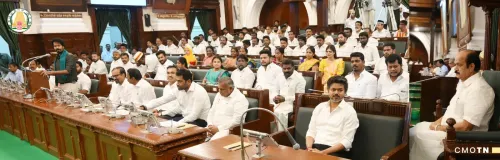
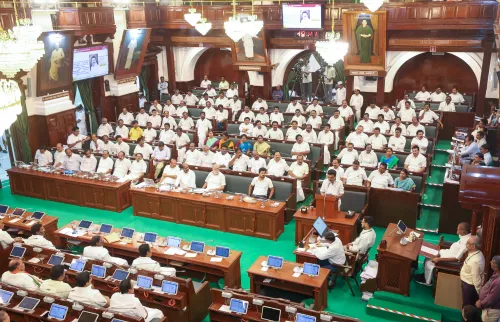
Tamil Nadu Assembly begins dept-wise grant debate today, 3 departments up first
Synopsis
Tamil Nadu's budget session enters its most consequential phase as the Assembly begins department-wise grant debates on 17 August, starting with Health, Revenue, and Disaster Management. With new schemes expected to be announced by ministers at the close of each debate, the coming days will reveal the government's real spending priorities beyond the headline Budget numbers.
Key Takeaways
The Tamil Nadu Legislative Assembly resumed on 17 August 2026 after a four-day break for Independence Day.
Health and Family Welfare , Revenue and Disaster Management , and Natural Calamities Mitigation are the first three departments up for debate.
Sengottaiyan will respond to legislators and are expected to announce new departmental schemes.
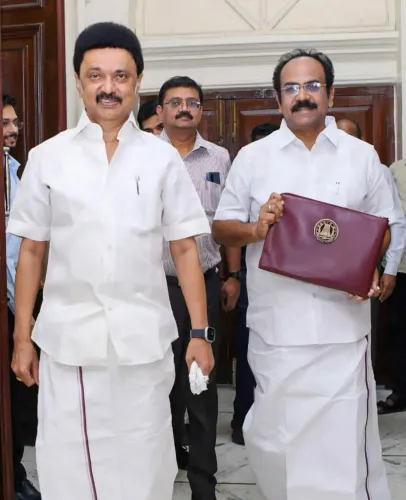
The government's first general Budget for 2026-27 was presented on 5 August ; the general debate concluded on 12 August .
Grant-demand debates allow legislators to scrutinise individual departmental allocations and flag implementation gaps.
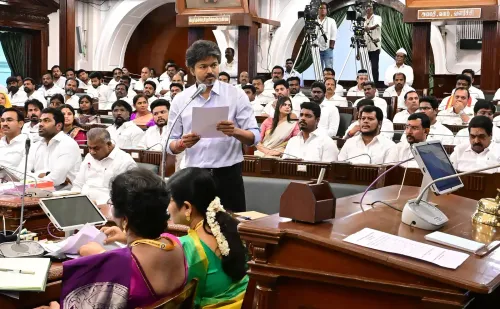
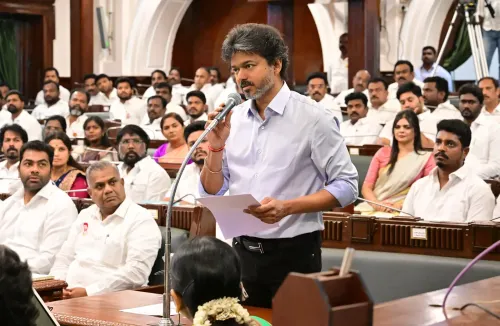
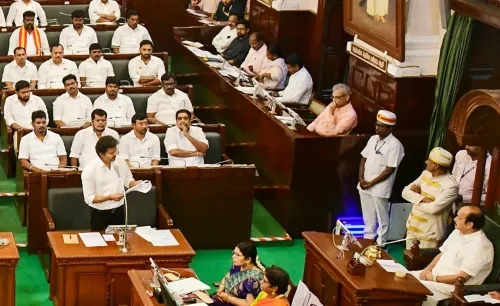
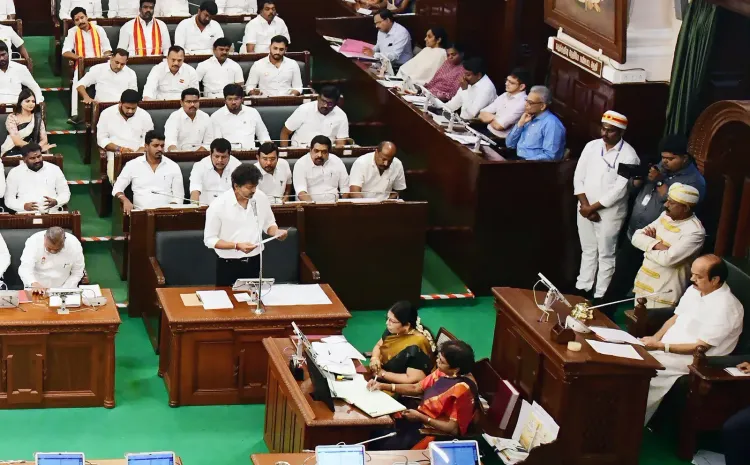
The Tamil Nadu Legislative Assembly reconvened on Monday, 17 August 2026, after a four-day recess to commence department-wise discussions on demands for grants for the 2026-27 financial year. The resumption marks the next critical phase of the Assembly's ongoing budget session, with scrutiny now shifting from broad fiscal policy to individual departmental allocations.
Departments in Focus on Day One
Three departments are scheduled to face legislative scrutiny on the opening day: Health and Family Welfare, Revenue and Disaster Management, and Natural Calamities Mitigation. Members from both the ruling party and the Opposition are expected to raise concerns spanning healthcare infrastructure, medical education, public welfare delivery, revenue administration, and the state's preparedness for natural disasters.
Health, Medical Education and Family Welfare Minister Dr K.K. Arunraj and Revenue and Disaster Management Minister K.A. Sengottaiyan are slated to respond to legislators' queries. Both ministers are also expected to announce new schemes and initiatives for their respective departments at the conclusion of the debate.
How the Budget Session Has Unfolded
The newly elected government presented its first general Budget for 2026-27 on 5 August, followed by a separate Agriculture Budget on 6 August. A combined discussion on both financial statements was held across 7, 10, and 11 August, with legislators from across party lines weighing in on the state's fiscal position, development priorities, welfare commitments, and agricultural challenges.
Finance Minister Maria Wilson and Agriculture Minister Vinod replied to the general debate on 12 August, formally closing that phase. The Assembly then adjourned for four days on account of Independence Day celebrations before returning for the grant-demand stage.
What Grant-Demand Debates Mean
Unlike the broader Budget discussion, the grant-demand stage allows legislators to scrutinise proposed expenditure and policy priorities at the department level. Members can flag shortfalls in programme implementation, challenge specific allocations, and seek new projects for their constituencies. The government, in turn, uses the proceedings to lay out its department-wise roadmap for the year.
This granular phase is often where substantive policy commitments emerge — ministers frequently use their closing replies to announce targeted schemes that do not feature in the main Budget speech.
Key Issues Expected to Dominate
Debate on Health and Family Welfare is likely to draw attention to the condition of government hospitals, availability of doctors in rural areas, and progress on medical education expansion. The Revenue and Disaster Management discussion is expected to centre on disaster-response capacity, relief mechanisms, and the efficiency of revenue services at the district level.
Discussions on the demands of remaining departments will continue on subsequent sitting days in line with the Assembly's schedule, with the session expected to extend over several weeks.
Point of View
High-complaint sectors where the gap between Budget allocations and ground reality is most visible to ordinary citizens. The announcement of new schemes during ministerial replies, a common practice, risks turning a scrutiny exercise into a publicity exercise. The real test is whether the Opposition uses the floor to demand implementation data on existing programmes before the government layers on new ones.
NationPress
1 Oct 2026
Frequently Asked Questions
What are grant-demand debates in the Tamil Nadu Assembly?
Grant-demand debates are a stage in the budget session where legislators scrutinise proposed expenditure for individual government departments, rather than discussing the Budget as a whole. Members can challenge specific allocations, flag implementation gaps, and seek new projects for their constituencies.
Which departments are being debated first in the Tamil Nadu Assembly on 17 August?
Health and Family Welfare, Revenue and Disaster Management, and Natural Calamities Mitigation are the three departments scheduled for debate on the opening day of the grant-demand stage.
Will new schemes be announced during the Tamil Nadu grant-demand debates?
Yes, ministers are expected to announce new schemes and initiatives for their departments at the conclusion of each debate. Health Minister Dr K.K. Arunraj and Revenue Minister K.A. Sengottaiyan are both expected to make such announcements.
How does the 2026-27 Tamil Nadu budget session compare to previous sessions?
This is the newly elected government's first full budget session. The general Budget was presented on 5 August and a separate Agriculture Budget on 6 August — both discussed together from 7 to 12 August before the Assembly adjourned for Independence Day.
When will the Tamil Nadu Assembly complete all department-wise grant debates?
Discussions on remaining departments will continue on subsequent sitting days per the Assembly's schedule. The session is expected to extend over several weeks as each department is taken up in turn.