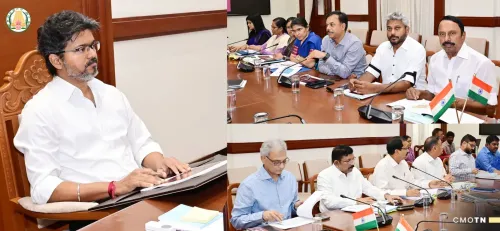
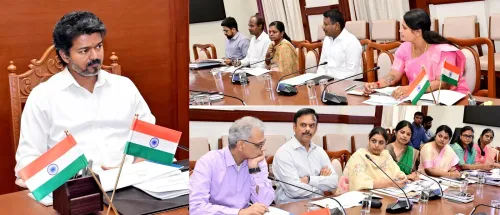
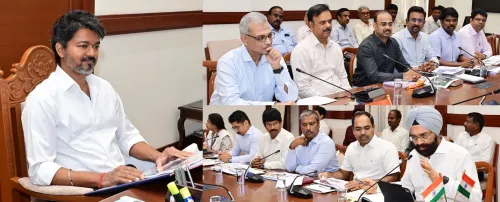
TN CM chairs monsoon, water supply and crop review meet
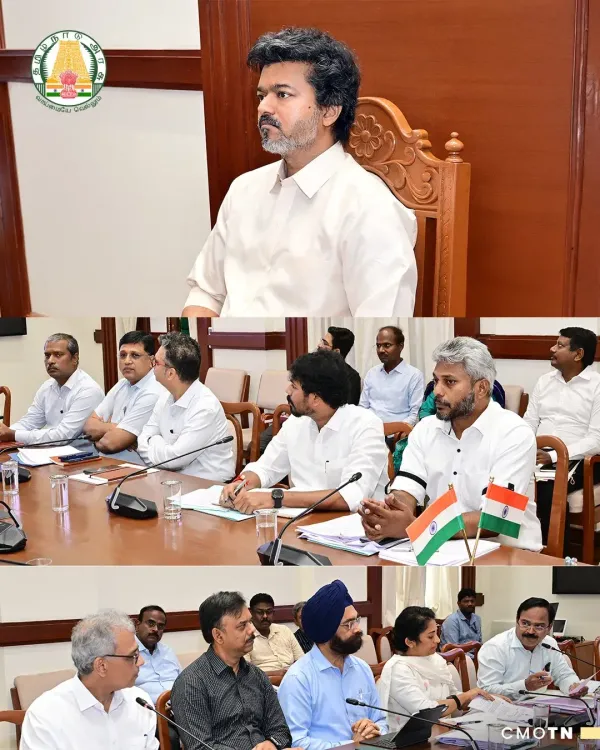
Synopsis
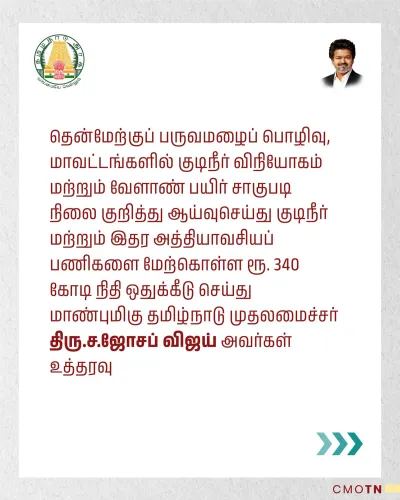
Chief Minister Joseph Vijay chaired a comprehensive review at the Tamil Nadu State Secretariat on 31 July 2026, covering southwest monsoon rainfall distribution, district-wise drinking water supply, and agricultural crop cultivation — signalling active mid-season monsoon governance.
Key Takeaways
CM Joseph Vijay chaired a detailed monsoon review at the State Secretariat on 31 July 2026 .
The meeting assessed southwest monsoon rainfall distribution across Tamil Nadu's districts.
District-level drinking water supply status was reviewed as part of the session.
The condition of agricultural crop cultivation across the state was also examined.
Tamil Nadu depends on both the southwest and northeast monsoons , making mid-season reviews especially consequential for farmers and rural households.
Follow-up watch points include reservoir storage levels and any district-specific contingency directives.
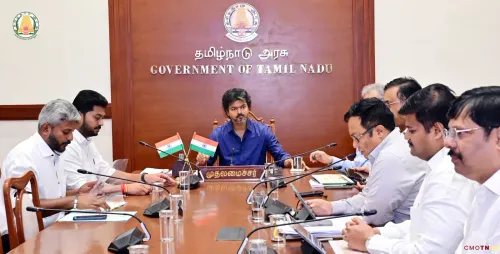
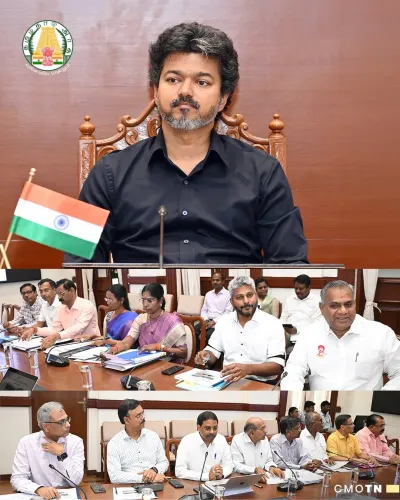
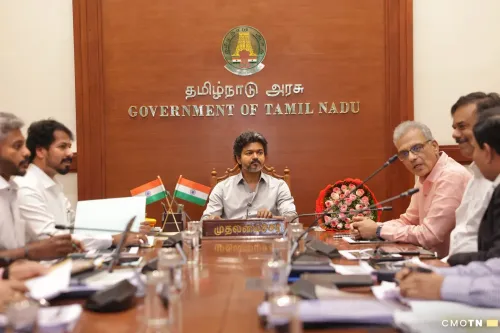
With the southwest monsoon season at a critical midpoint, Tamil Nadu Chief Minister Joseph Vijay convened a detailed review meeting at the State Secretariat on 31 July 2026 to assess rainfall distribution, drinking water supply across districts, and the status of agricultural crop cultivation across the state.
What the secretariat took stock of
The meeting, chaired by CM Joseph Vijay, examined three interlocking concerns: how the southwest monsoon has been tracking across Tamil Nadu's districts, whether drinking water pipelines and supply systems are holding up under seasonal demand, and the ground-level condition of standing crops. Tamil Nadu's farming calendar is acutely sensitive to monsoon performance — a deficit or erratic distribution can cascade quickly from field to reservoir to kitchen.
Why Tamil Nadu watches the southwest monsoon closely
Tamil Nadu is one of the few Indian states that depends significantly on both the southwest and northeast monsoons for its annual water budget. The southwest monsoon, which runs roughly from June to September, feeds the state's western and northern districts more reliably, while the northeast monsoon — arriving in October — is historically the bigger rain-bearer for Chennai and the eastern coast. A weak southwest season therefore raises the stakes for the northeast monsoon that follows, making mid-season reviews like this one a standard but consequential part of state governance.
State governments across India hold periodic administrative reviews during the monsoon cycle to coordinate reservoir management, district-level water rationing, and agricultural support. For Tamil Nadu's farmers and rural households — the two groups most directly exposed to rainfall variability — the signals that emerge from such meetings often shape decisions on crop choice, irrigation scheduling, and emergency relief.
What comes next for districts and reservoirs
The immediate watch points following the secretariat meeting are any district-specific directives on water conservation or supplementary supply, updates on storage levels at the state's major reservoirs, and contingency measures for districts that may be running behind on rainfall. The Chief Minister's Office has not yet released granular district-level data from the review, but the convening of a dedicated, comprehensive session signals that the administration is treating monsoon management as an active priority rather than a routine file.
For Tamil Nadu's agricultural communities, the next few weeks of the southwest monsoon window will be decisive — and the government's posture today suggests it intends to stay ahead of the curve rather than react after the fact.
Point of View
Not settled files. For a state as monsoon-dependent as Tamil Nadu, the political stakes of a bad season are high: crop distress feeds directly into rural discontent. The choice to hold a comprehensive, multi-theme review — rather than siloed department briefings — suggests CM Vijay is centralising monsoon oversight, a posture that keeps the Chief Minister's office visible on an issue that touches millions of farmers and households simultaneously.
NationPress
31 Jul 2026
Frequently Asked Questions
What was discussed at the Tamil Nadu monsoon review meeting on 31 July 2026?
The meeting, chaired by CM Joseph Vijay at the State Secretariat, reviewed southwest monsoon rainfall distribution across Tamil Nadu, district-wise drinking water supply, and the status of agricultural crop cultivation in the state.
Why does Tamil Nadu hold monsoon review meetings?
Tamil Nadu depends on both the southwest and northeast monsoons for its water supply and agriculture. Mid-season reviews help the government coordinate reservoir management, water distribution, and support for farmers in districts facing rainfall deficits.
Who is the Chief Minister of Tamil Nadu in 2026?
According to the Chief Minister's Office of Tamil Nadu's official post, Joseph Vijay is serving as Chief Minister of Tamil Nadu as of 31 July 2026.
How does the southwest monsoon affect Tamil Nadu farmers?
The southwest monsoon is critical for Tamil Nadu's western and northern districts. A deficit or erratic distribution can damage standing crops, lower reservoir levels, and strain rural drinking water supply, making timely government reviews essential.
What will the Tamil Nadu government do after the monsoon review?
Key follow-up actions to watch include district-specific contingency measures, updates on major reservoir storage levels, and any directives on supplementary drinking water supply for districts running behind on rainfall.