Tamil Nadu digital mining overhaul targets ₹9,000 crore revenue
Synopsis
Tamil Nadu is deploying a state-wide digital weighbridge network to track every mineral load extracted — a direct response to large-scale royalty evasion that has kept mining revenues at ₹4,500 crore when officials believe the sector can yield ₹9,000 crore. With 67 quarries already suspended and ₹78 crore in penalties levied, the enforcement push is already live before the technology is even in place.
Key Takeaways
Joseph Vijay chaired a high-level review of the Natural Resources Department digital overhaul this week.
Mining revenue stood at ₹4,500 crore in 2025-26 ; the government targets ₹6,500 crore in phase one and ₹9,000 crore long-term.
A digital weighbridge system linked to a centralised platform will track all mineral extraction across Tamil Nadu .
67 quarries in Tenkasi, Kanniyakumari, Virudhunagar, and Madurai were suspended last month; violations found in 155 of 431 inspected.
Penalties of ₹78 crore imposed under the Tamil Nadu Minor Mineral Concession Rules, 1959 .
A three-month ban on transporting construction aggregates to neighbouring states has cut such movement by 15 per cent .
The Tamil Nadu government is set to digitally transform its Natural Resources Department, introducing a comprehensive online monitoring platform to curb illegal mining, improve regulatory transparency, and scale annual mining revenue from ₹4,500 crore to a long-term target of ₹9,000 crore. The initiative was reviewed at a high-level meeting chaired by Chief Minister C. Joseph Vijay earlier this week, with the Chief Secretary, Finance Secretary, and heads of key departments in attendance.
Revenue Gap and the Digital Fix
The department collected ₹4,500 crore in 2025-26 through mining lease fees, royalties, mineral-bearing land tax, contributions to the Green Fund, and payments to the District Mineral Foundation Trust. Officials acknowledge that a significant volume of rough stone and other minerals extracted from both leased and unleased areas currently bypasses the royalty and tax framework, resulting in substantial revenue leakage.
To close that gap, the government plans to deploy a digital weighbridge system linked to a centralised online platform that will track every mineral load extracted across the state. In the first phase, annual revenue is expected to rise to approximately ₹6,500 crore, with the long-term target set at ₹9,000 crore.
Enforcement Already Underway
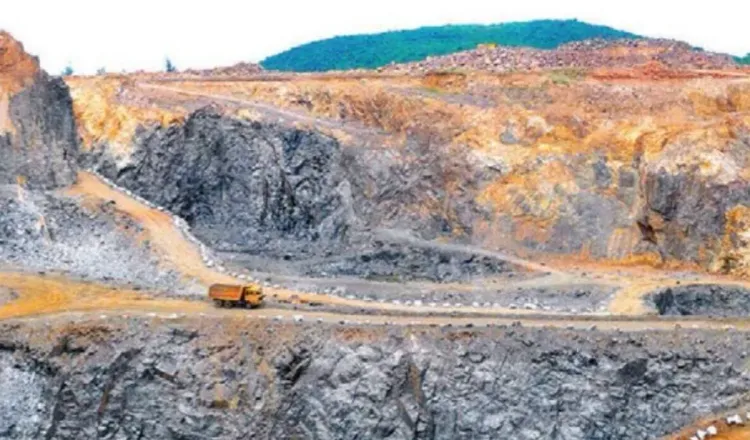
The crackdown has not waited for the digital infrastructure to arrive. Last month, operations at 67 stone quarries across Tenkasi, Kanniyakumari, Virudhunagar, and Madurai districts were suspended after inspections found illegal mining, including extraction beyond approved lease boundaries. Of 431 quarries inspected, violations were detected in 155. Penalties totalling ₹78 crore have been imposed under the Tamil Nadu Minor Mineral Concession Rules, 1959, with proceedings still under way against several remaining operators. Some quarry owners have challenged the penalties through appeals currently under consideration.
Major Minerals and the Transport Ban
In 2024-25, the state earned ₹433 crore from lease concessions for major minerals including limestone, lignite, marl, graphite, magnesite, and atomic minerals. Separately, a recently announced three-month ban on transporting construction aggregates to neighbouring states has already reduced such material movement by around 15 per cent, as the government intensifies efforts to prevent illegal extraction and plug revenue leakages.
Short-Term Pain, Long-Term Gain
Officials concede that tighter enforcement may initially slow mining activity and weigh on the sector's near-term performance. However, the government's position is that improved compliance will deliver sustained revenue growth over the medium to long term. The integrated platform, once operational, is intended to bring all mineral extraction activity under real-time state oversight — a structural shift from the largely manual inspection regime currently in place.
Point of View
000 crore — rests on a premise the government itself admits: a large share of extraction currently escapes the tax net entirely. The digital weighbridge plan is the right structural response, but technology alone does not fix a compliance culture built over decades of lax enforcement. The real test will be whether the centralised platform is immune to the same rent-seeking pressures that allowed 155 out of 431 inspected quarries to run in violation. The ₹78 crore in penalties is a signal, but appeals are already piling up — suggesting the industry will fight the new regime in courts as vigorously as it has evaded it in the field.
NationPress
29 Jul 2026
Frequently Asked Questions
What is Tamil Nadu's plan to overhaul its Natural Resources Department?
Tamil Nadu plans to introduce a digital weighbridge system linked to a centralised online platform to monitor all mineral extraction across the state. The goal is to curb illegal mining, improve transparency, and raise annual mining revenue from ₹4,500 crore to a long-term target of ₹9,000 crore.
How much revenue does Tamil Nadu currently earn from mining?
The Natural Resources Department generated approximately ₹4,500 crore in 2025-26 through mining lease fees, royalties, mineral-bearing land tax, Green Fund contributions, and District Mineral Foundation Trust payments. Officials believe tighter regulation could raise this to ₹6,500 crore in the first phase.
Why were 67 quarries suspended in Tamil Nadu?
Operations at 67 stone quarries across Tenkasi, Kanniyakumari, Virudhunagar, and Madurai districts were suspended after inspections revealed illegal mining, including extraction beyond approved lease boundaries. Of 431 quarries inspected, violations were found in 155.
What penalties have been imposed on illegal mining operators in Tamil Nadu?
Penalties totalling ₹78 crore have been imposed under the Tamil Nadu Minor Mineral Concession Rules, 1959. Proceedings against some operators are still under way, and several quarry owners have filed appeals that are currently under consideration.
What is the impact of Tamil Nadu's ban on transporting construction aggregates?
Tamil Nadu's three-month ban on transporting construction aggregates to neighbouring states has reduced the movement of such materials by around 15 per cent, according to officials. The ban is part of the government's broader push to regulate the mining sector and prevent revenue leakage.