Should Indians Avoid Non-Essential Travel to Iran?
Synopsis
India's Ministry of External Affairs has issued a travel advisory urging citizens to avoid Iran amid rising tensions and protests. With clashes resulting in fatalities, the government emphasizes safety and vigilance for those currently in the country. The US also weighs its response to Iran's actions, highlighting international concern.
Key Takeaways
Indian government advises against non-essential travel to Iran.
Citizens currently in Iran should exercise caution and stay informed.
Protests in Iran are linked to economic instability, particularly the fall of the rial.
The US is closely monitoring the situation and has warned Iran against violent repression.
Registration with the Indian Embassy is recommended for residents in Iran.
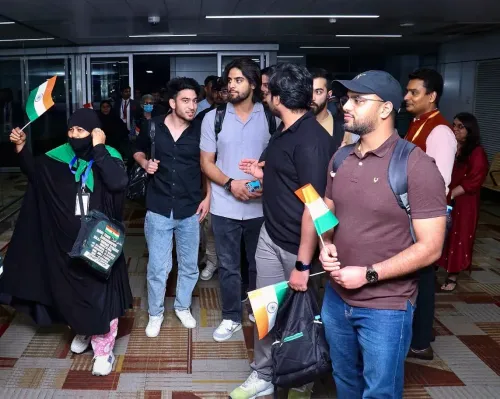
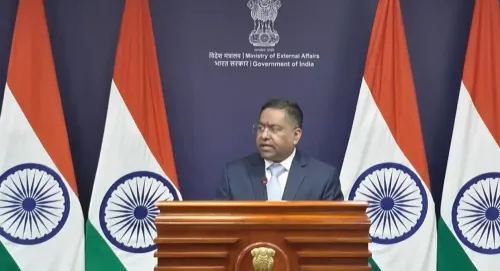
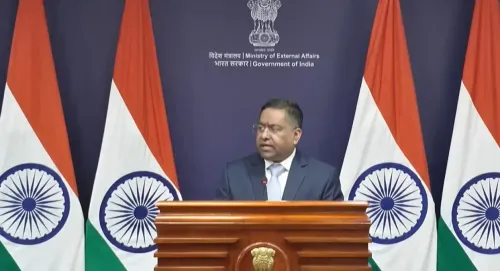
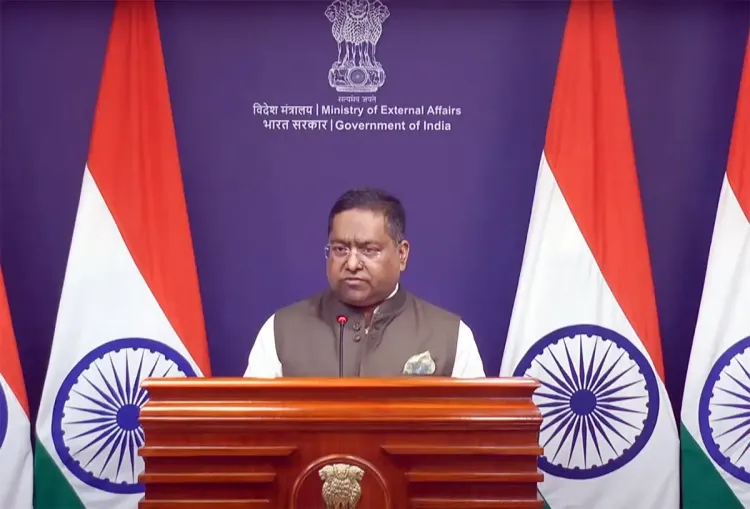
Tehran/New Delhi, Jan 5 (NationPress) The Indian government on Monday issued a warning for its citizens to refrain from non-essential travel to Iran until further notice, due to ongoing developments in the region.
The Ministry of External Affairs (MEA) advised, "Indian nationals and Persons of Indian Origin (PIOs) in Iran must exercise caution, steer clear of protest zones, and stay updated through news and the Embassy of India in Tehran's website and social media channels."
It further noted, "Indian nationals residing in Iran on long-term visas are encouraged to register with the Indian Embassy if they haven't already."
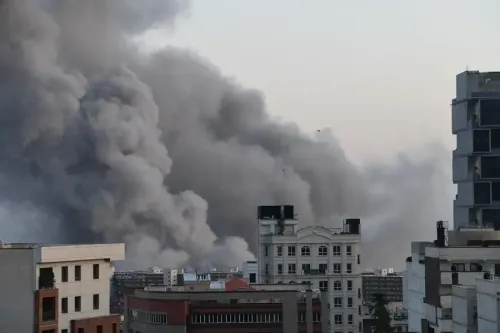
Iran is currently experiencing significant protests across various cities due to the drastic fall in the national currency, rial.
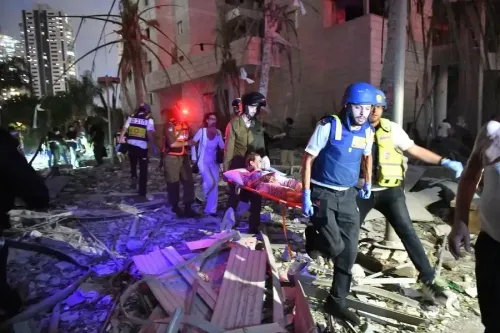
Conflicts between security forces and demonstrators have led to multiple fatalities in different provinces.
Earlier on Monday, US President Donald Trump cautioned Iran against resorting to violence to suppress protests, stating that the United States is closely observing the situation and would take strong measures if Iranian authorities resort to lethal force against civilians.
While returning to the White House aboard Air Force One from Mar-a-Lago, Trump was questioned about reports regarding fatalities among protesters in Iran and reiterated the US's readiness. "We’ll take a look," he mentioned. "We’re watching it very closely."
Trump emphasized the consequences of any lethal actions by Iranian authorities, stating, "If they start killing people as they have in the past, I think they’re going to get hit very hard by the United States."
Although the President did not specify the nature of a possible US response, the US has already stationed significant military resources in the vicinity.
Trump's remarks reflect that Washington is diligently monitoring developments in Iran and evaluating its options, although he did not provide a specific timeframe or trigger for action. "We’re watching it very closely," he reiterated.
While not making direct comparisons, Trump's warning came after strong criticisms aimed at other nations like Venezuela and Cuba, which he described as destabilizing forces.
In the past, Trump has accused Iran of brutally quelling dissent during prior protests and has utilized economic sanctions and military deterrence as methods of pressure. In this context, he refrained from announcing new actions, focusing instead on vigilance and preparedness.
"If they start killing people," he reiterated, underlining the conditions under which US intervention could occur.
Point of View
It is imperative to prioritize the safety of Indian citizens abroad. The advisory reflects the government's commitment to safeguarding its nationals in light of the ongoing unrest in Iran. We must remain vigilant and informed about developments in the region.
NationPress
16 Oct 2026
Frequently Asked Questions
Why has India issued a travel advisory for Iran?
India has advised against non-essential travel to Iran due to escalating protests and violence in the country, ensuring the safety of its citizens.
What should Indians currently in Iran do?
Indian nationals in Iran are advised to exercise caution, avoid protest areas, and stay informed through the Indian Embassy's communications.
What are the current conditions in Iran?
Iran is facing significant protests over economic issues, leading to violent clashes and resulting in several fatalities.
What is the US stance on the situation in Iran?
The US is closely monitoring the protests and has warned Iran against using lethal force against civilians, indicating potential consequences.
How can Indian nationals register with the Embassy?
Indian nationals residing in Iran on long-term visas should register with the Indian Embassy for assistance and updates.