Rath Yatra embodies unity in diversity, says Tripura CM Manik Saha
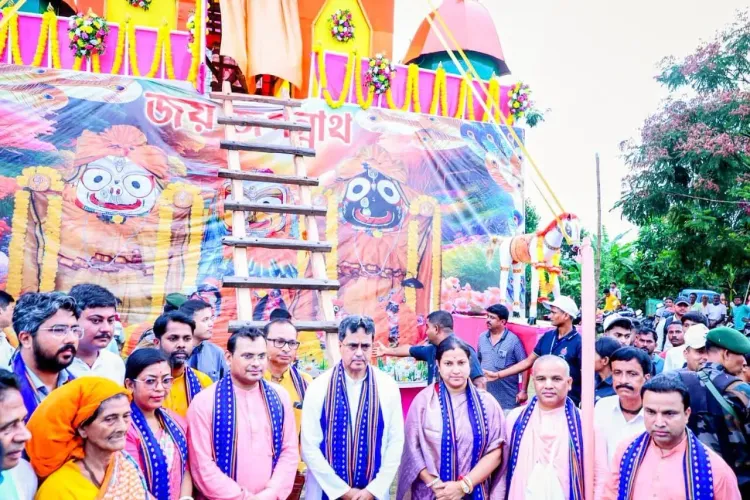
Synopsis
Tripura's Melaghar Rath Yatra — home to one of India's tallest wooden chariots at 58 feet — is more than a religious spectacle. CM Manik Saha's inauguration on 15 July framed the festival as a template for communal harmony, while also signalling the state's growing bet on religious tourism as an economic driver.
Key Takeaways
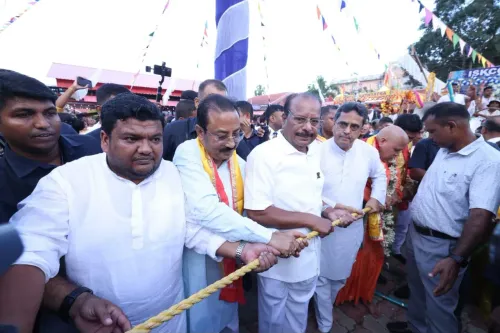
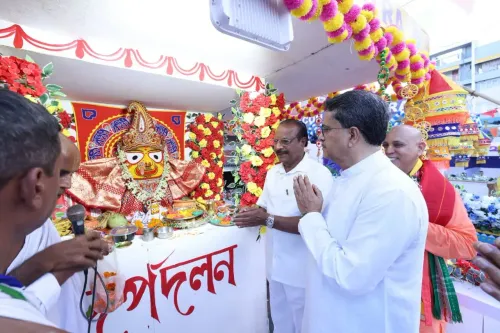
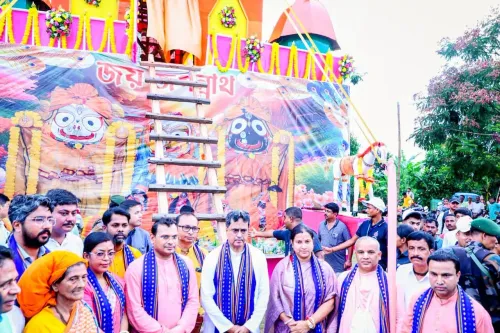
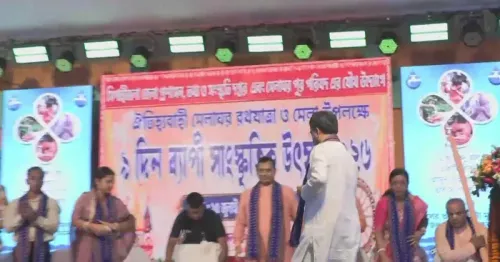
Tripura CM Manik Saha inaugurated the nine-day Melaghar Rath Yatra on 15 July 2025 at Jagannath Bari , Sepahijala district .
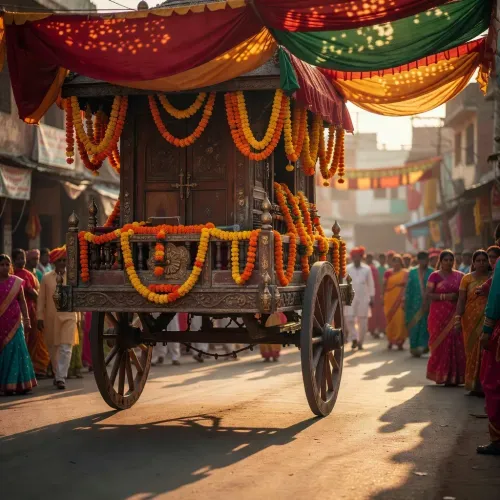
The festival's 58-foot wooden chariot is among the tallest in India, attracting devotees from the Northeast and neighbouring Bangladesh .
The Jagannath Temple at Melaghar was established by Maharaja Radha Kishore Manikya in 1905 and relocated after Partition.
Saha cited the PRASHAD scheme for redeveloping the Tripura Sundari Temple and restoration works at Chaturdasha Devata Bari and Kasbeswari Temple .
The nine-day fair generates livelihood opportunities for local traders, artisans, and small businesses, boosting the regional economy.
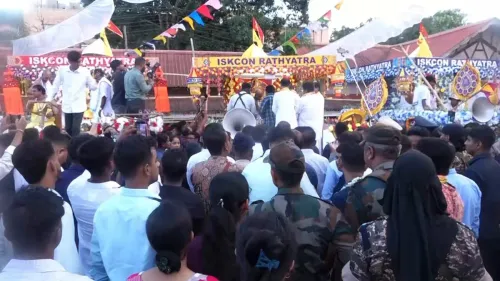
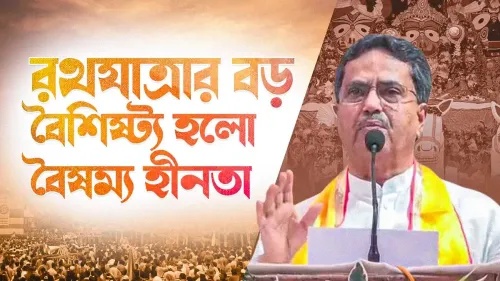
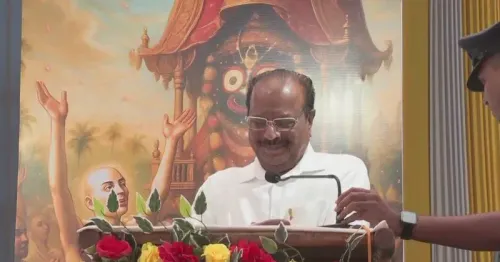
Tripura Chief Minister Manik Saha on Wednesday, 15 July inaugurated the nine-day Rath Yatra festival at the historic Jagannath Bari in Melaghar, Sepahijala district, describing the chariot festival as a living symbol of India's cultural heritage, social harmony, and the spirit of 'unity in diversity'. Addressing a large gathering, Saha urged citizens to carry the festival's message of equality, inclusiveness, and peaceful coexistence into their everyday lives.
What the Chief Minister Said
Saha said the annual chariot procession represents Lord Jagannath stepping beyond the temple to bless devotees — a tradition that, in his words, conveys the timeless message that people of all religions and communities must live together in peace. 'The Rath Yatra is not merely a religious festival but a celebration of India's cultural ethos, social unity and communal harmony. It encourages cultural exchange and reinforces the bonds of brotherhood among people,' he said.
The Chief Minister also highlighted the festival's national and global reach, noting that the Puri Rath Yatra remains the country's most celebrated chariot festival, while grand celebrations at Mahesh and Mayapur in West Bengal draw millions. Through ISKCON, he added, the festival has grown into a global event that showcases India's spiritual traditions worldwide.
Heritage, Scriptures and the Centre's Initiatives
Saha invoked ancient Hindu texts — the Brahma Purana, Padma Purana, and Skanda Purana — to underscore the scriptural significance of the Rath Yatra. He stressed the need for the younger generation to remain rooted in India's civilisational heritage while embracing modernity.
Citing the Centre's wider effort to preserve religious heritage sites, Saha referenced projects including the Ram Mandir at Ayodhya, the Kashi Vishwanath Corridor, Mahakal Lok in Ujjain, the Somnath Temple, the Char Dham pilgrimage centres, the Kartarpur Sahib Corridor, and the Buddhist Circuit.
Tripura's Own Heritage Push
The Chief Minister said the Tripura government has been actively promoting religious tourism and conserving heritage sites. He cited the redevelopment of the Tripura Sundari Temple under the PRASHAD (Pilgrimage Rejuvenation and Spiritual Heritage Augmentation Drive) scheme, as well as ongoing restoration at Chaturdasha Devata Bari and Kasbeswari Temple.
Higher Education Minister Kishore Barman also addressed the gathering, saying the Rath Yatra reflects Tripura's history, culture, emotions, and social unity, and that people from all communities have participated in the festival for generations.
Significance of the Melaghar Rath Yatra
The Melaghar Rath Yatra is regarded as one of the oldest and largest chariot festivals in Northeast India. Its towering 58-foot wooden chariot — among the tallest in the country — draws thousands of devotees annually from across the Northeast and neighbouring Bangladesh.
The festival traces its origins to the erstwhile princely state of Tripura. The present Jagannath Temple was established by Maharaja Radha Kishore Manikya in 1905. Following the Partition of India, the deity and temple tradition were relocated to Melaghar, where the festival has continued uninterrupted. This year's event has been jointly organised by the Sepahijala District Administration, the Information and Cultural Affairs Department, and the Melaghar Municipal Council.
Saha noted that beyond its religious and cultural importance, the nine-day fair provides a significant boost to the local economy by generating livelihood opportunities for traders, artisans, and small businesses — a dimension of the festival that is increasingly recognised by state planners.
Point of View
And invoking an inclusive festival narrative serves both cultural and electoral purposes. The emphasis on religious tourism and PRASHAD-linked redevelopment also reflects a broader Bharatiya Janata Party template of converting heritage sites into economic and political assets. What is less examined is whether the livelihood boost from such festivals is sustained beyond the nine days or remains episodic. The Melaghar festival's cross-border draw from Bangladesh is a quietly significant detail — one that speaks to a shared cultural geography that political discourse rarely acknowledges.
NationPress
14 Oct 2026
Frequently Asked Questions
What is the Melaghar Rath Yatra in Tripura?
The Melaghar Rath Yatra is one of the oldest and largest chariot festivals in Northeast India, held at Jagannath Bari in Melaghar, Sepahijala district, Tripura. It features a 58-foot wooden chariot — among the tallest in the country — and draws thousands of devotees from across the Northeast and neighbouring Bangladesh each year.
When did the 2025 Melaghar Rath Yatra begin?
The nine-day festival was inaugurated on 15 July 2025 by Tripura Chief Minister Manik Saha. It has been jointly organised by the Sepahijala District Administration, the Information and Cultural Affairs Department, and the Melaghar Municipal Council.
What is the historical origin of the Jagannath Temple at Melaghar?
The present Jagannath Temple was established by Maharaja Radha Kishore Manikya in 1905 during the era of the princely state of Tripura. Following the Partition of India, the deity and temple tradition were relocated to Melaghar, where the festival has continued uninterrupted since.
What heritage projects did CM Saha highlight at the event?
Saha cited the redevelopment of the Tripura Sundari Temple under the Centre's PRASHAD scheme and ongoing restoration works at Chaturdasha Devata Bari and Kasbeswari Temple. At the national level, he referenced the Ram Mandir at Ayodhya, the Kashi Vishwanath Corridor, Mahakal Lok in Ujjain, and the Kartarpur Sahib Corridor.
Why is the Melaghar Rath Yatra significant beyond religion?
Beyond its religious importance, the nine-day fair generates livelihood opportunities for local traders, artisans, and small businesses, providing a notable boost to the regional economy. CM Saha also noted its role in promoting religious tourism and preserving centuries-old cultural traditions in Northeast India.