Tripura exotic mango trials at SHRC aim for state self-reliance
Synopsis
Tripura is trialling eight exotic mango varieties — including Doc-Mai, Brunei King, and Thai-1 Red — at its Nagicherra research centre, with an eye on large-scale commercial expansion. Combined with a 90% jump in potato productivity through ARC technology and a 2029-30 self-sufficiency target, the state is mounting one of its most ambitious horticultural pushes in recent memory.
Key Takeaways
Tripura's SHRC has established an exotic mango block at Nagicherra to trial 8 premium varieties , including Yellow Banana, Doc-Mai, and Brunei King.
Agriculture Minister Ratan Lal Nath inaugurated the Fruit and Vegetable Development Unit office building on 6 June .
The Fruit Development Unit spans nearly 15 hectares and covers both indigenous and exotic fruit crops.
Potato productivity has risen to 5,888 kg per hectare — nearly 90% higher than the previous state average — through ARC technology .
Tripura targets potato seed self-reliance by 2028-29 and full ware potato self-sufficiency by 2029-30 .
Indigenous germplasm including Surji chilli , Bird's Eye chilli , and Shingaratha brinjal is being conserved at the Vegetable Innovation Unit.
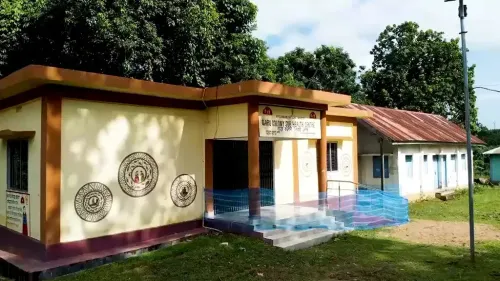
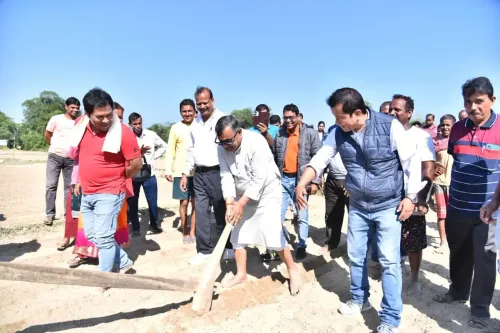
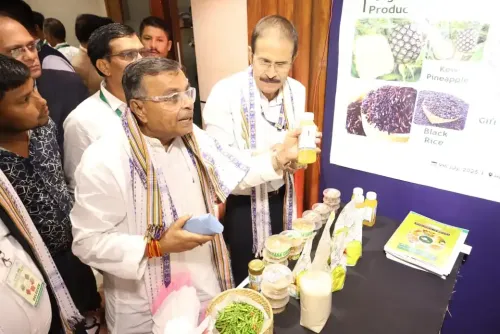
Tripura's State Horticulture Research Centre (SHRC) has launched an exotic mango block at its Nagicherra facility to evaluate premium mango varieties under the state's agro-climatic conditions, marking a significant move toward horticultural self-sufficiency. Agriculture and Farmers' Welfare Minister Ratan Lal Nath inaugurated the Fruit and Vegetable Development Unit office building at the centre on Saturday, 6 June, and outlined the state's broader ambitions in fruit, vegetable, and potato cultivation.
Exotic Mango Varieties Under Assessment
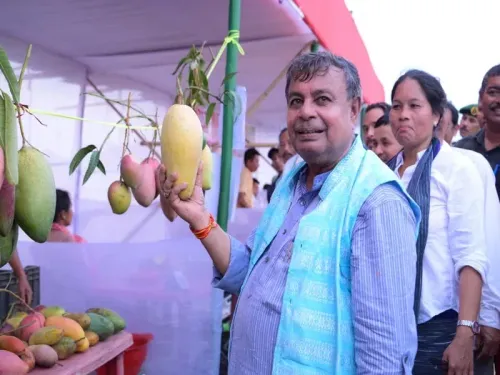
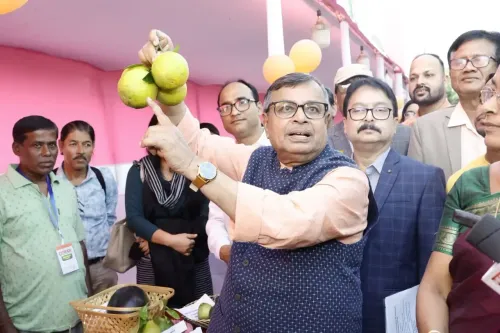
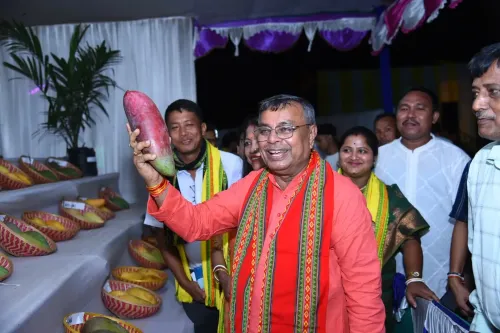
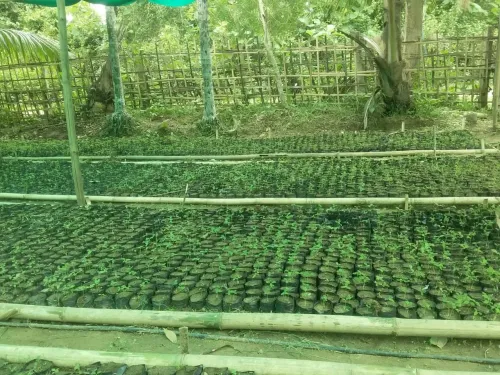
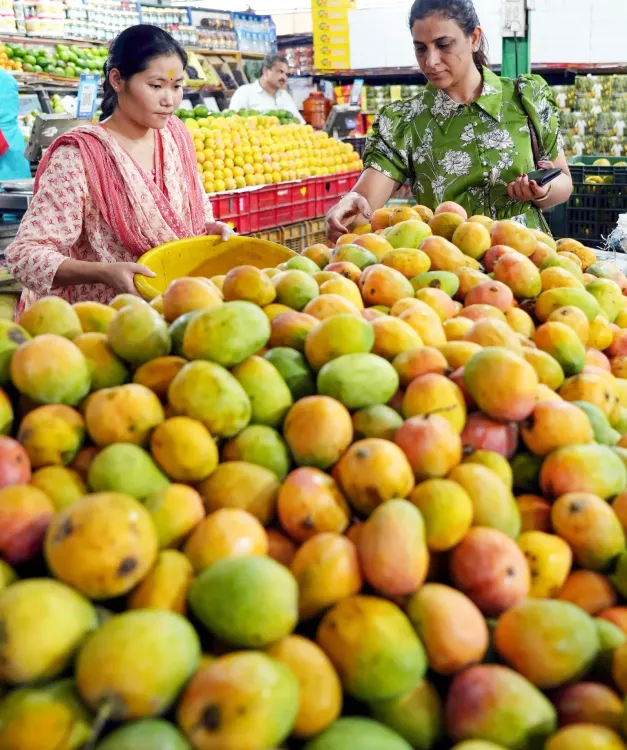
The exotic mango block has been developed with several high-value varieties, including Yellow Banana, Doc-Mai, Red Palmer, Bari-4, Brunei King, Haribhanga, Katimon, and Thai-1 Red. The objective, according to Minister Nath, is to assess their adaptability, performance, and yield potential within Tripura's specific agro-climatic environment.
'The objective is to assess their performance, adaptability and yield potential in Tripura's agro-climatic environment and to lay the foundation for future production and large-scale expansion of quality planting materials,' Nath said at the event.
Scope of the Fruit and Vegetable Development Units
The Fruit Development Unit, spread across nearly 15 hectares, maintains a rich collection of both indigenous and exotic fruit crops. Its key mandates include the introduction and popularisation of high-yielding, climate-resilient, and market-oriented varieties, as well as the conservation of fruit germplasm. The unit is also conducting commercial feasibility studies on winter strawberry cultivation.
The Vegetable Innovation Unit, located within the fruit block, focuses on developing and disseminating advanced vegetable production technologies. A key priority is promoting off-season cultivation — including summer cauliflower — among small, marginal, and commercial farmers, enabling them to supply produce during peak demand periods and secure better returns. The unit is also engaged in conserving Tripura's indigenous germplasm, including Surji chilli, Bird's Eye chilli, and Shingaratha brinjal.
Potato Productivity and the Road to Self-Sufficiency
One of the most striking achievements highlighted by the Minister is the impact of Apical Rooted Cutting (ARC) technology on potato cultivation. Average potato productivity in Tripura has risen to 5,888 kg per hectare — nearly 90% higher than the state's earlier average — following the technology's adoption.
During the three-year period spanning 2023-24 to 2025-26, five new potato varieties — Kufri Moin, Kufri Himalini, Kufri Uday, Kufri Lima, and Kufri Thar-12 — were introduced in the state. Tripura has set a target of becoming self-reliant in high-quality potato seed production through ARC technology by 2028-29, and achieving complete self-sufficiency in ware potato production by 2029-30.
Broader Research Mandate at SHRC
The SHRC was originally established to collect and introduce germplasm of crops such as coconut, arecanut, red oil palm, cashew nut, pepper, and banana. Today, the centre undertakes both strategic and applied research across fruits, vegetables, coconut, arecanut, cashew nut, spices, aromatic crops, mushrooms, tissue culture, and macro-propagation. Efforts are also underway to expand cultivation of yellow-skinned watermelon as a high-value alternative to conventional red-skinned varieties, with the aim of creating new market opportunities for farmers.
With multiple research tracks running simultaneously — from exotic mangoes to indigenous germplasm conservation — Tripura's horticulture sector appears to be positioning itself for a comprehensive shift toward self-reliance and value-added agriculture in the years ahead.
Point of View
Rather than importing planting material wholesale. That said, the real measure of success will be whether research outputs at Nagicherra translate into commercially viable planting material for small farmers, not just demonstration plots. The 90% gain in potato productivity through ARC technology is a credible proof-of-concept, but the self-sufficiency targets for 2028-29 and 2029-30 will require sustained budgetary commitment and extension reach that northeastern states have historically struggled to maintain.
NationPress
20 Sept 2026
Frequently Asked Questions
What is the exotic mango block at Tripura's SHRC?
It is a research plot established at the State Horticulture Research Centre in Nagicherra, Tripura, to evaluate eight premium mango varieties — including Doc-Mai, Red Palmer, Brunei King, and Thai-1 Red — for adaptability and yield potential under the state's agro-climatic conditions. The goal is to build a foundation for large-scale commercial production of quality mango planting material.
Which exotic mango varieties are being trialled in Tripura?
The eight varieties under trial are Yellow Banana, Doc-Mai, Red Palmer, Bari-4, Brunei King, Haribhanga, Katimon, and Thai-1 Red. Each is being assessed for performance, adaptability, and yield potential specific to Tripura's environment.
How has ARC technology improved potato farming in Tripura?
Apical Rooted Cutting (ARC) technology has raised average potato productivity in Tripura to 5,888 kg per hectare, nearly 90% higher than the state's earlier average. Five new varieties — Kufri Moin, Kufri Himalini, Kufri Uday, Kufri Lima, and Kufri Thar-12 — were also introduced between 2023-24 and 2025-26.
What are Tripura's potato self-sufficiency targets?
Tripura aims to become self-reliant in high-quality potato seed production through ARC technology by 2028-29, and to achieve complete self-sufficiency in ware potato production by 2029-30, according to Agriculture Minister Ratan Lal Nath.
What indigenous crops is Tripura working to conserve at SHRC?
The Vegetable Innovation Unit at SHRC is actively conserving Tripura's indigenous germplasm, including Surji chilli, Bird's Eye chilli, and Shingaratha brinjal. The Minister noted that preserving these genetic resources is critical for future crop improvement and variety development programmes.